
High Elastic Limit
Elastic strain is approximately 2%–2.5%, two to three times that of crystalline alloys.
Elastic deformation · Spring componentsPrecision machinery requires exceptional accuracy, wear resistance, dimensional stability and reliable operation under repeated loads. Conventional metals often require extensive machining and struggle to combine hardness with elastic performance.
Amorphous alloys provide high strength, superior hardness, excellent elasticity and near-net-shape formability—enabling complex precision components with stable dimensions, reduced processing requirements and longer service life.
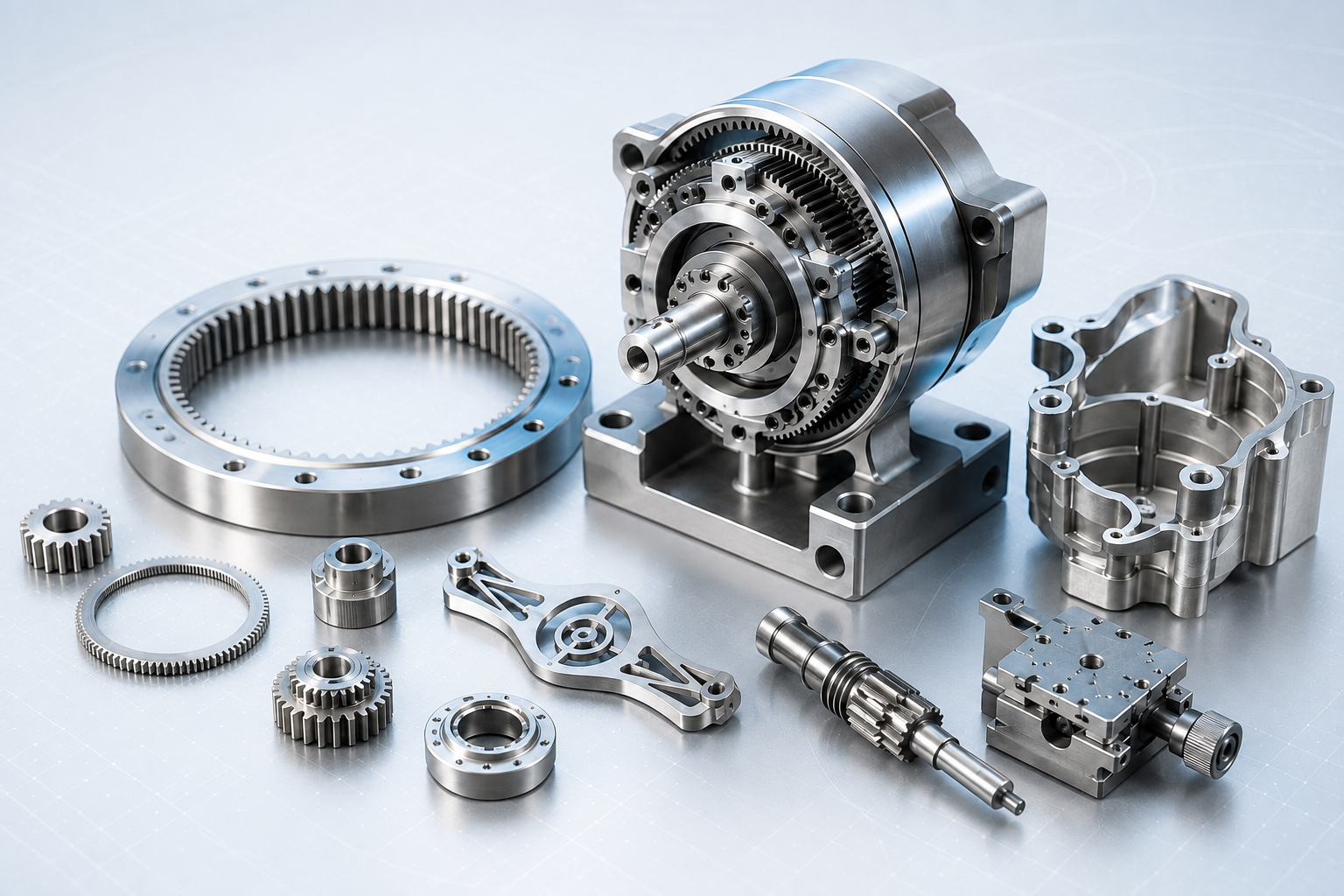
Amorphous alloys (metallic glasses), due to their unique disordered atomic structure, exhibit high strength, high elasticity, high hardness, near-net shaping capability, and excellent dimensional stability, making them highly suitable for the production of precision machinery.
Amorphous alloys are not a “better metal,” but a technological path different from traditional crystalline alloys. Their true value in precision machinery is reflected in three aspects:
Precision liberation: Near-net shaping directly achieves assembly-level precision, breaking the limitations of machining on complex microstructures.
The material properties that make amorphous alloys suitable for precision machinery components.
Elastic strain is approximately 2%–2.5%, two to three times that of crystalline alloys.
Elastic deformation · Spring componentsHardness can reach 550–700 HV, providing excellent wear resistance and resistance to plastic deformation.
Wear resistance · Deformation resistancePrecision die casting enables the one-step formation of complex microstructures within the supercooled liquid region.
Complex microstructures · One-step formingThe absence of grain boundaries and a low thermal expansion coefficient help maintain dimensional stability during long-term use.
Low thermal expansion · Long-term stabilityNo intergranular corrosion and extremely low magnetic permeability make the material suitable for clean and sensitive environments.
Corrosion resistance · Sensitive environmentsSurface roughness after forming can reach Ra ≤ 0.1 μm, reducing post-processing requirements.
Ra ≤ 0.1 μm surface · Reduced post-processingFive material-property combinations illustrate how amorphous alloys improve the performance, precision and environmental adaptability of mechanical components.
Higher elastic energy storage, allowing a larger range of deformation without failure.
Almost no creep under long-term cyclic loads, maintaining initial preload and backlash.
Wall thickness can be reduced, achieving higher torque density and miniaturization.
Representative products: micro harmonic flexible wheels, precision vibration isolation gaskets, flexible guides for lithography machines.
High hardness significantly reduces adhesive wear and abrasive wear.
Some amorphous alloys have self-lubricating properties, reducing dependence on lubricants.
They maintain low friction and low wear even in low-oil or oil-free environments, making them suitable for cleanroom or vacuum environments.
Representative products: micro planetary gears, precision ball screw pairs, bearings for cleanrooms.
One-time casting achieves micron-level precision (±5–10μm), greatly reducing post-processing
Avoids residual stress and deformation caused by cutting
Surface roughness Ra ≤ 0.1μm, can be used directly as mating or sealing surfaces
Suitable for large-scale, low-cost production of micro-precision parts
Representative products: MEMS transmission components, micro-pump valve cores, optical focusing rings, minimally invasive surgical instrument joints.
No grain boundaries mean no microstructural evolution, ensuring long-term dimensional stability.
The thermal expansion coefficient is close to that of low-expansion alloys, resulting in minimal deformation over a wide temperature range.
Accuracy does not drift over time due to stress relaxation.
Representative products: LiDAR rotating structural components, precision displacement stage bases, inertial measurement unit housings.
Extremely low magnetic permeability (μr≈1.001), does not interfere with electromagnetic fields
No grain boundaries, no pitting or intergranular corrosion, resistant to salt spray and acids/alkalis
Can operate long-term in deionized water and chemical solutions
Representative products: MR-compatible robotic arm components, deep-sea actuator drive parts, precision guides for wet cleaning equipment.
This table compares the limitations of traditional materials with amorphous alloy advantages and their practical effects across key precision mechanical products.
| Product Categories | Defects of traditional materials | Advantages of Amorphous Alloys | Effect |
|---|---|---|---|
| Micro Gears (Module <0.5) | Difficult hobbing, easy wear, poor dimensional consistency | Precision die-cast in one piece, gear surface finish Ra ≤ 0.1 μm | No post-processing needed, transmission noise reduced, wear life increased by 2–3 times |
| Harmonic Drive Flexspline | Fatigue fracture, high machining cost | High elastic limit, wall thickness reduced by 20%, near-net shaping | Torque density increased, fatigue life improved |
| Precision Bearing Cage | Wear produces particles, strong lubrication dependence | Self-lubricating + high hardness, reduces particle generation | Suitable for vacuum/clean environments, maintenance interval extended |
| Micro Springs/Elastic Components | Stress relaxation, plastic creep | High elastic limit, no permanent deformation | Long-term maintenance of preload, improving repeat positioning accuracy |
| Precision Measuring Guide Rails | Wear causes accuracy decline | High hardness + corrosion resistance, smooth surface | Long-term stability improved, adapting to harsh environments |
This comparison highlights the mechanical, forming, corrosion and dimensional stability characteristics that influence material selection for precision mechanical components.
| Performance Indicators | Amorphous Alloy (Zr/Cu base) | Stainless Steel 304 | Powder Metallurgy Steel | Beryllium Copper |
|---|---|---|---|---|
| Elastic Limit | 2%~2.5% | 0.70% | 0.80% | 1.20% |
| Hardness (HV) | 550~700 | 200~250 | 300~450 | 200~400 |
| Forming Accuracy | ±5~10 μm (as-cast) | Requires machining | ±30μm after sintering | Machining |
| Minimum Feature Size | 0.05 mm | >0.2mm | >0.3mm | >0.15mm |
| Corrosion Resistance | Excellent, no intergranular corrosion | Good, some risk of corrosion | General | General |
| Magnetic Permeability | Nearly non-magnetic | Weak magnetism | Magnetic | Non-magnetic |
| Long-term Dimensional Stability | Outstanding | Average | General | Good |
Amorphous alloys are not a “better metal,” but a technological path different from traditional crystalline alloys. Their true value in precision machinery is reflected in three aspects:
1. Precision liberation: Near-net shaping directly achieves assembly-level precision, breaking the limitations of machining on complex microstructures.
2. Performance leap: The combination of high elasticity and high hardness resolves the dilemma of traditional materials being “either hard and brittle or tough and soft.”
3. Environmental adaptability: Non-magnetic, corrosion-resistant, and dimensionally stable, making them the preferred solution in scenarios where traditional metals struggle (clean environments, magnetic fields, corrosion, wide temperature ranges).
Our role is to help precision machinery engineers and manufacturers identify where amorphous alloys can improve dimensional stability, elastic performance, wear resistance and microstructure formability—and where conventional materials remain the better choice.
About Amorphous AlloysLong-term focus on amorphous alloy research, development and precision manufacturing.
Material evaluation based on dimensional accuracy, elastic limit, hardness, wear resistance and operating conditions.
Supporting alloy selection, structural optimization, mold development, near-net-shape forming and production coordination.
Supporting precision machinery manufacturers with engineering communication and production solutions worldwide.
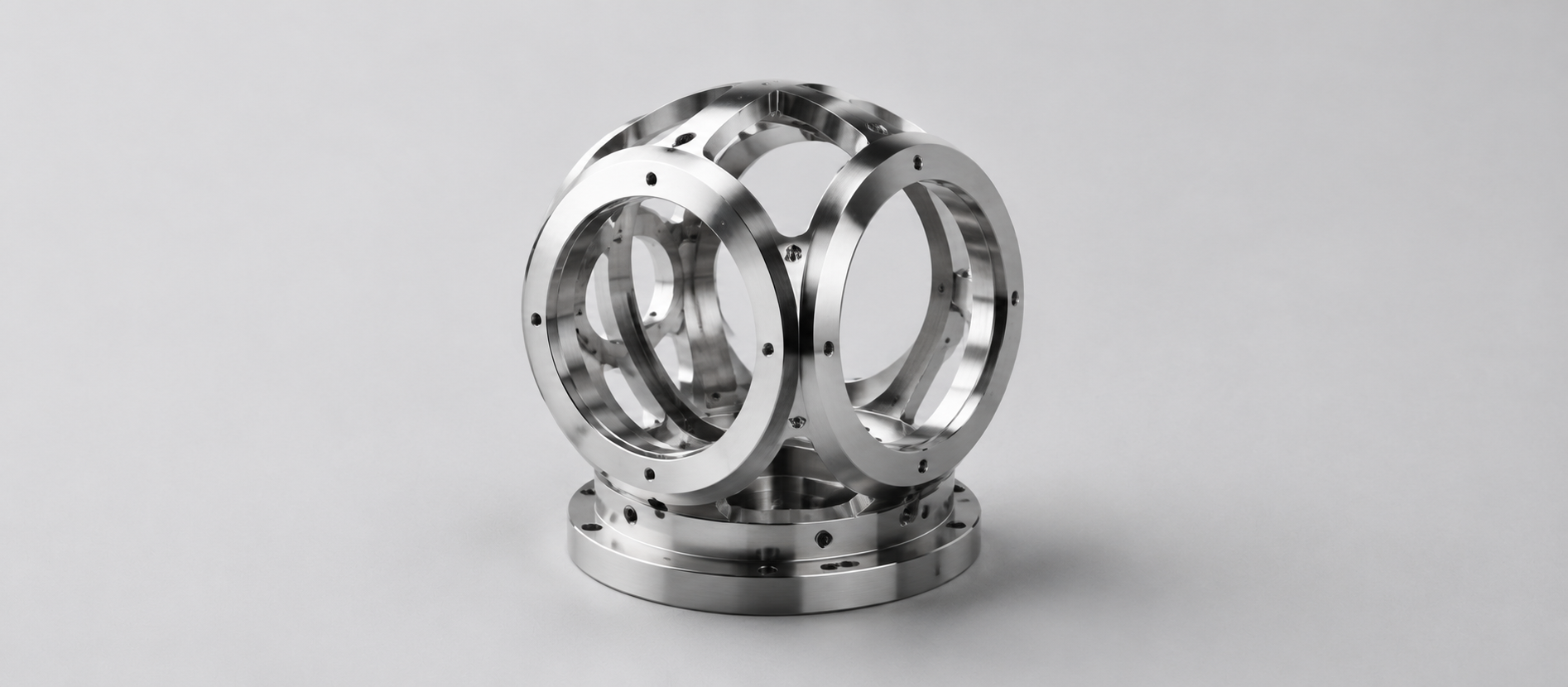
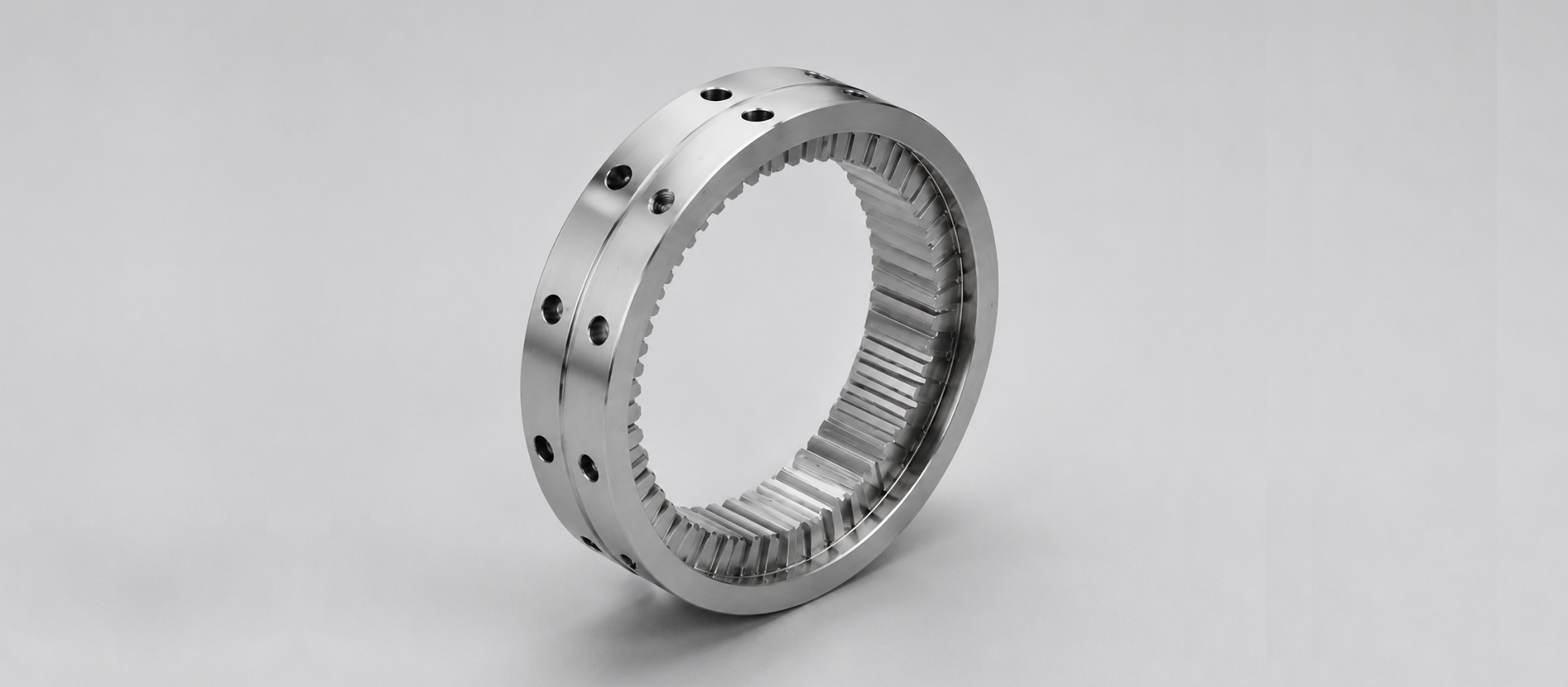
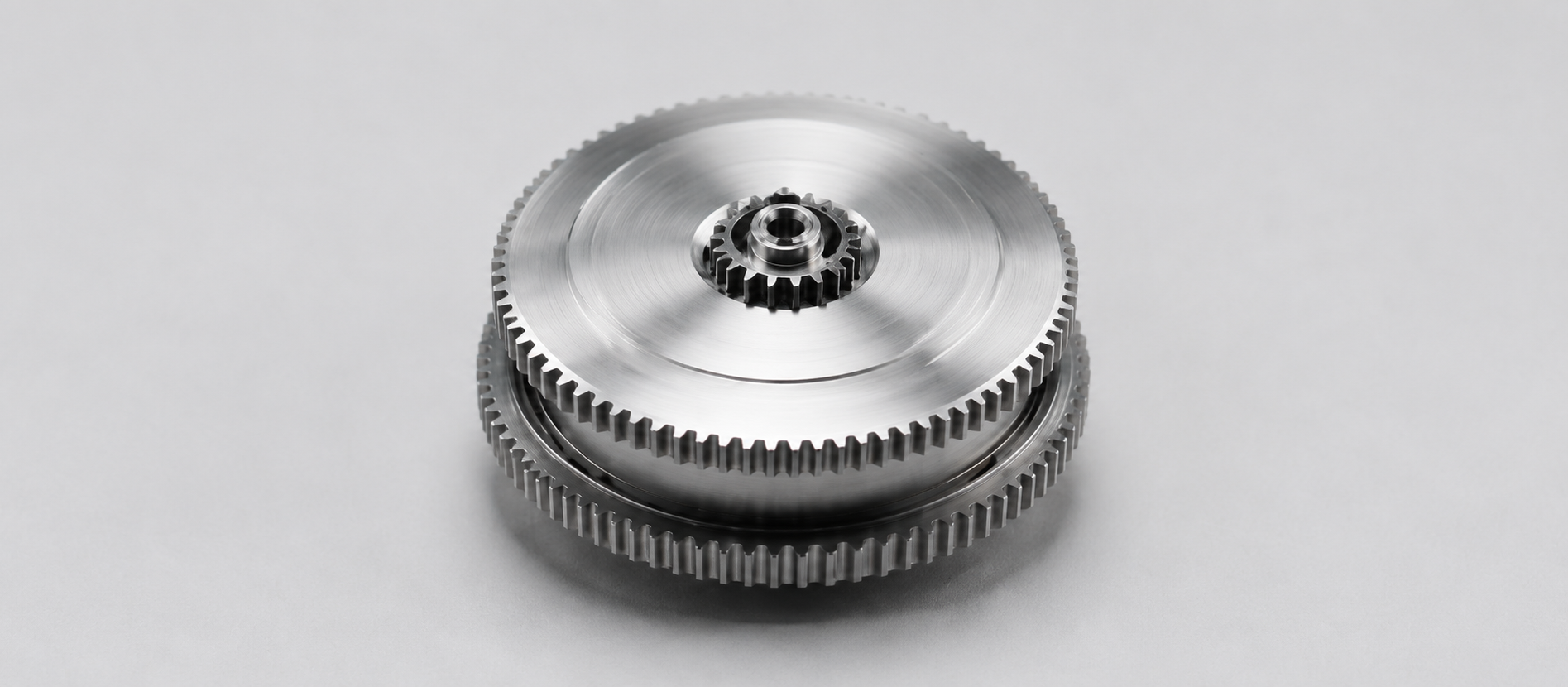
Amorphous alloys can be applied in the following precision machinery application directions and products:
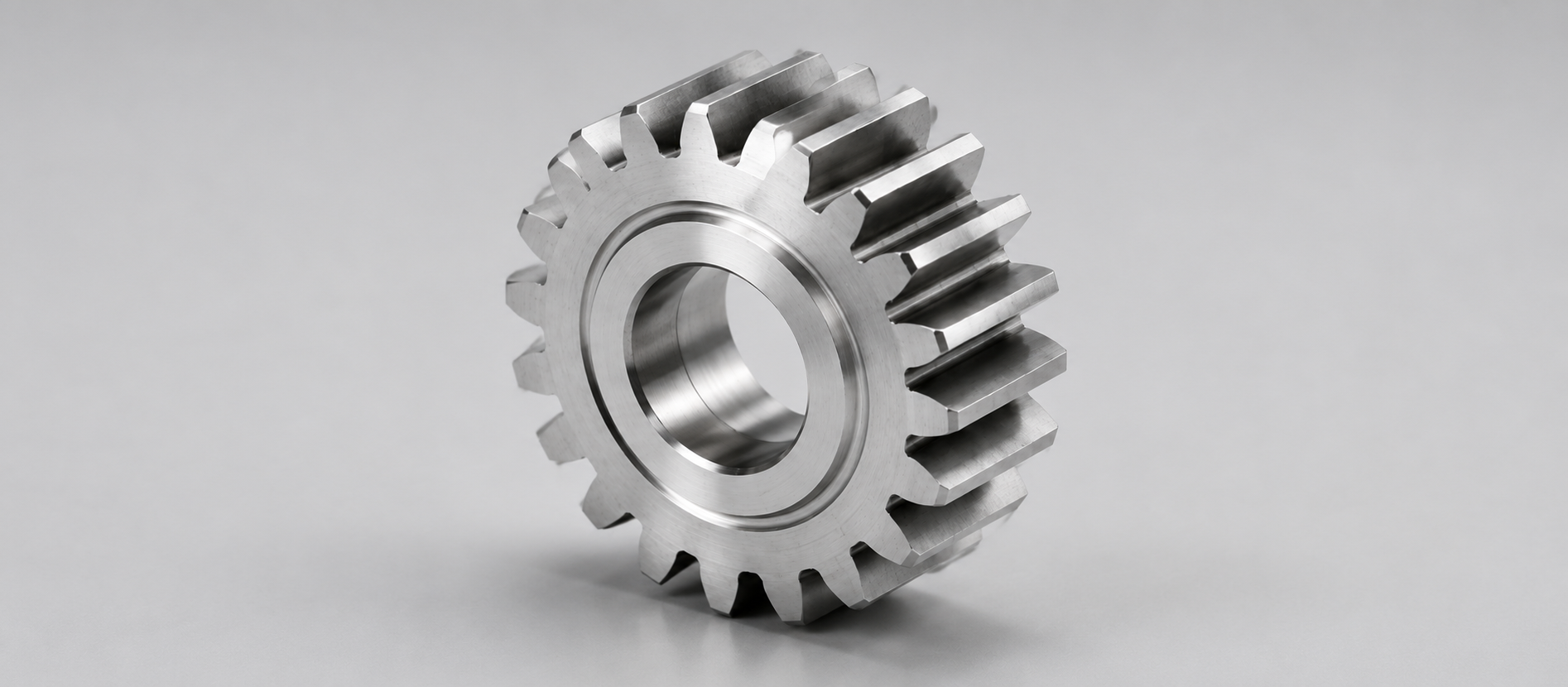
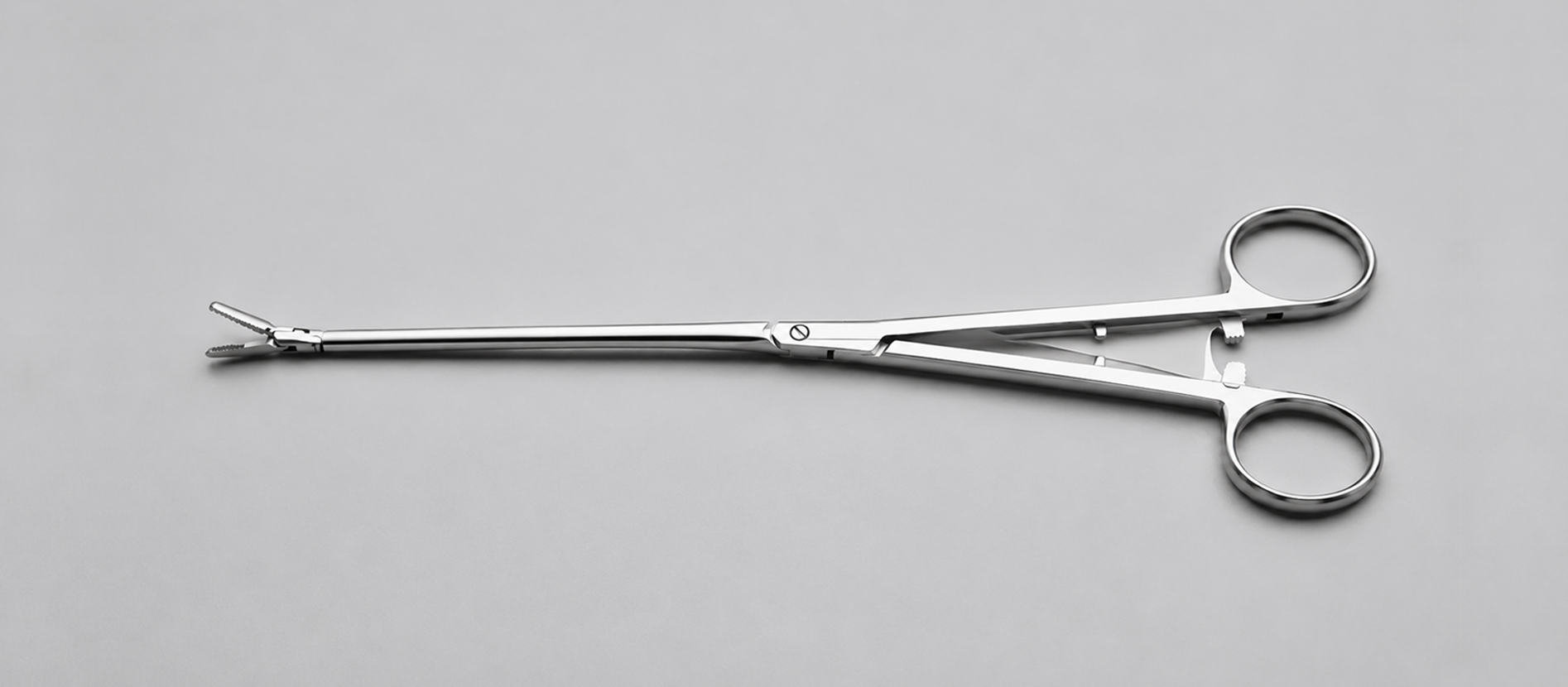
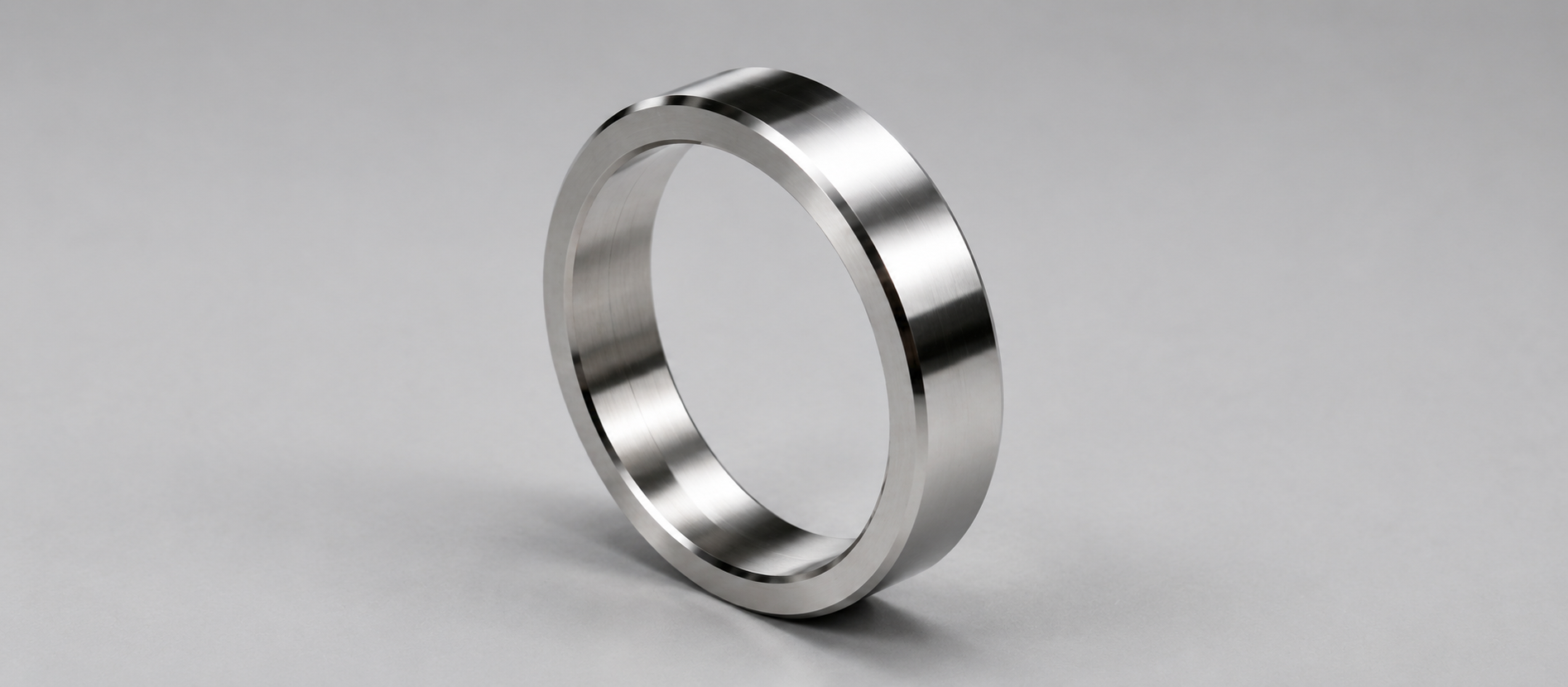
These concise answers help precision machinery engineers, designers and sourcing teams understand where amorphous alloys can create value in high-accuracy mechanical applications.
Ask a Technical QuestionAmorphous alloys, also called metallic glasses, provide a combination of high elastic limit, high hardness, wear resistance, dimensional stability, corrosion resistance and near-net-shape forming capability. These properties support accurate, durable and compact precision mechanical components.
Potential applications include micro gears, harmonic drive flexsplines, precision bearing cages, elastic components, micro-pump valve cores, optical focusing rings, gyroscope housings, positioning components, clean transmission parts and other complex microstructured components.
Amorphous alloys are not a universal replacement for traditional materials. Material selection depends on dimensional accuracy, mechanical loading, elastic requirements, wear conditions, operating environment, component geometry, production volume and cost targets. Amorphous Alloys evaluates each application according to its engineering requirements.
Their high hardness and near-net-shape forming capability can support complex gear geometry, fine features and smooth surfaces with reduced machining. Their wear resistance also helps preserve tooth geometry, transmission accuracy and low backlash during long-term operation.
Their non-crystalline structure has no grain boundaries, helping reduce microstructural evolution and dimensional drift. Selected amorphous alloy systems also provide low thermal expansion and good resistance to stress relaxation, supporting long-term dimensional stability in precision components.
Yes. Amorphous Alloys supports application evaluation, alloy selection, structural optimization, mold development, near-net-shape forming, prototype validation, dimensional inspection and production planning for customized precision mechanical components.
Recommended information includes component drawings or 3D models, dimensional tolerances, surface requirements, loading conditions, operating temperature, magnetic or corrosion constraints, production volume and quality expectations. These inputs help determine the most suitable amorphous alloy and manufacturing solution.
Share your component design, performance objectives, operating conditions, production requirements and quality expectations. Our engineering team can evaluate amorphous alloy suitability, process feasibility and support the transition from prototype development to stable production.