High Hardness and Scratch Resistance
550–700 HV, much higher than stainless steel and aluminum.
Scratch-resistant casing · Stays like new for a long timeConsumer electronics manufacturers are under constant pressure to create thinner, lighter and more durable products without compromising appearance or precision.
Amorphous alloy technology enables complex, tightly integrated components for hinges, frames, camera rings and other high-value parts—helping product teams improve reliability, use internal space more efficiently and deliver a refined premium finish.
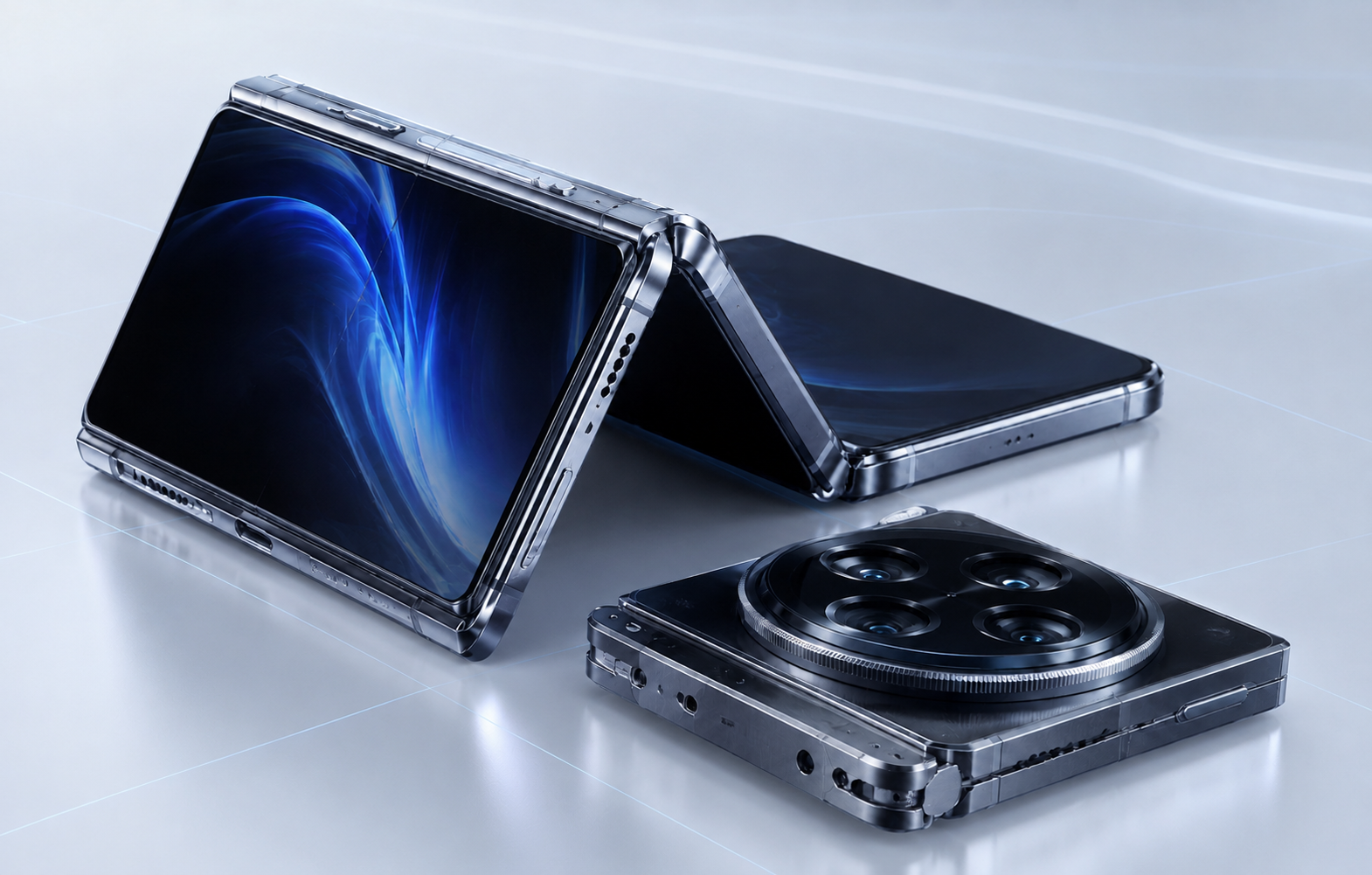
Amorphous alloys (metallic glass), with their high hardness, high elasticity, non-magnetic properties, near-net shaping capability, and unique metallic luster, are becoming the new generation choice for high-end consumer electronic structural components and precision internal parts.
Competition in consumer electronics is increasingly focusing on 'appearance texture, structural reliability, and internal space utilization.' Traditional stainless steel and aluminum alloys are gradually approaching the limit between strength and lightweight design, while magnesium alloys, though advantageous in weight, are prone to corrosion and difficult to process.
Amorphous alloy parts for durable and lightweight consumer electronics.
The core advantages and characteristics of amorphous alloys in consumer electronic products.
550–700 HV, much higher than stainless steel and aluminum.
Scratch-resistant casing · Stays like new for a long timeElastic strain 2%–2.5%.
Drop energy absorption · Elastic hingeExtremely low magnetic permeability (μr≈1.001)
Does not interfere with wireless charging/NFC/magnetic sensors.Can exhibit a luster and warm feel similar to liquid metal
Premium touch · Distinctive appearancePrecision die-casting forms complex thin-wall structures in one go.
Integrated internal bracket · Reduces screwsNo grain boundaries, resistant to sweat and salt spray
Does not discolor with long-term skin contactStrength-to-density ratio better than stainless steel
Lightweight · SturdyNo stress relief, maintains shape over time
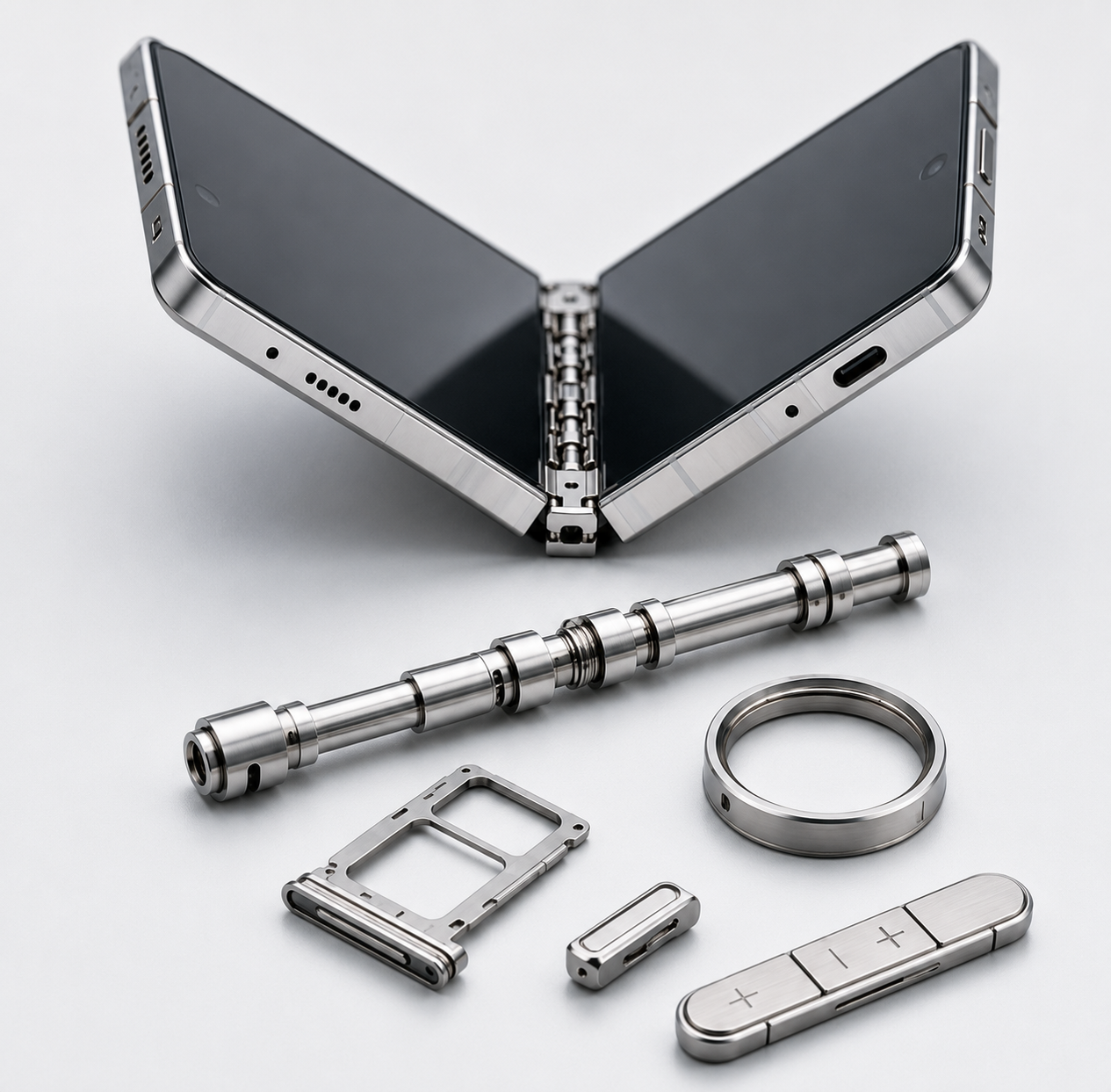
Precision fitting parts do not loosenFive application groups show how amorphous-alloy properties translate into product performance, structural design, and manufacturing advantages across consumer electronics.
| Advantages of Amorphous Alloys | Application forms | Product Advantages |
|---|---|---|
| High hardness, scratch resistance | Middle frame and button surfaces | The bare device is not easily scratched and maintains a high-gloss finish over time |
| Non-magnetic | Middle frame/decorative ring does not interfere with magnetic sensor | Does not affect the electronic compass, Hall sensor, or wireless charging efficiency |
| High elastic limit | Core elastic components of foldable screen hinge | Maintains consistent torque even after repeated folding |
| Near-net shaping | SIM card tray and buttons are integrally cast in one piece | Micron-level fit accuracy, no burrs, consistent hand feel |
| Corrosion resistance to sweat | Does not oxidize or discolor after long-term contact with hand sweat | Superior to aluminum alloy in avoiding anodized layer peeling issues |
| Advantages of Amorphous Alloys | Form of Application | Product Advantages |
|---|---|---|
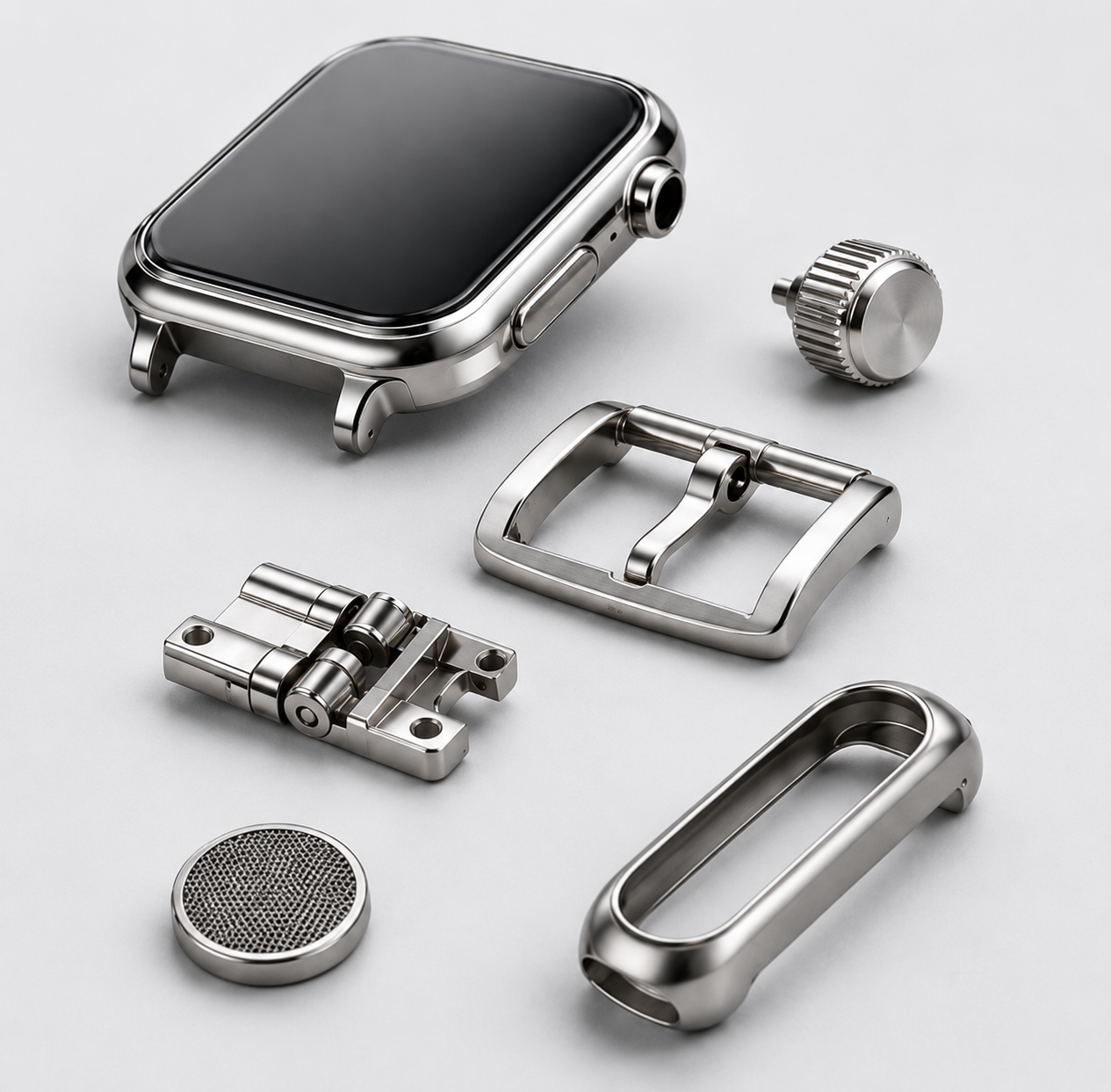
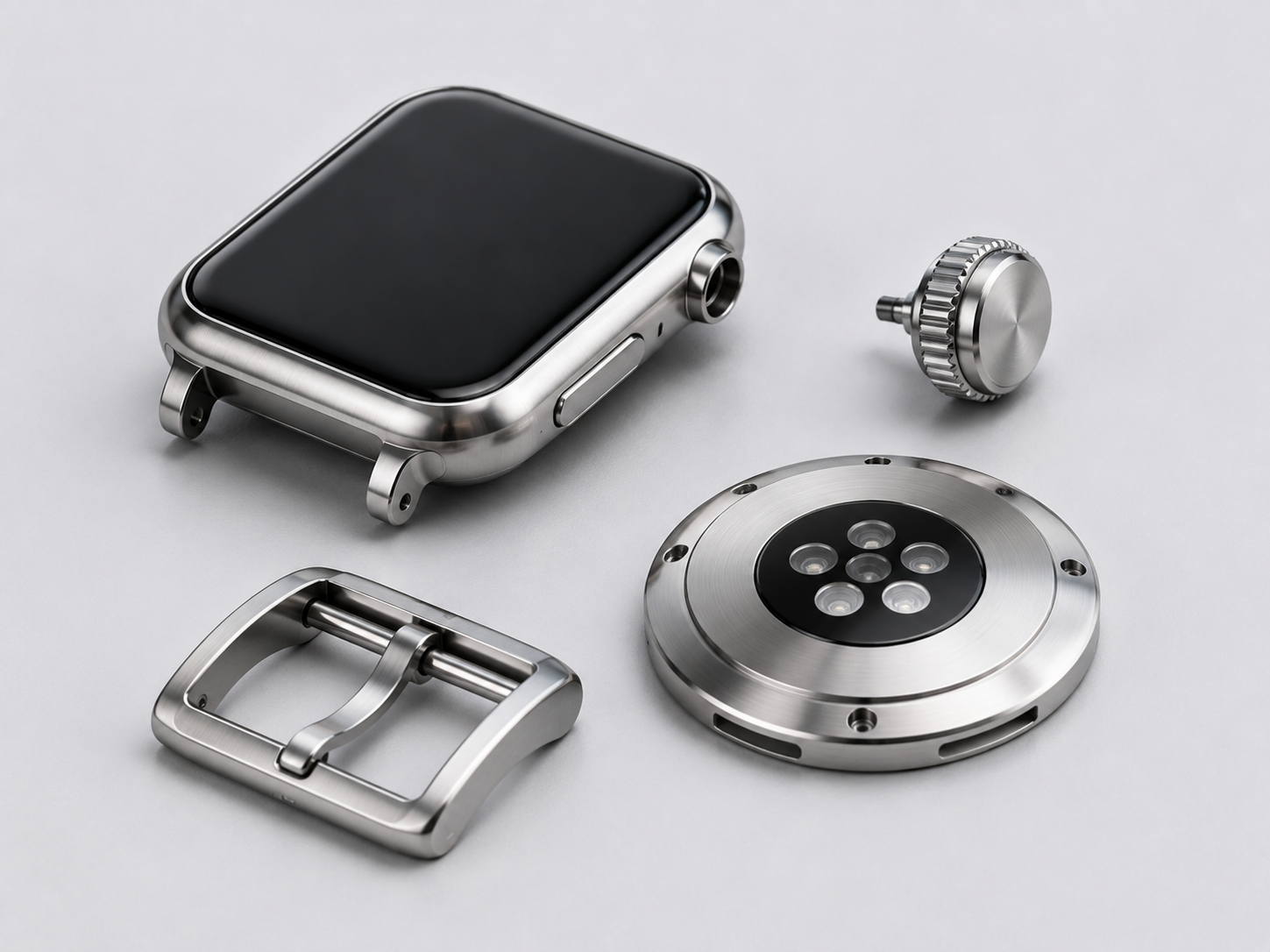
| High hardness, scratch resistant | Exposed surfaces of the watch case and buckle | Daily wear is not easy to scratch, stays like new for a long time |
| Excellent surface texture | Can be polished to a high-gloss mirror or sandblasted matte | Presents a unique metallic luster, enhances a high-end feel |
| Corrosion resistant to sweat | Resistant to corrosion from skin contact and sweat | No green rust, No discoloration, suitable for all-day wear |
| Non-magnetic | Does not interfere with heart rate/blood oxygen/magnetic charging | Sensor accuracy is not affected |
| High specific strength | The thin watch case still maintains rigidity | Reduces the overall weight of the device |
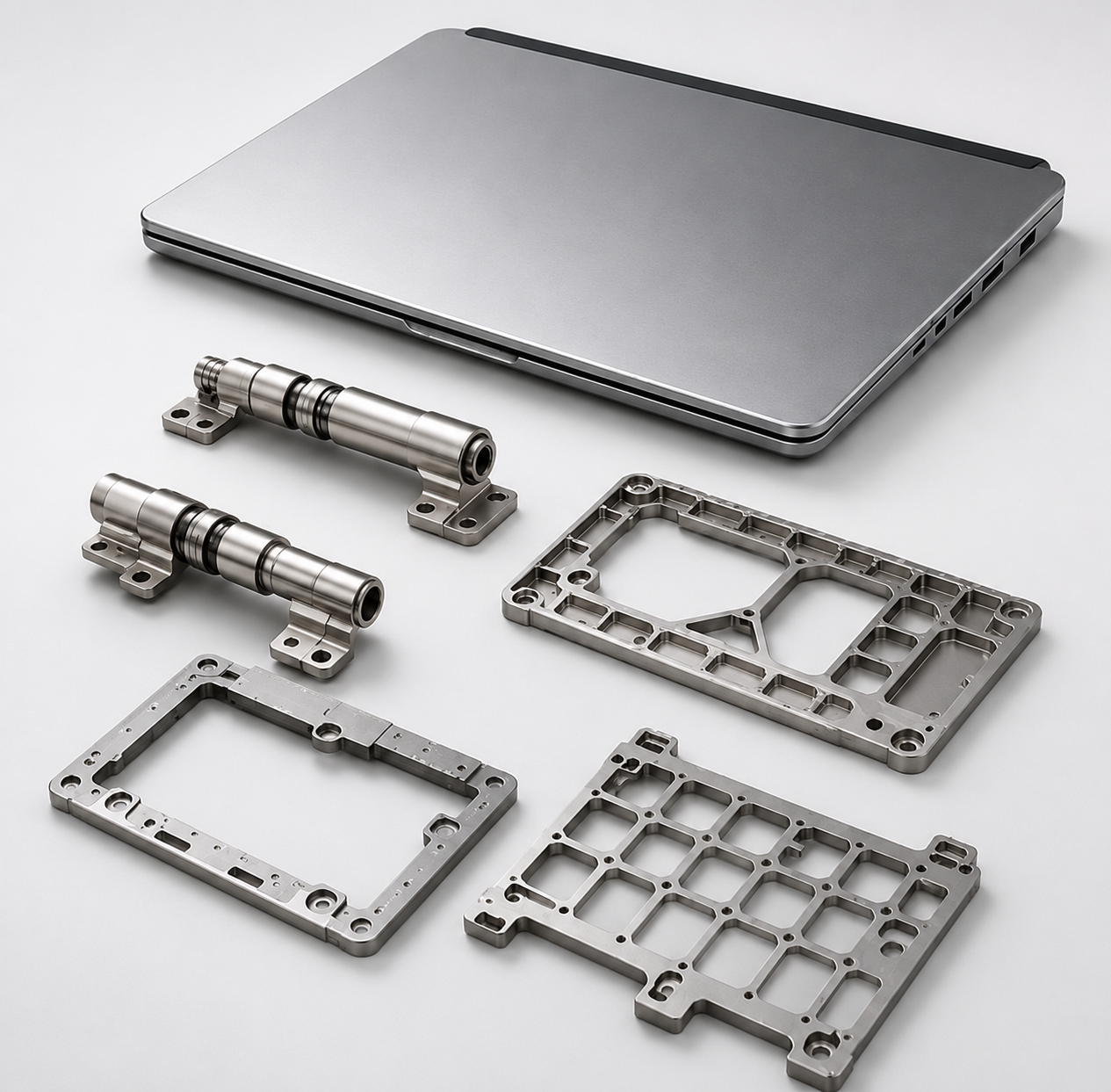
| Advantages of Amorphous Alloys | Application Form | Product Advantages |
|---|---|---|
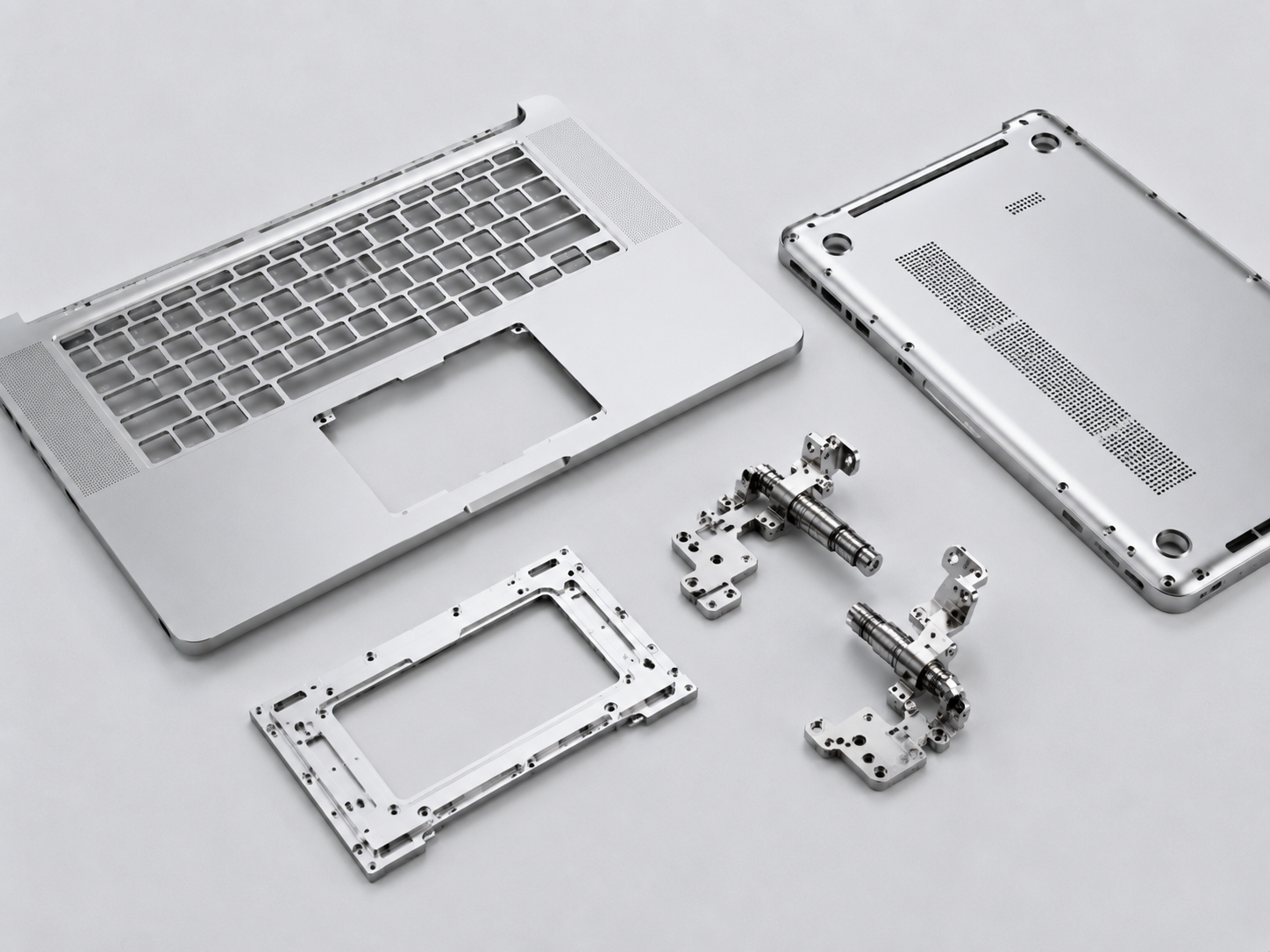
| High Specific Strength | Lightweight shell resists bending and deformation | Thinner body still maintains rigidity |
| High Elastic Limit | Hinge shaft with elastic deformation zone | Consistent damping over long-term opening and closing |
| Near Net Shaping | Internally integrated complex reinforcement ribs | Reduces stamping and riveting processes, improving yield |
| Dimensional Stability | Maintains shape after long-term use | Maintains uniform gap between screen and keyboard |
| Scratch Resistance | Shell surface is wear-resistant | Resistant to leaving marks during business trips |
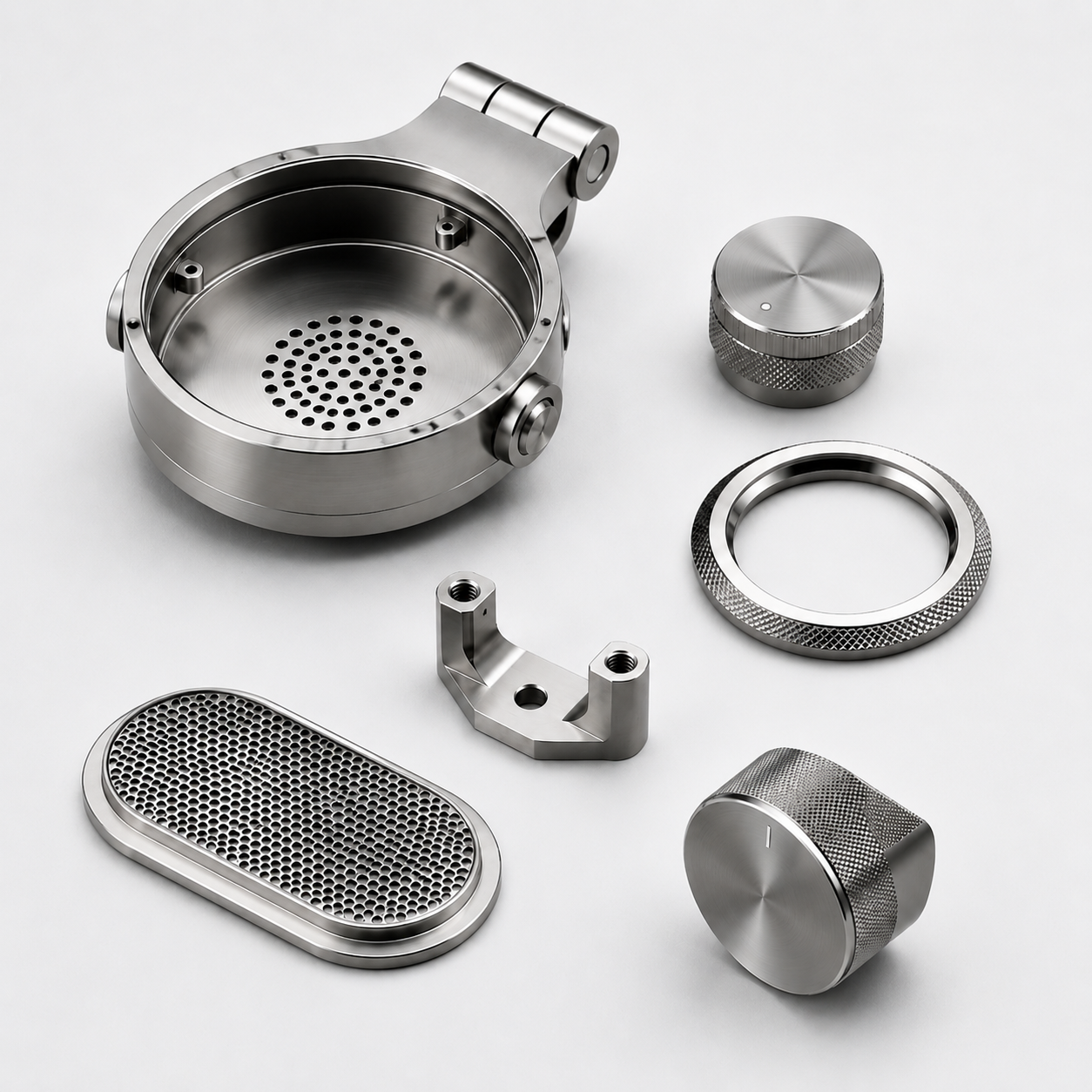
| Advantages of Amorphous Alloys | Application forms | Product Advantages |
|---|---|---|
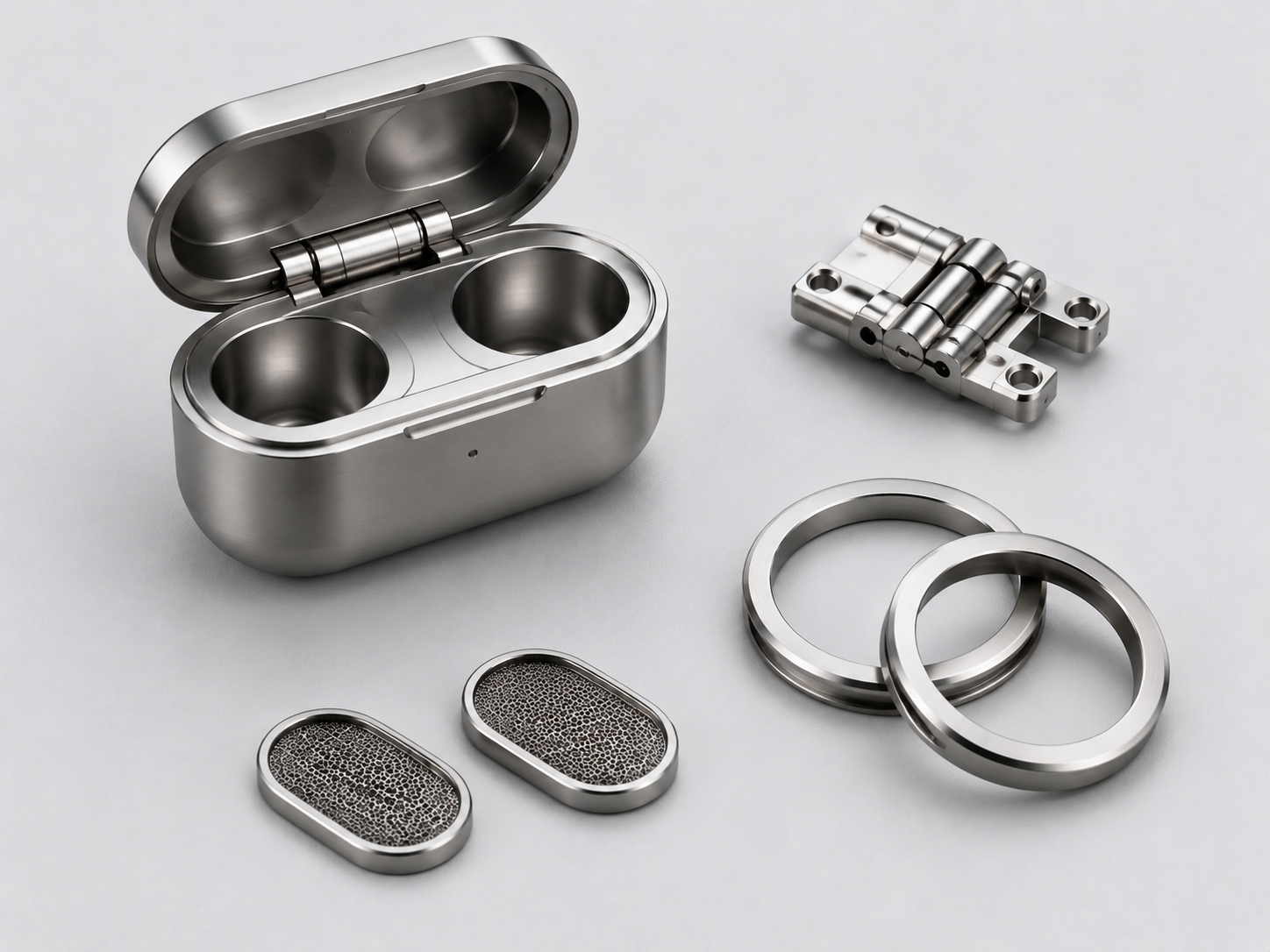
| High density, high rigidity | Headphone cavity suppresses resonance | Reduces cavity resonance, enhances sound purity |
| Excellent surface texture | Decorative ring/knob with glossy texture | Enhances the product's visual and tactile sense of premium quality |
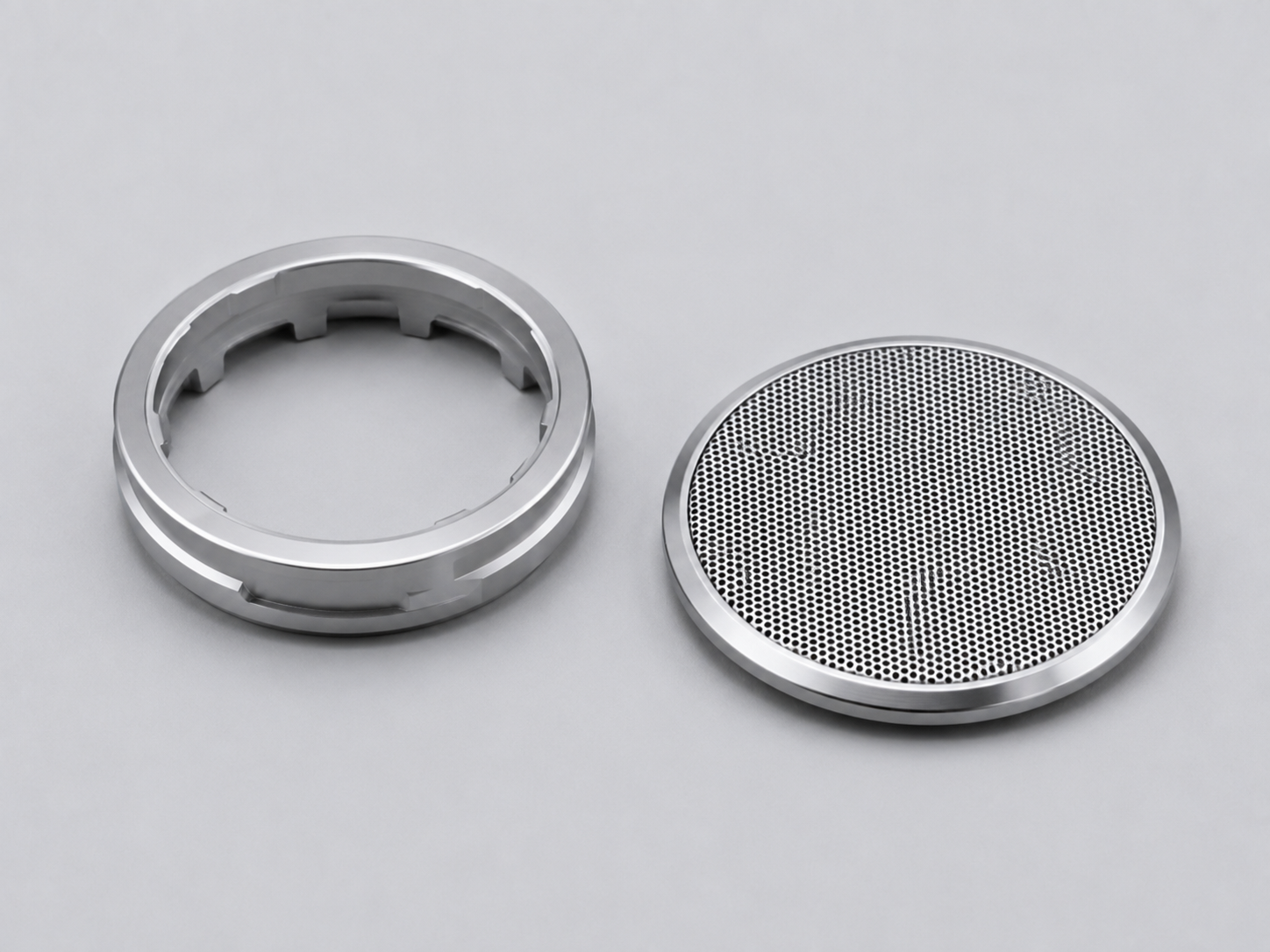
| Near-net shaping | Mesh cover with micro-hole array formed in one piece | Good aperture consistency, stable acoustic performance |
| Non-magnetic | Does not interfere with dynamic/moving iron unit magnetic field | Prevents sound quality deterioration |
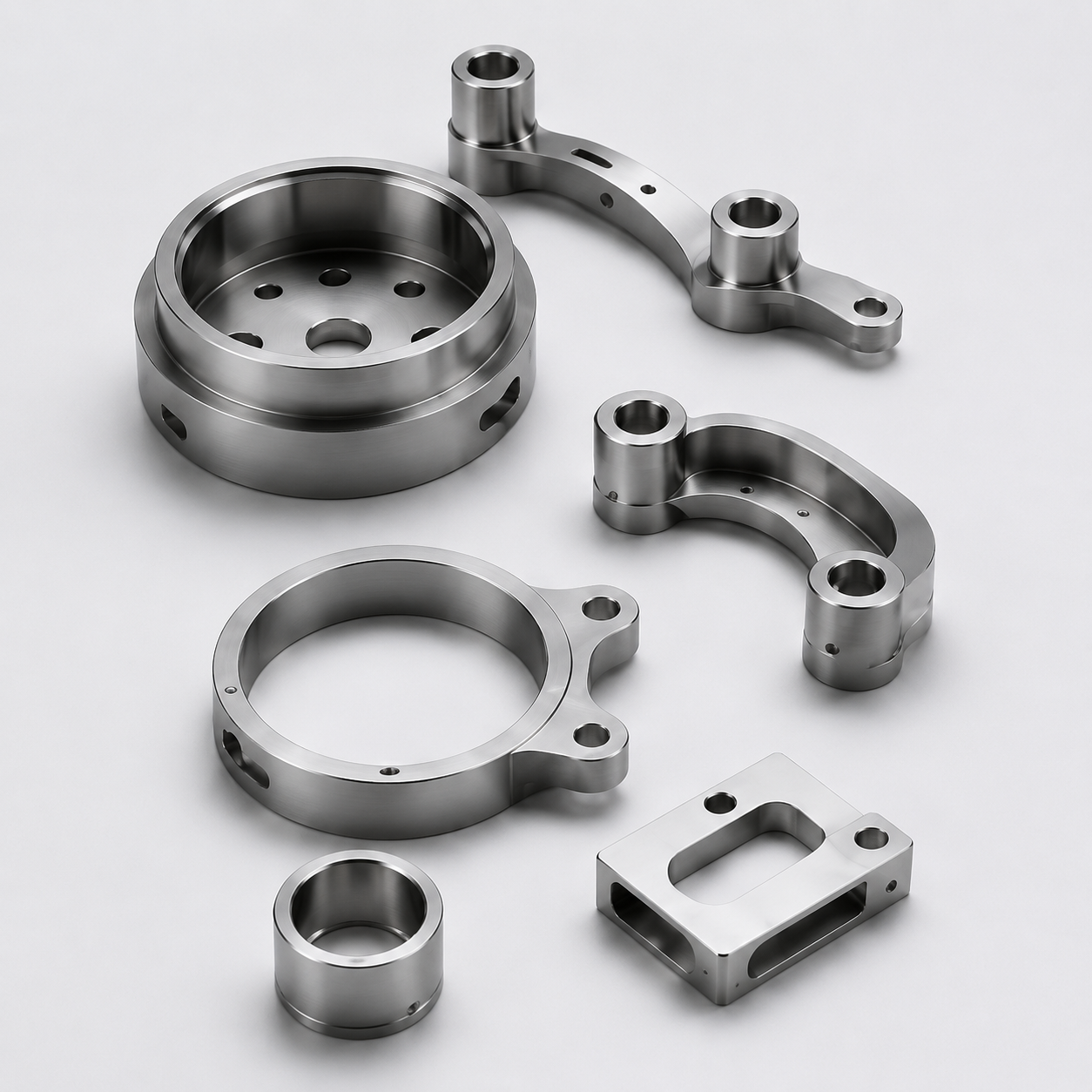
| Advantages of Amorphous Alloys | Application Form | Product Advantages |
|---|---|---|
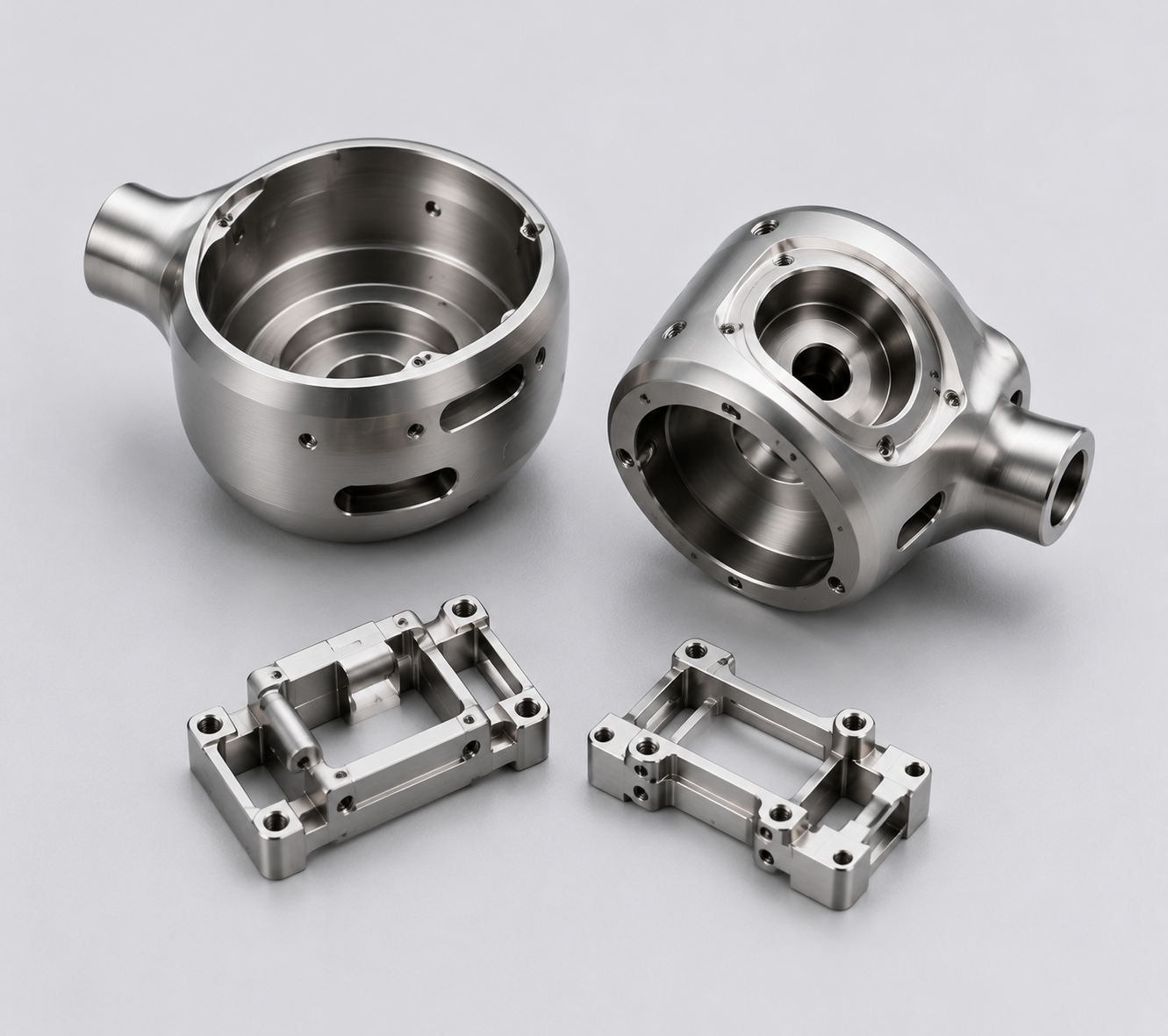
| High specific strength | The gimbal bracket maintains rigidity while being lightweight | Increases torsional stiffness, reduces vibration |
| Non-magnetic | The motor housing does not interfere with the magnetic field | Does not affect the commutation accuracy of the brushless motor |
| High hardness | The propeller fixed seat is wear-resistant | Long-term use does not increase clearance |
| Near-net shape forming | Complex cooling fins are integrally formed | Improves heat dissipation efficiency |
This table compares traditional material limitations with amorphous alloy solutions and their functional advantages across key consumer electronics applications.
| Product Categories | Traditional Materials | Main Defects of Traditional Materials | Amorphous Alloy Solutions | Core Advantages |
|---|---|---|---|---|
| Mobile Phone Middle Frame | Aluminum Alloy/Stainless Steel | Stainless steel is heavy, aluminum alloy is easily scratched | Amorphous Alloy Frame | Lightweight and thin, scratch-resistant, non-magnetic |
| Foldable Screen Hinge | Stainless Steel Powder Metallurgy | Insufficient elasticity, magnetic interference | Amorphous Alloy Elastic Components | Ultra-thin and flexible, non-magnetic |
| Smartwatch Case | Aluminum Alloy/Stainless Steel/Ceramic | Aluminum alloy is not scratch-resistant, ceramics are fragile | Amorphous Alloy Case | High gloss and scratch-resistant, tough, non-magnetic |
| TWS Earphone Hinge | Stainless Steel Stamping | Poor tactile consistency | Amorphous Alloy Hinge | Stable torque, long lifespan |
| Earphone Cavity | Aluminum Alloy/Resin | Poor resonance control | Amorphous Alloy Cavity | High rigidity to suppress resonance |
| Drone Motor Housing | Aluminum Alloy | Magnetic interference, insufficient strength | Amorphous Alloy Motor Housing | Non-magnetic, high rigidity |
Technical performance is alloy- and process-specific. Published or project values should not be treated as universal without material verification and component-level testing.
This comparison highlights the mechanical, surface, forming and durability characteristics that influence material selection for consumer electronics components.
| Performance Indicators | Amorphous Alloy (Zr-based) | Stainless Steel 304 | 6063 Aluminum Alloy | Magnesium Alloy AZ91D | Ceramics |
|---|---|---|---|---|---|
| Hardness (HV) | 550~650 | 200 | 60 | 70 | 1200 |
| Scratch Resistance | Excellent | General | Poor | Poor | Excellent but brittle |
| Impact Resistance | Good | Excellent | Good | Average | Poor |
| Density (g/cm³) | 6.7 | 7.9 | 2.7 | 1.8 | 3.9 |
| Non-magnetic | Yes | Weak Magnetism | Yes | Yes | Yes |
| Surface Texture | Polishable/Sandblasting possible | High Gloss/Brushed | Anodized | Coating | Glossy |
| Near-net Shape Forming Capability | Excellent | Poor | Poor | Average | Poor |
| Sweat Corrosion Resistance | Excellent | General | The anodized layer will wear | Poor | Excellent |
In consumer electronics, amorphous alloys fill the gap between traditional materials:
Lighter than stainless steel, non-magnetic, and near-net-shape manufacturable
Harder than aluminum alloys, more scratch-resistant, with a higher-quality surface texture
Tougher than ceramics, not easy to break, and capable of processing into more complex shapes
Its core values can be summarized as:
Make the appearance more durable: high hardness, scratch-resistant, sweat-resistant, and does not show wear easily in daily use.
Make the interior freer: non-magnetic properties do not interfere with antennas, wireless charging, or magnetic sensors, leaving space for stacking designs.
Make the structure more ultimate: high elasticity, near-net shaping, achieving thinner hinges and more complex integrated brackets.
Our role is to help engineering, product-development and sourcing teams determine where amorphous alloys can improve surface durability, structural reliability, magnetic compatibility and manufacturing consistency—and where a conventional material remains the better choice.
About Amorphous AlloysLong-term focus on amorphous alloy research, development and manufacturing.
Structured process control, inspection planning and production consistency.
Application review, alloy selection, thin-wall DFM, mold development, prototyping and production coordination.
Supporting consumer electronics manufacturers and product-development teams across international markets.
Amorphous alloys can be directly used in the following aerospace application directions:
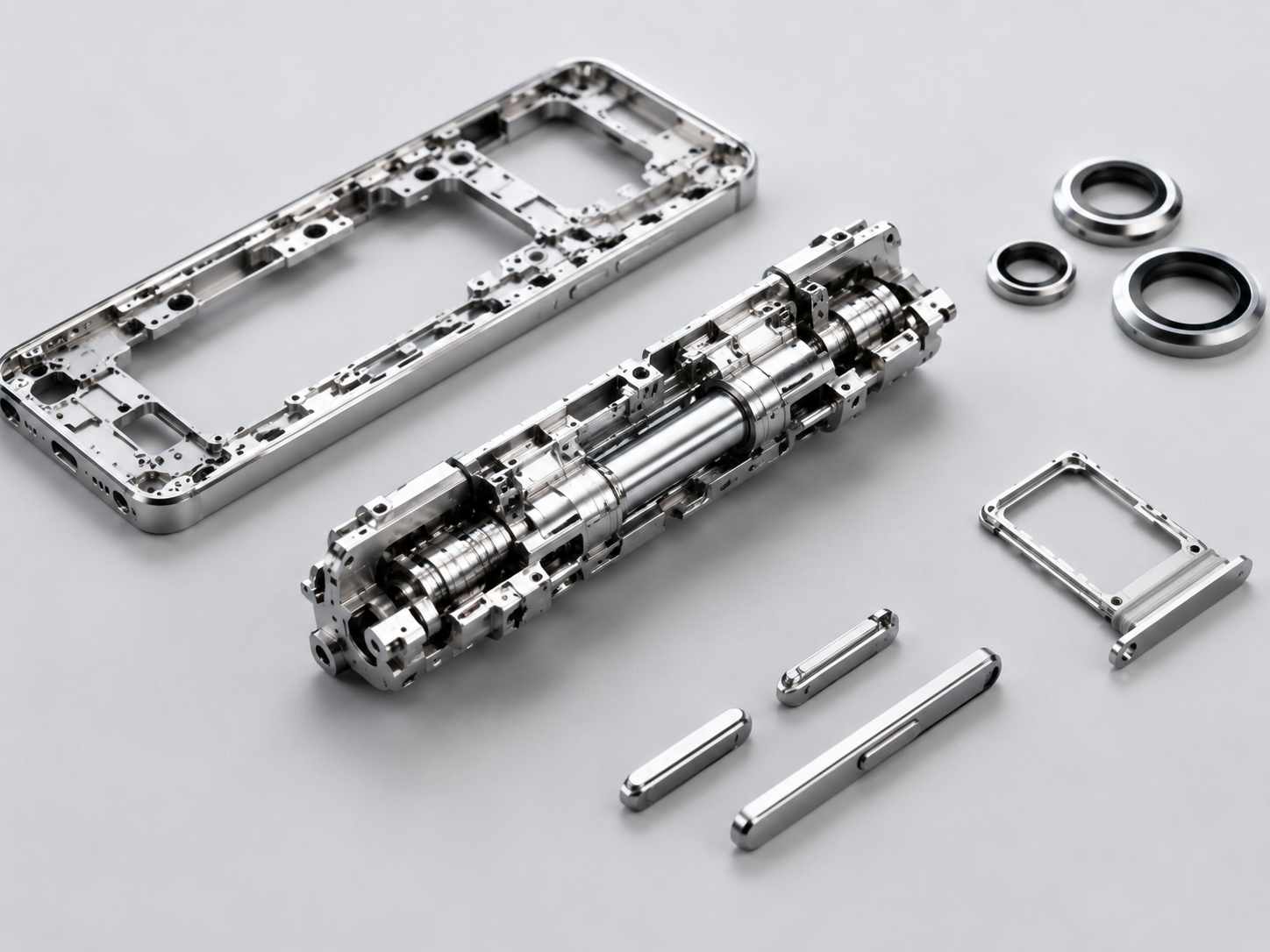
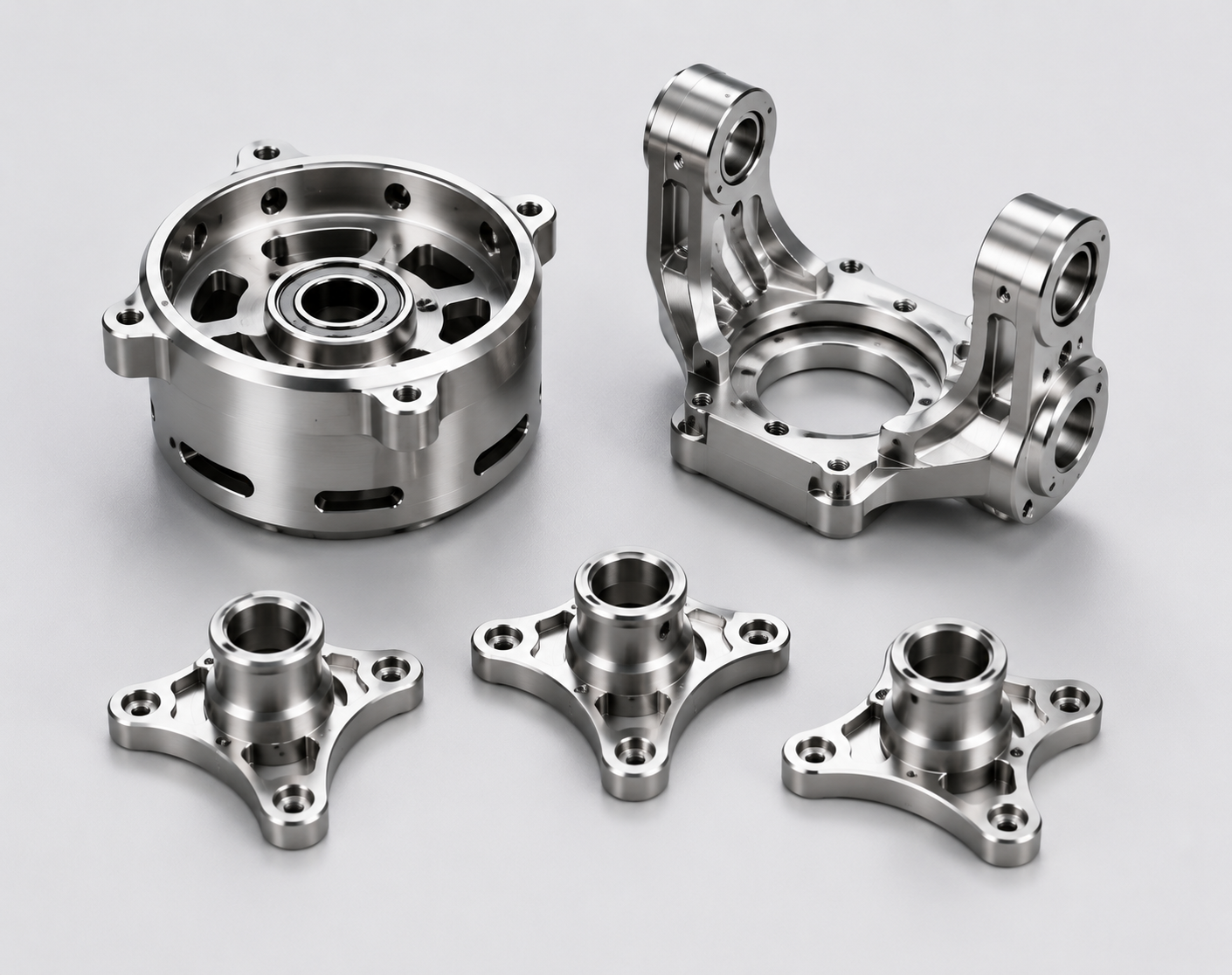
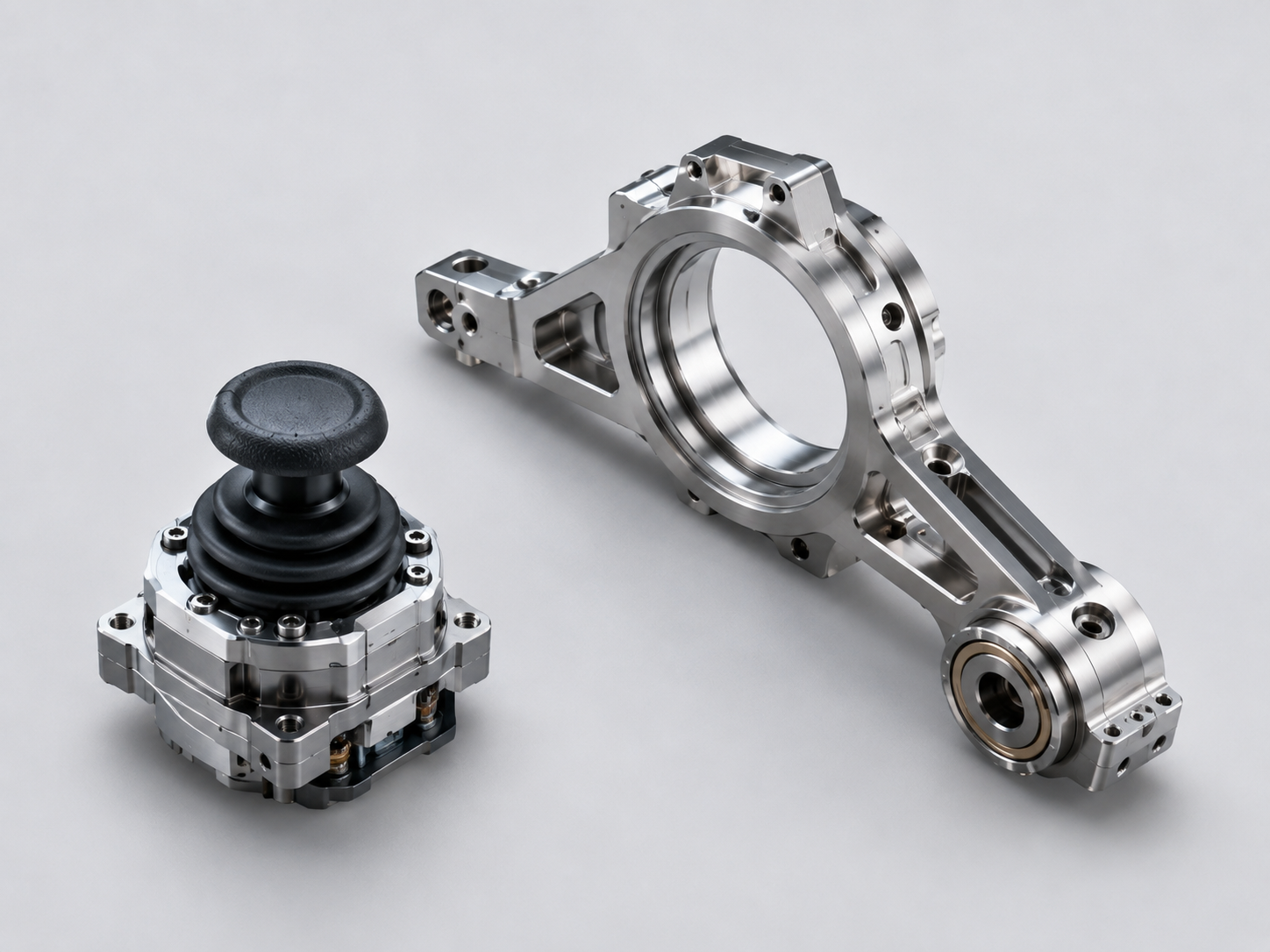
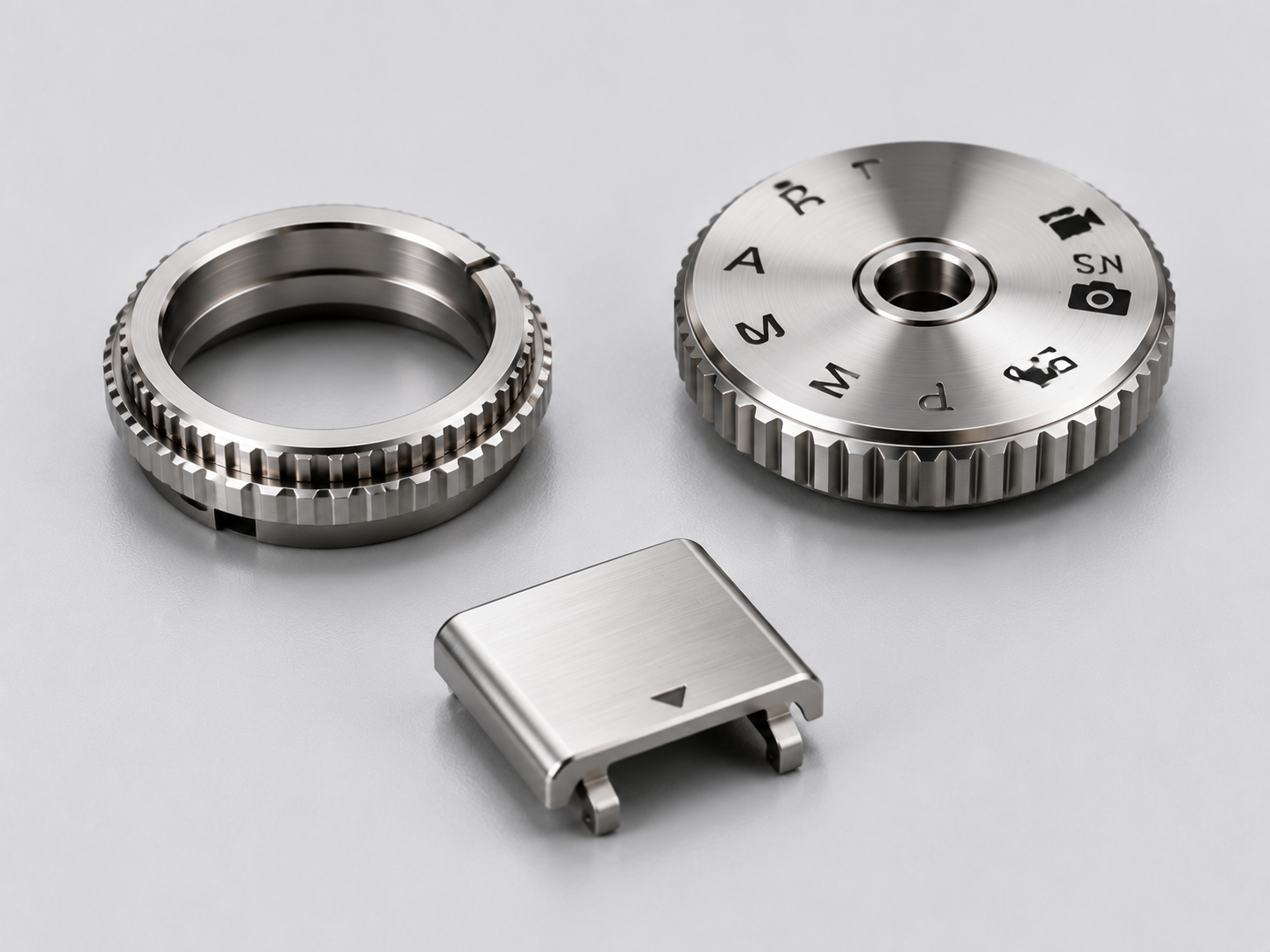
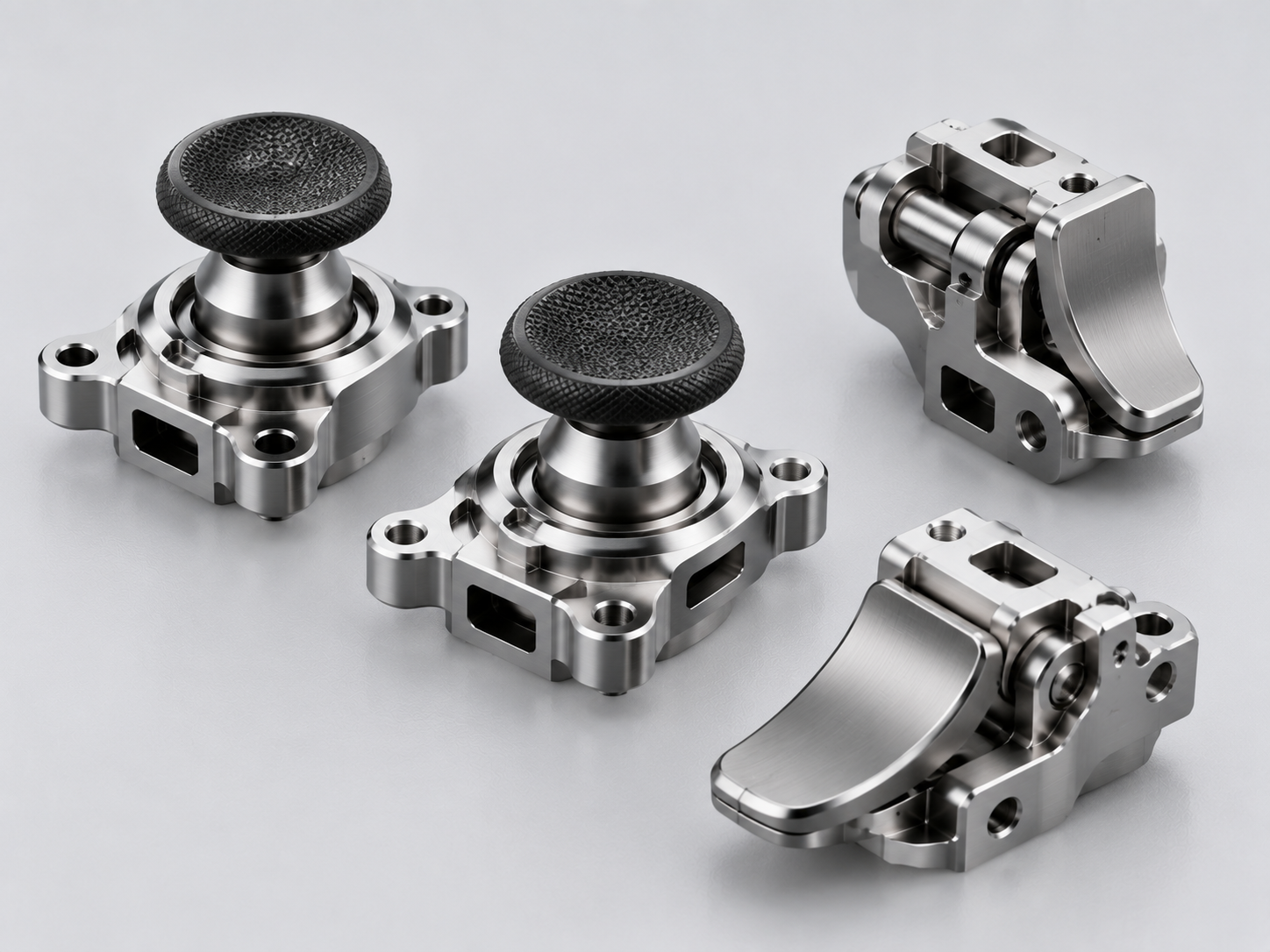
These concise answers help engineers, designers and sourcing teams understand where amorphous alloys can create value in high-end consumer electronic applications.
Ask a Technical QuestionAmorphous alloys, also known as metallic glasses, can provide a combination of high hardness, elastic limit, corrosion resistance, dimensional stability and premium surface quality. These properties make them suitable for precision structural components where thin-wall design, durability and refined appearance are important.
Potential applications include smartphone mid-frames, camera decorative rings, SIM card trays, buttons, foldable hinge core components, smartwatch cases, wearable device parts, laptop housings, hinge assemblies, camera components, gimbal structures and precision audio components.
Amorphous alloys are not a universal replacement for conventional metals. Material selection depends on component size, mechanical requirements, surface finish, production volume, processing method and cost targets. Amorphous Alloys evaluates each application based on engineering requirements and product objectives.
Yes. Selected amorphous alloy systems can achieve high specific strength and excellent elastic performance, enabling thinner structures while maintaining rigidity and reliability. This is especially valuable for foldable devices, wearable products and lightweight precision assemblies.
Yes. Amorphous Alloys can support application evaluation, material selection, structural optimization, mold design, precision forming, prototype development, inspection and production process planning for customized consumer electronic components.
Validation may include dimensional inspection, surface quality evaluation, hardness testing, corrosion resistance testing, fatigue testing, wear evaluation, functional verification and customer-specific reliability requirements. Testing plans are defined according to the final product application.
Recommended information includes component drawings or 3D models, material requirements, mechanical loads, appearance requirements, tolerance specifications, production quantity, target cost and quality standards. These inputs help determine the most suitable material and manufacturing approach.
Share your application, component design, performance targets and production requirements. Our engineering team can evaluate material selection, manufacturing feasibility and the next development step.