High Specific Strength
Strength far higher than conventional titanium-aluminum, moderate density.
Lightweight · Structural load-bearingThe aerospace field has extremely stringent requirements for materials: lightweight, high strength, resistance to extreme temperatures, radiation resistance, dimensional stability, and long-term reliability.
Amorphous alloys (metallic glasses), thanks to their unique disordered atomic structure, exhibit advantages in these aspects that traditional crystalline alloys find difficult to achieve simultaneously.
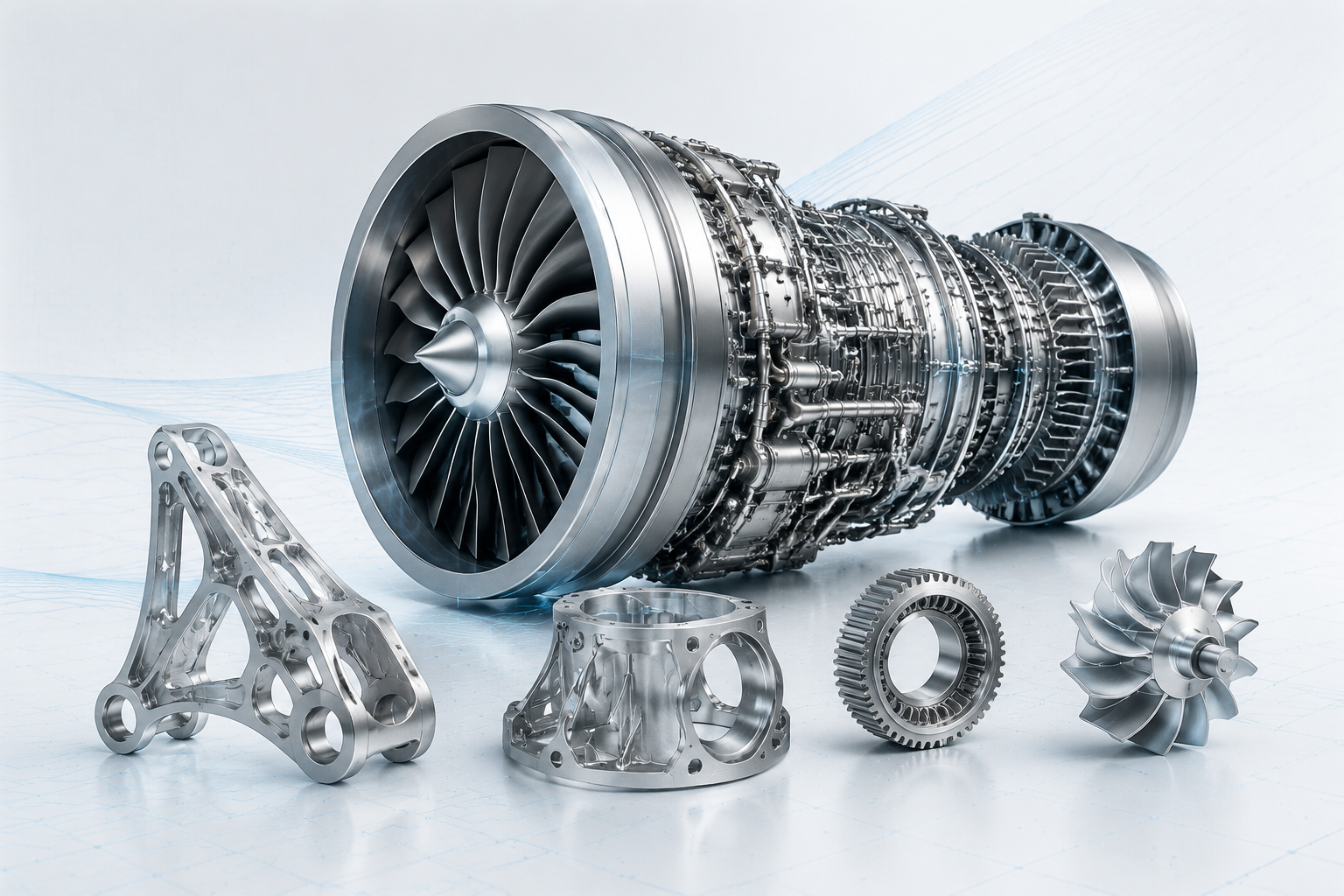
Amorphous alloys—also called metallic glasses—are non-crystalline metals with a disordered atomic structure.
Selected alloy systems can combine high strength, elastic strain, hardness, corrosion resistance and near-net-shape forming capability. Aerospace engineering teams evaluate them for compact precision parts, wear-resistant transmission components, flexures, inertial-reference hardware and selected fluid-control components.
Final suitability depends on the alloy family, component geometry, operating temperature, load case, environment and qualification plan. Amorphous Alloys begins with an engineering review rather than a one-material-fits-all recommendation.
The core advantages and characteristics of amorphous alloys in aerospace.
Strength far higher than conventional titanium-aluminum, moderate density.
Lightweight · Structural load-bearingElastic strain 2%~2.5%.
Energy storage · Impact resistance · Flexible structures550–700 HV, low friction coefficient.
Moving-parts lifespan · Maintenance-freeNo grain boundaries, low thermal expansion coefficient.
Precision reference · Wide-temperature-range accuracyNo intergranular corrosion, dense structure.
Marine environments · Salt-spray resistanceDense amorphous structure; performance requires alloy-specific validation.
Space environment · Radiation-exposed hardwarePrecision casting in the supercooled liquid phase region.
Complex micro components · Reduced connectionsExtremely low magnetic permeability.
Magnetically sensitive instrument compatibilityCertain plastic deformation capability.
Debris resistance · High-overload resistanceFive application groups connect amorphous-alloy material advantages with component implementation, aerospace value, and representative product examples.
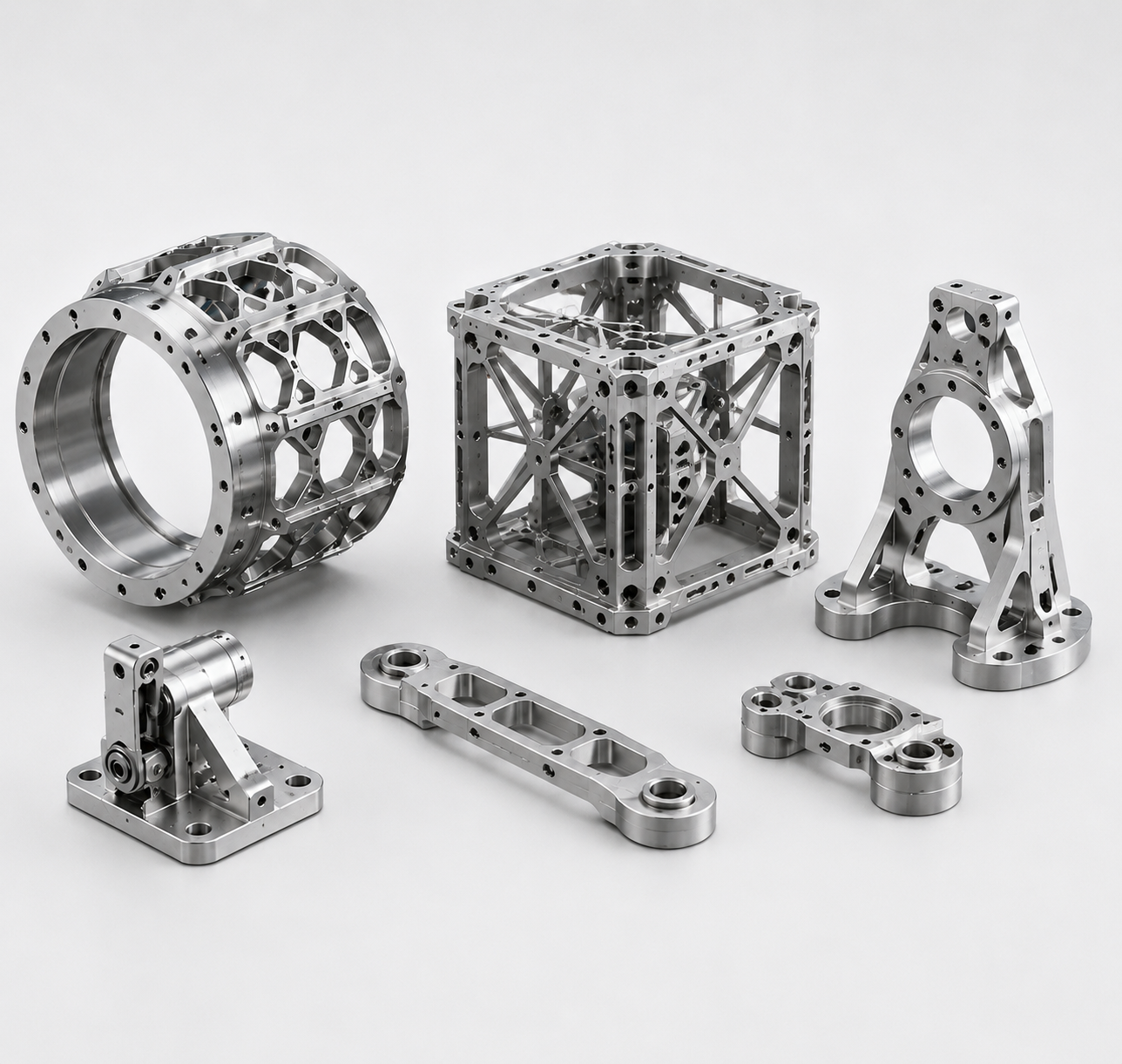
| Advantages of Amorphous Alloys | Application Forms | Product Advantages |
|---|---|---|
| High Specific Strength | Alternative to titanium alloy or aluminum alloy, with weight reduction under the same strength. | Increase payload ratio. |
| Dimensional Stability | No grain boundaries and no long-term stress relaxation. | Remain undeformed on the scale of years in orbit, maintaining optical and mechanical alignment. |
| Radiation Resistance | Dense amorphous structure resists high-energy particle damage. | Reduce material-performance degradation. |
| Near-Net Shaping | One-time forming of complex bracket and hinge structures. | Reduce fasteners and connection points, lowering the risk of failure. |
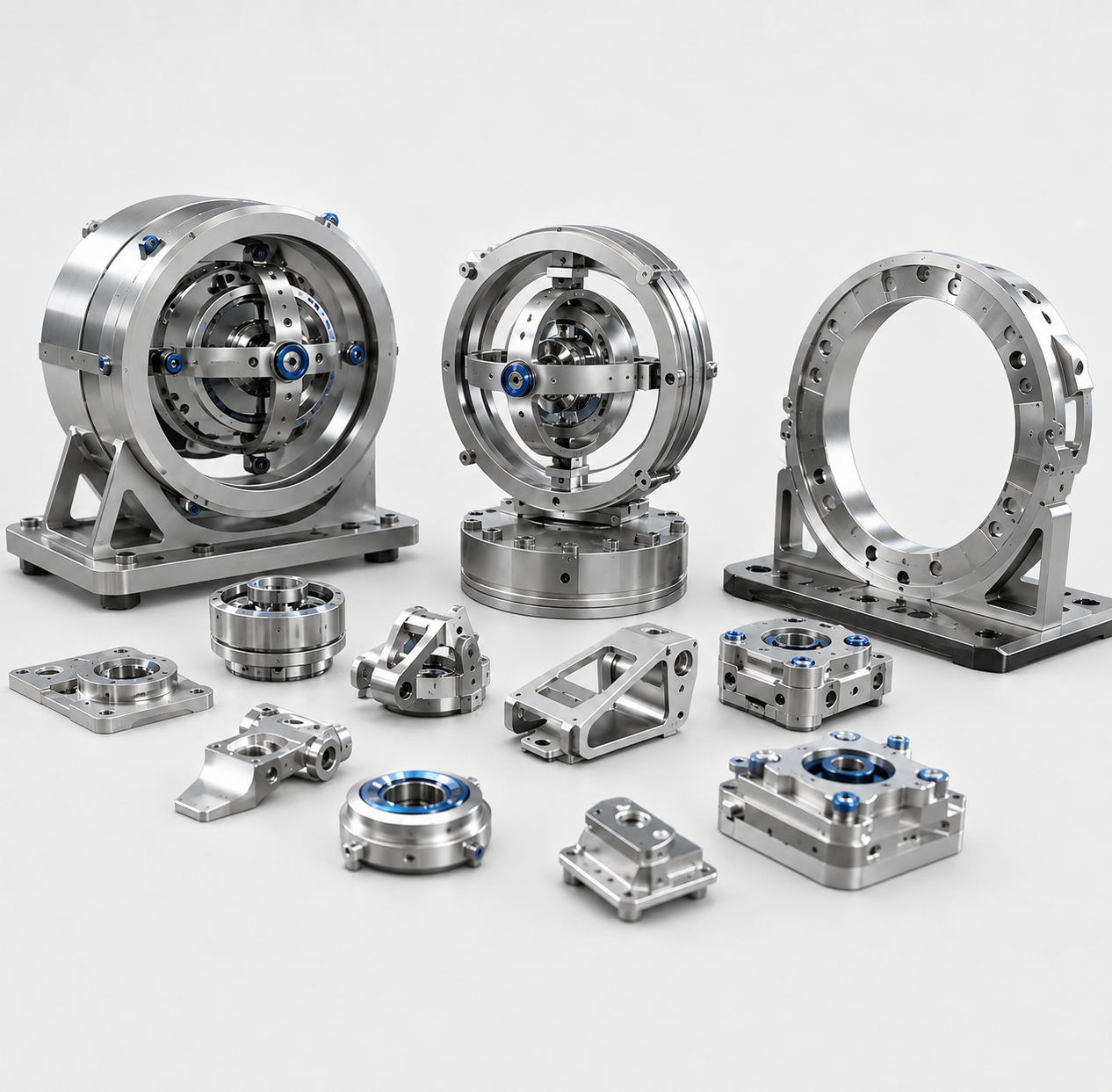
| Advantages of Amorphous Alloys | Application Forms | Product Advantages |
|---|---|---|
| High Elastic Limit | Flexible energy-storage components and flexible hinges. | Absorb vibration and shock, improving the stability of the servo system. |
| High Hardness & Wear Resistance | Micro gears, cams, and bearing cages. | Long service life under oil-free or low-oil conditions. |
| Near-Net-Shape Forming | Micro gear systems with module <0.5 mm are formed in one piece. | Prevent micro-machining stress and improve consistency. |
| Non-Magnetic | Servo gears do not interfere with electromagnetic sensors. | Enhance control precision. |
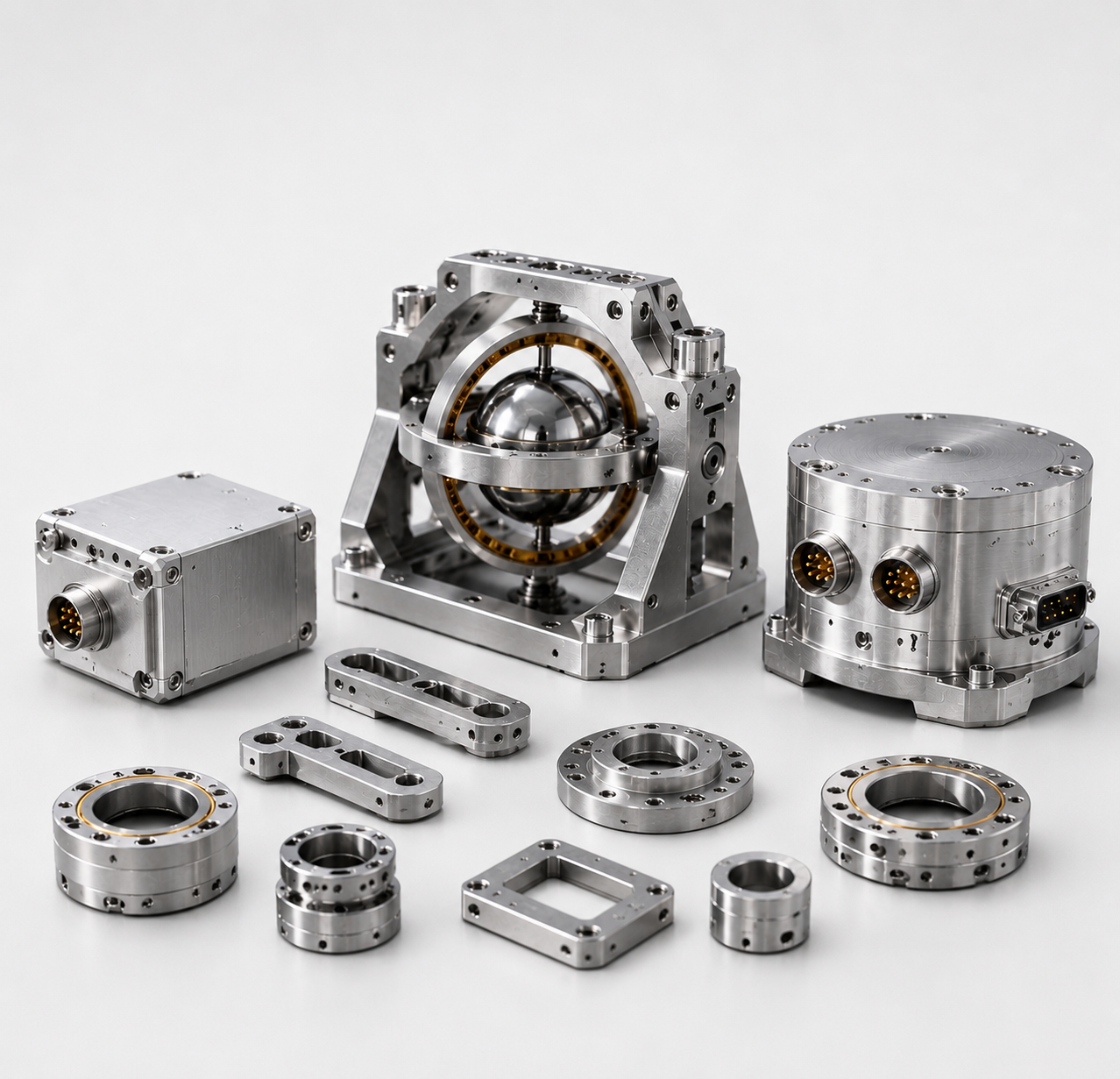
| Advantages of Amorphous Alloys | Application Forms | Product Advantages |
|---|---|---|
| Extremely Low Thermal Expansion Coefficient | Similar to Invar alloy and stable over a wide temperature range. | Gyroscope scale factor remains unchanged over time. |
| Dimensional Stability | No microstructural evolution and no stress release. | Reduce zero-bias drift. |
| Non-Magnetic | μr ≈ 1.001 and does not interfere with weak magnetic signals. | High-precision navigation is not affected by magnetic-field interference. |
| High Elastic Limit | Accelerometer-sensitive spring. | Expand measurement range and improve overload resistance. |
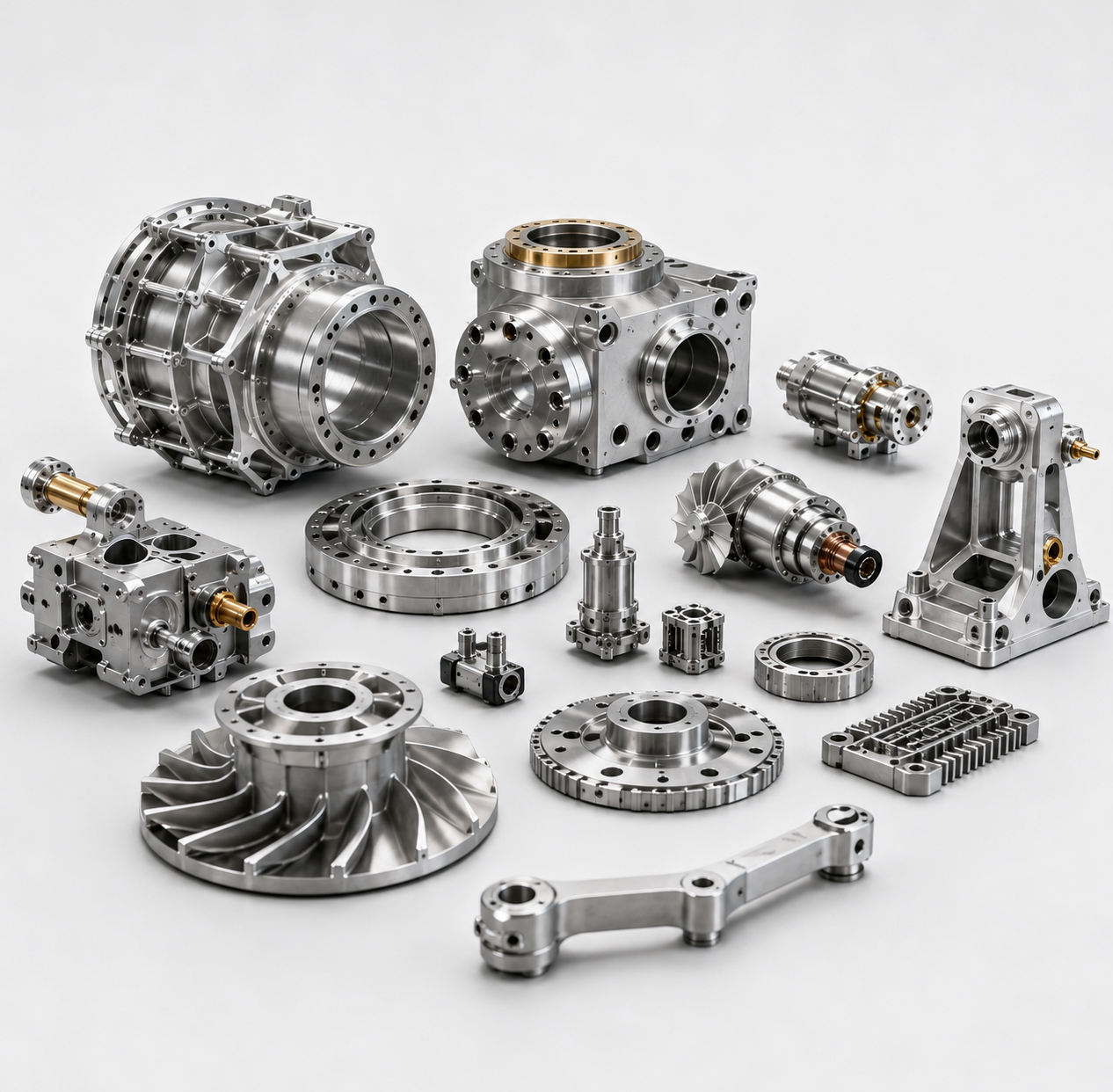
| Advantages of Amorphous Alloys | Application Forms | Product Advantages |
|---|---|---|
| Corrosion Resistance | Tolerant of propellants including NTO, MMH, and hydrogen peroxide. | Extend the life of valves and injectors. |
| High Hardness & Wear Resistance | Valve-seat and valve-core pairing. | Maintain sealing after repeated switching. |
| Near-Net Shaping | Injector micro-orifice array formed in one piece. | Ensure consistent flow and reduce clogging. |
| Impact Resistance | Withstand ignition shock waves. | Improve reliability in extreme conditions. |
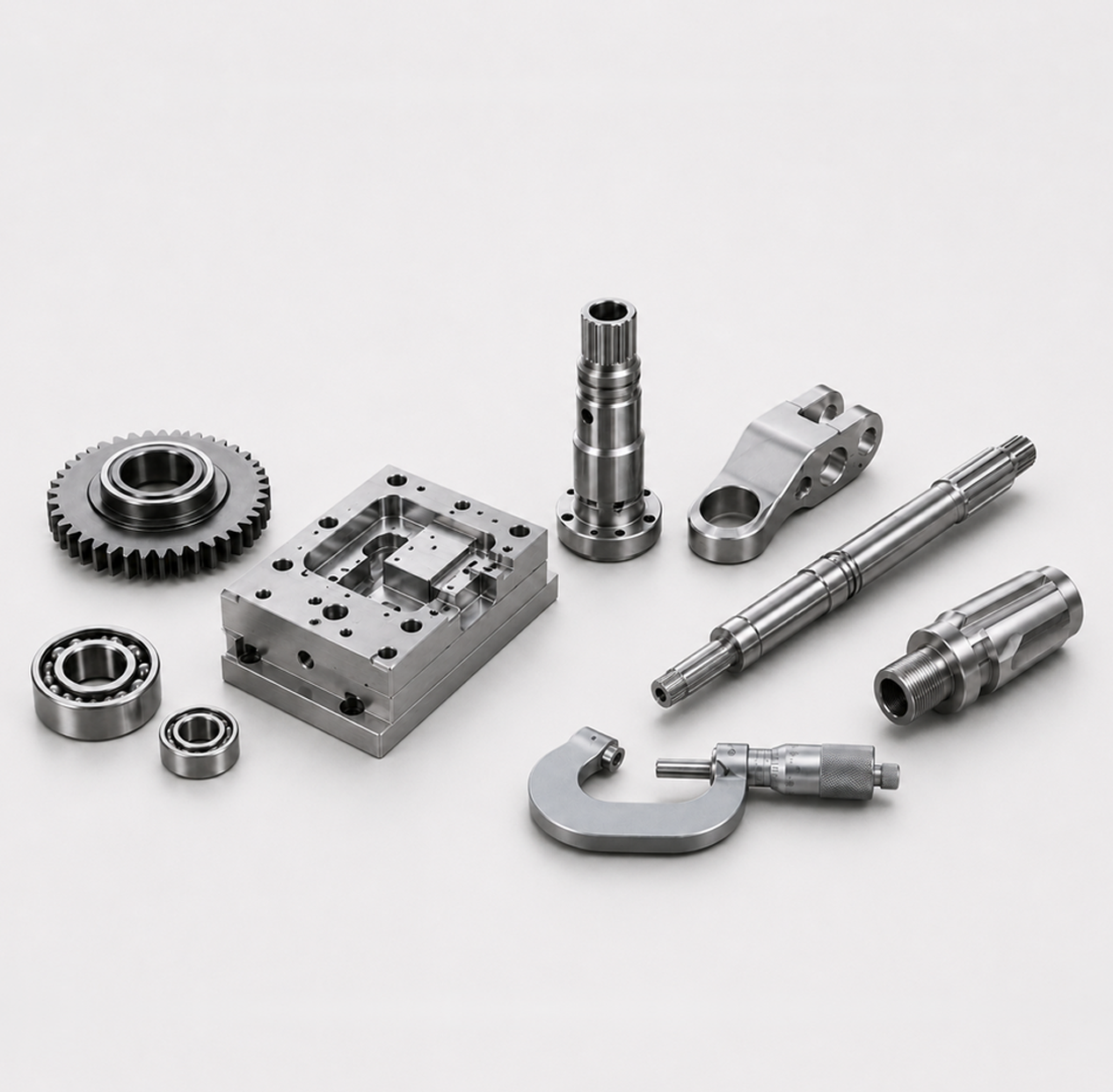
| Advantages of Amorphous Alloys | Application Forms | Product Advantages |
|---|---|---|
| High Specific Strength | Lighter with the same protective ability | Reduce launch costs |
| Radiation Resistance | Dense structure, resistant to atomic oxygen erosion | Low Earth orbit long-life applications |
| Dimensional Stability | Does not deform under thermal cycling | Maintain thermal clearance and the installation interface |
| Near-Net Shaping | Integrates complex heat dissipation structures | Reduce welding points |
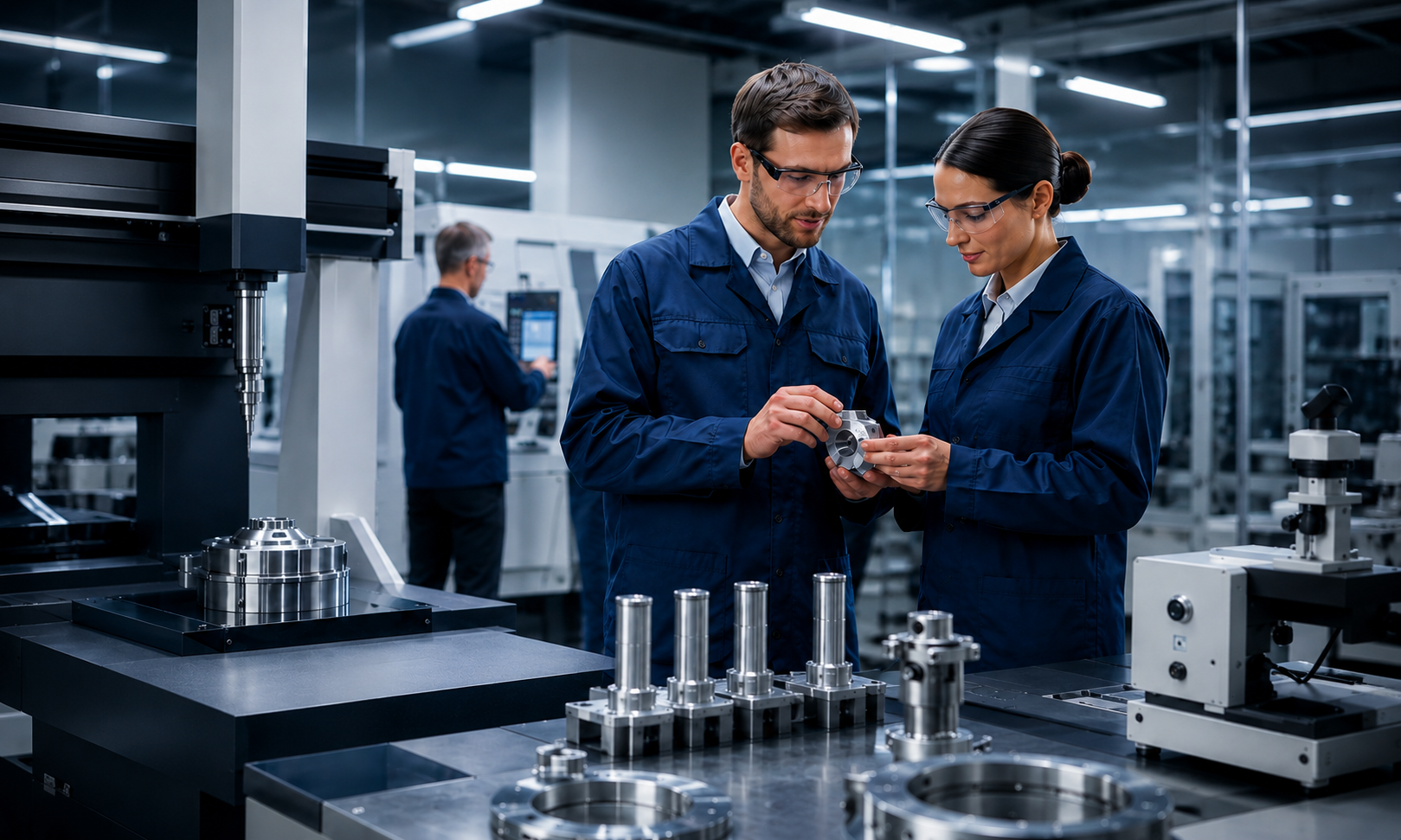
Amorphous Alloys connects material selection, mold engineering, prototyping, precision manufacturing, inspection and production planning in one coordinated workflow.
This table compares traditional material challenges with amorphous alloy solutions and their functional advantages across demanding aerospace applications.
| Product Categories | Traditional Materials | Main Challenges | Amorphous Alloy Solutions | Core Advantages |
|---|---|---|---|---|
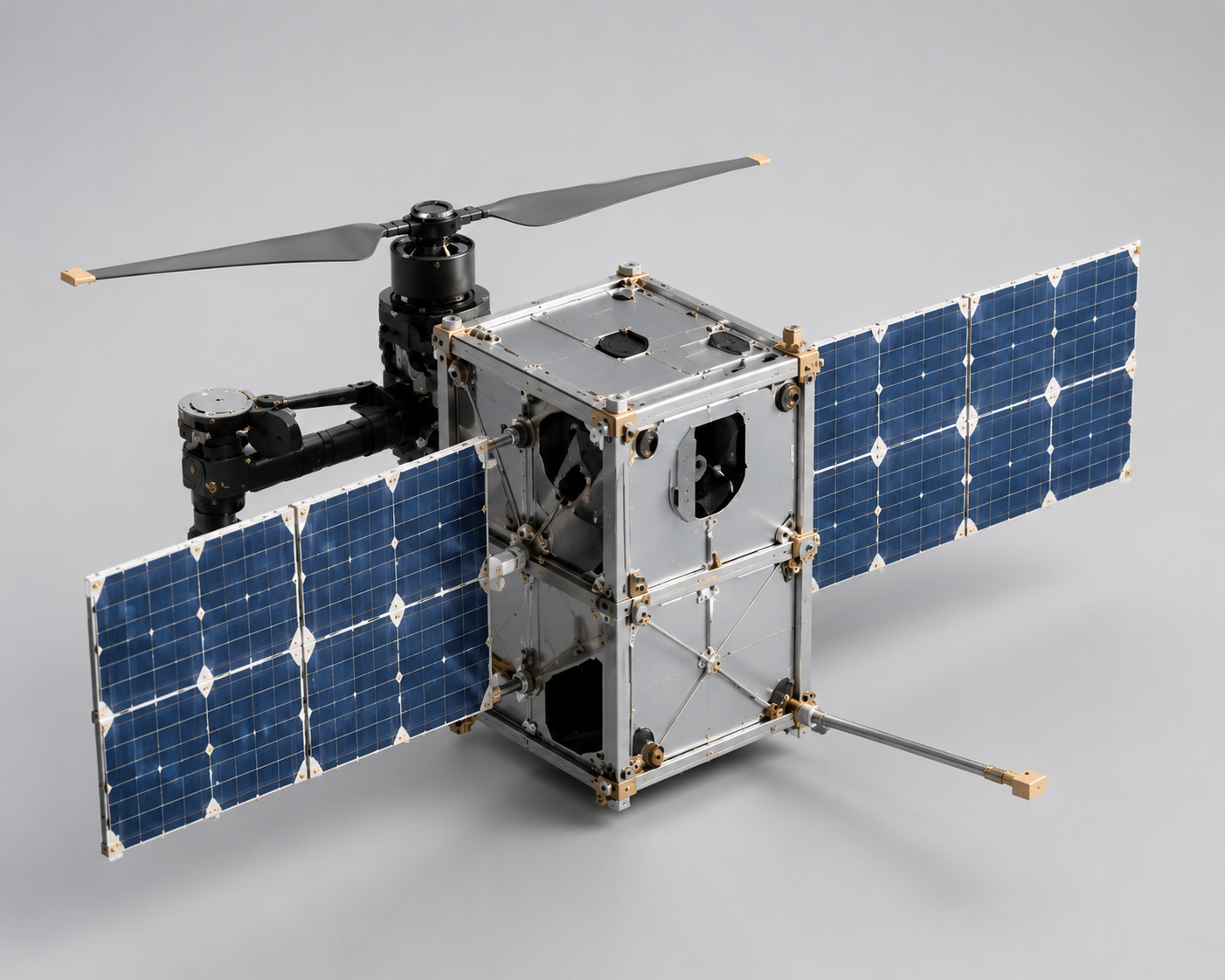
| Satellite Structural Components | Aluminum / Titanium Alloy | Long-term dimensional drift, radiation damage | Near-net-shape Amorphous Brackets | Weight reduction, improved on-orbit stability |
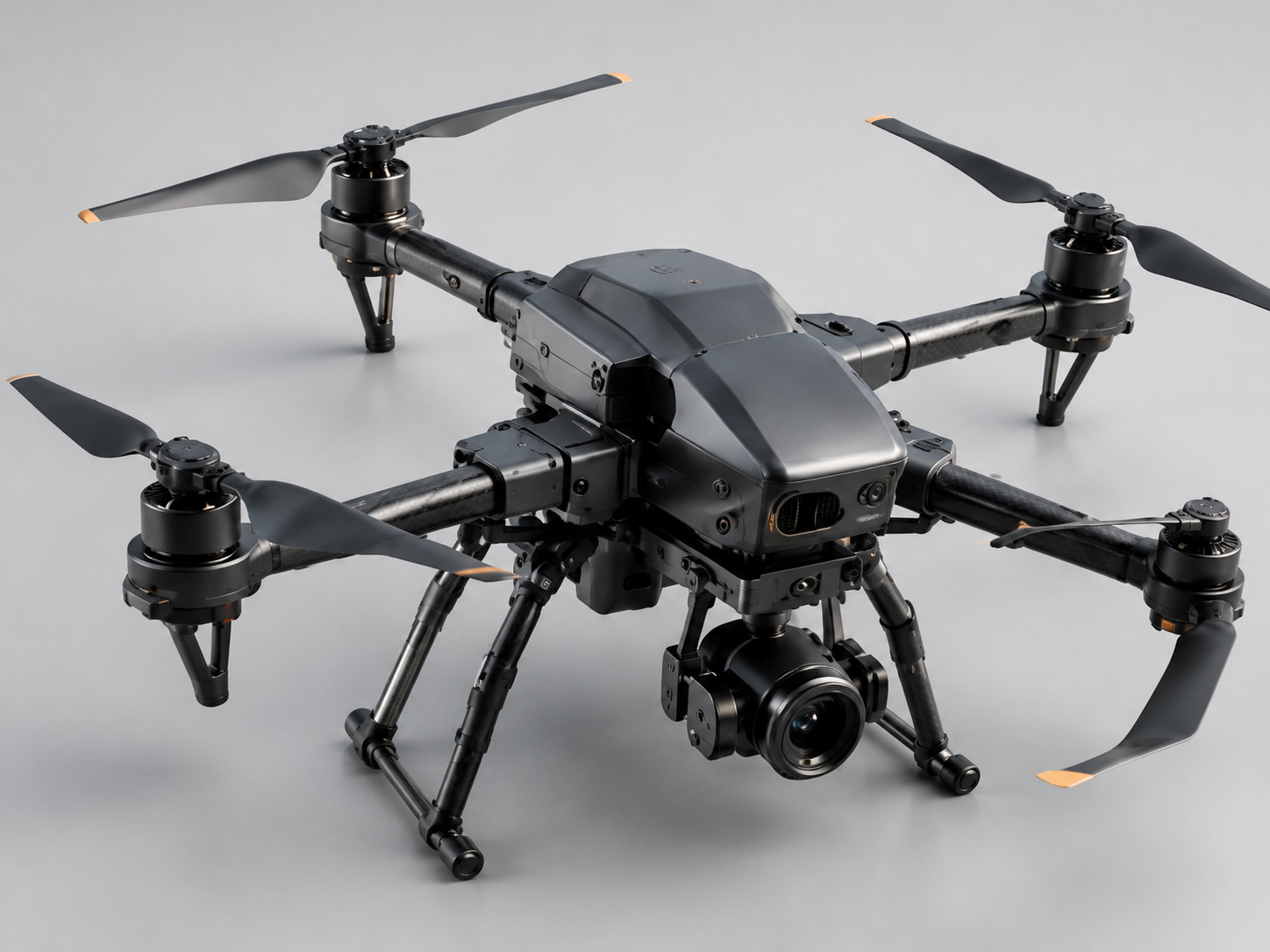
| Drone Servo Gears | Powder Metallurgy / Stainless Steel | Wear, micro-machining difficulties | Die-cast Micro Gear Systems | Lubrication-free, lifespan doubled |
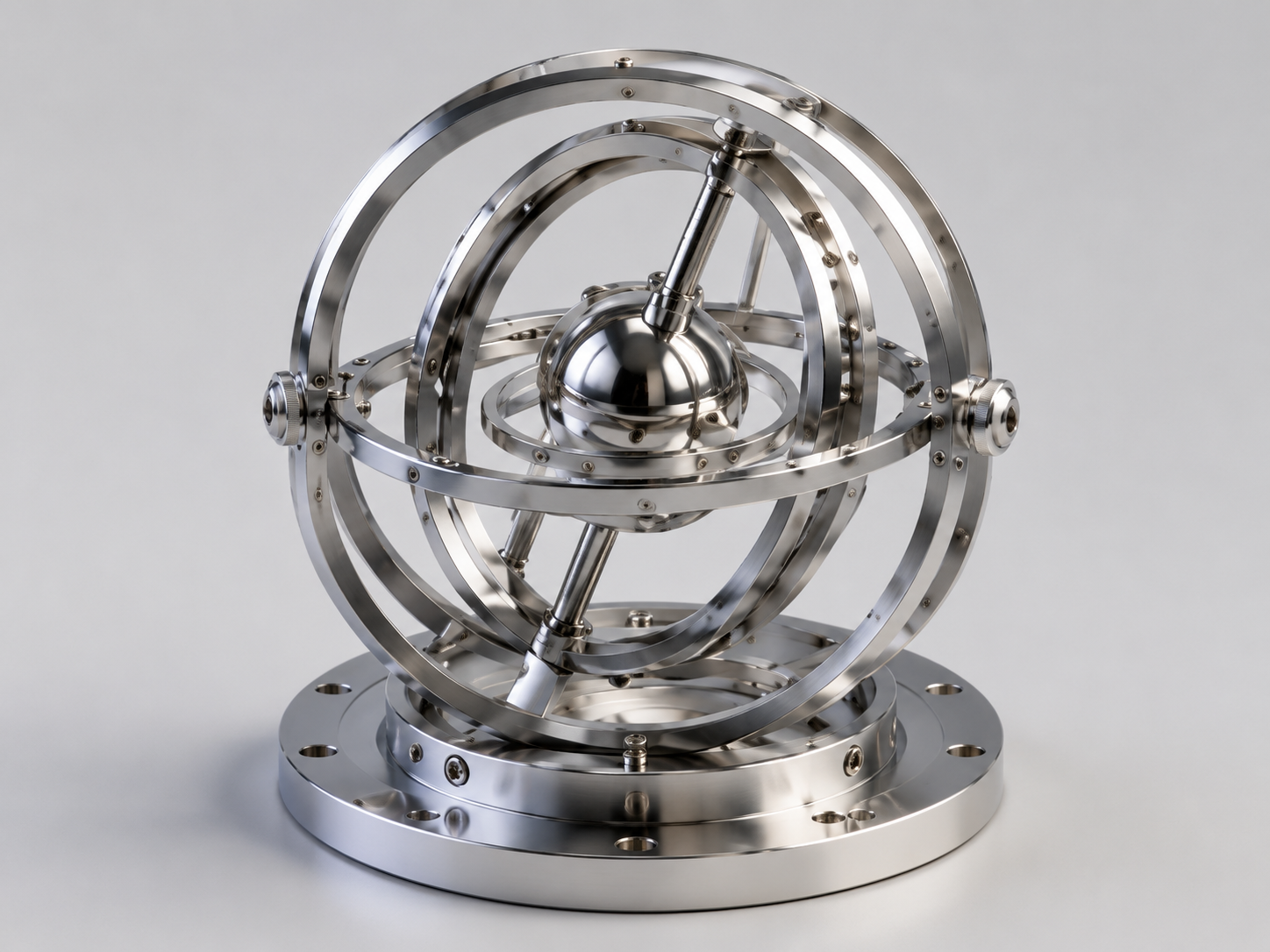
| Laser Gyroscope Cavities | Fused Glass / Hastelloy | Complex processing, high cost | Amorphous Alloy Die-cast Cavities | Equivalent precision, can integrate flow channels |
| Propellant Valves | Stainless Steel / Hastelloy | Corrosion, seal wear | Amorphous Alloy Valve Cores and Seats | Corrosion-resistant, wear-resistant, reliable repeated sealing |
| Inertial Accelerometer Springs | Beryllium Copper / Quartz | Elasticity degradation, brittleness | Amorphous Alloy Elastomers | High elastic limit, strong overload resistance |
Technical performance is alloy- and process-specific. Published or project values should not be treated as universal without material verification and component-level testing.
This comparison highlights the key physical, mechanical and processing characteristics that influence material selection for demanding aerospace components.
| Performance Indicators | Amorphous Alloy (Zr/Ti-based) | Titanium Alloy TC4 | 7075 Aluminum Alloy | Stainless Steel 304 | Beryllium Copper |
|---|---|---|---|---|---|
| Density (g/cm³) | 6.0–6.8 | 4.43 | 2.78 | 7.93 | 8.25 |
| Specific Strength | High | Medium–High | Medium | Medium–Low | Medium |
| Elastic Limit | 2%–2.5% | 0.80% | 0.70% | 0.70% | 1.20% |
| Hardness (HV) | 550–700 | 350 | 150 | 200 | 200–400 |
| Coefficient of Thermal Expansion (×10⁻⁶/K) | 5–12 (adjustable) | 8.6 | 23 | 17 | 17 |
| Magnetic Permeability | Nearly non-magnetic | Weakly magnetic | Non-magnetic | Weak magnetism | Non-magnetic |
| Corrosion Resistance (Propellant Environment) | Excellent | Good | Poor | General | General |
| Complex Microstructure Forming Capability | Near-net shape | Machinable | Machining | Machining | Machining / Casting |
Its core values can be summarized in three sentences:
Make structures lighter and more stable: high specific strength, no grain boundary, size stability, suitable for long-life in-orbit and spacecraft structures.
Make transmissions more wear-resistant and reliable: high elasticity, high hardness, solving wear and fatigue problems of moving parts under low lubrication, vacuum, and high load.
Make precision components easier to manufacture: near-net shaping directly achieves miniature complex structures, breaking the limitations of traditional machining on aerospace miniaturized design.
Our role is to help engineering and sourcing teams determine where amorphous alloys create measurable value—and where a conventional material remains the better choice.
About Amorphous AlloysLong-term focus on amorphous alloy research, development and manufacturing.
Structured process control, inspection planning and production consistency.
Application review, alloy selection, mold development and production coordination.
Serving advanced manufacturers across international markets.
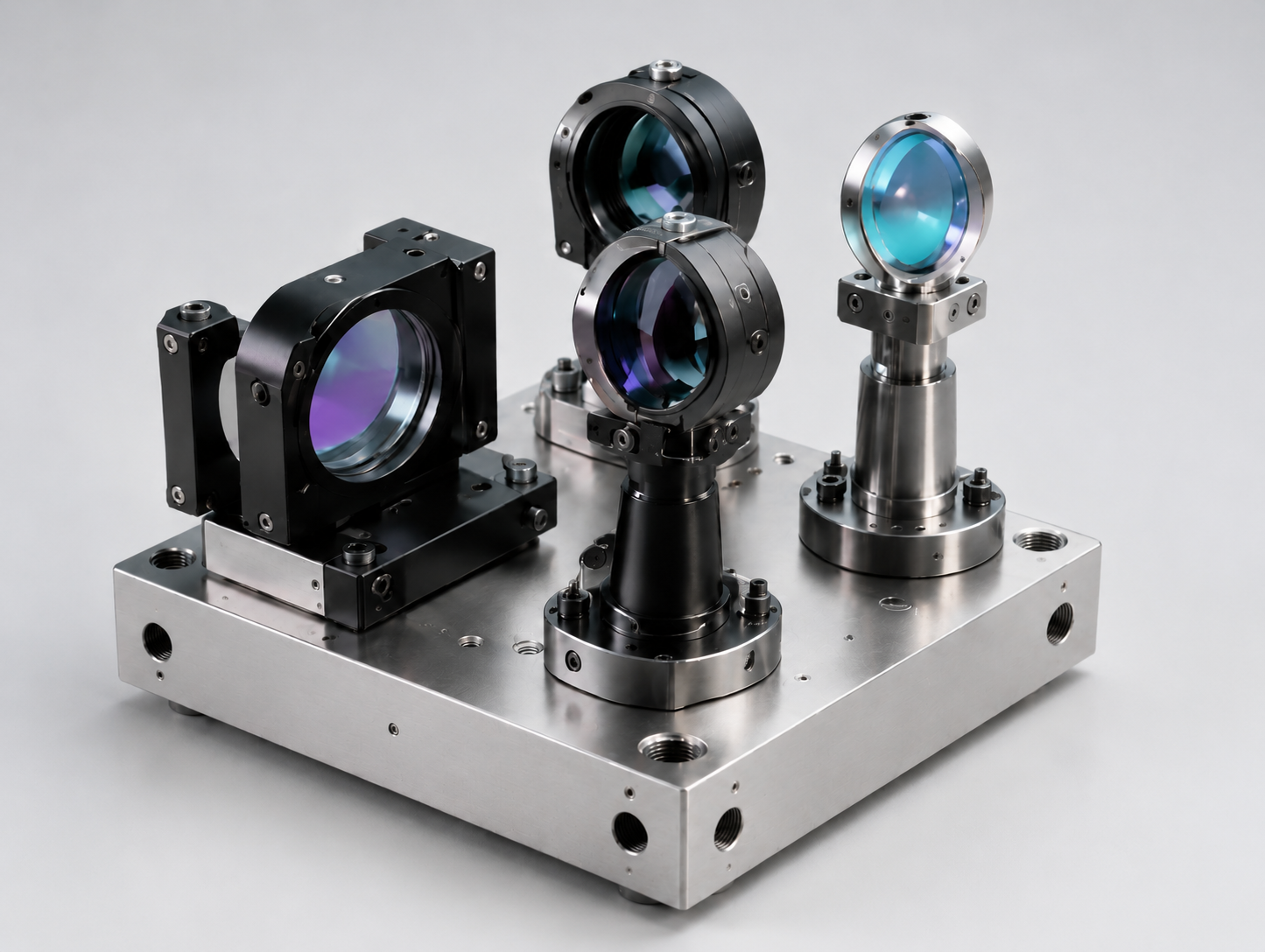
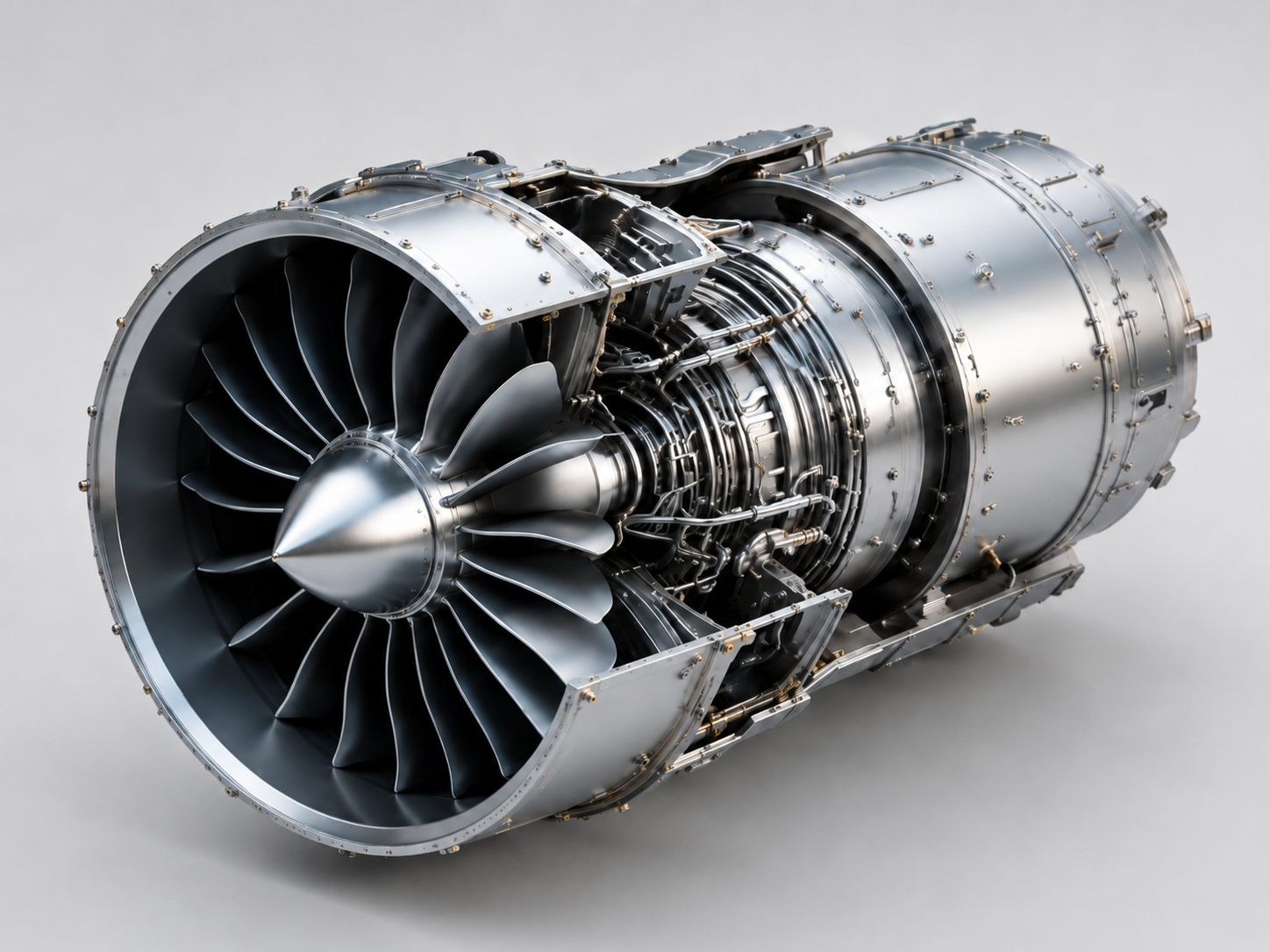
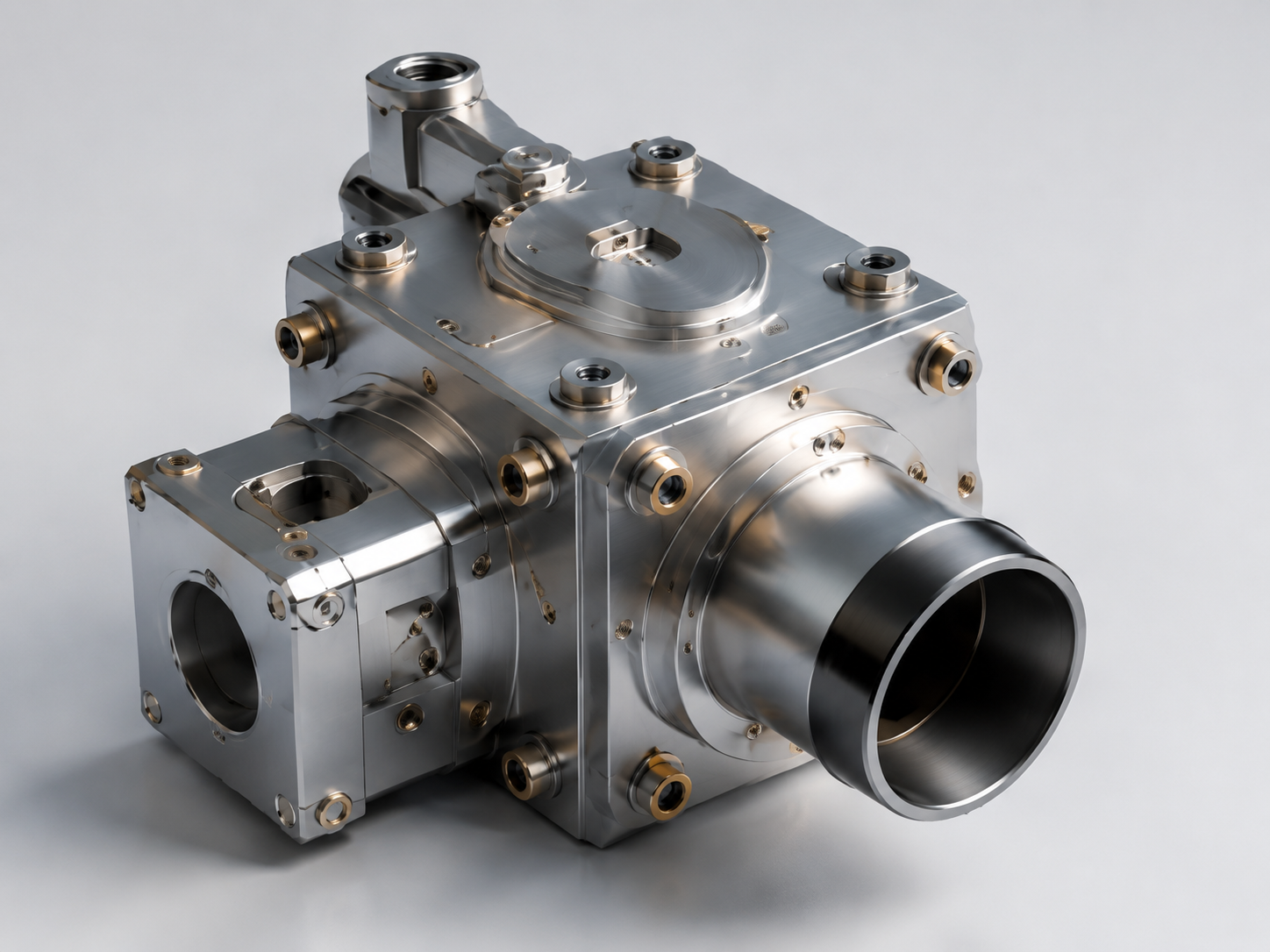
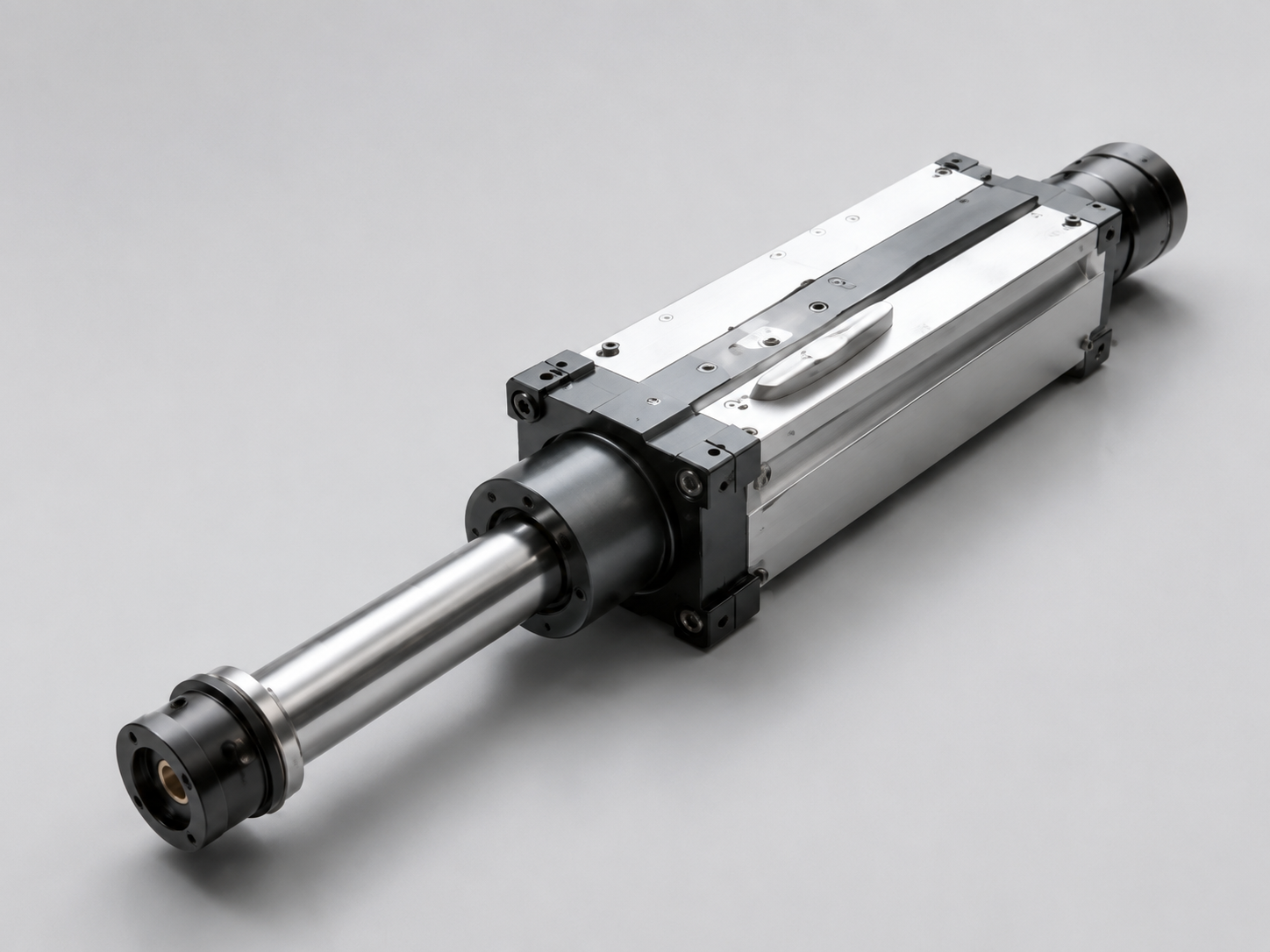
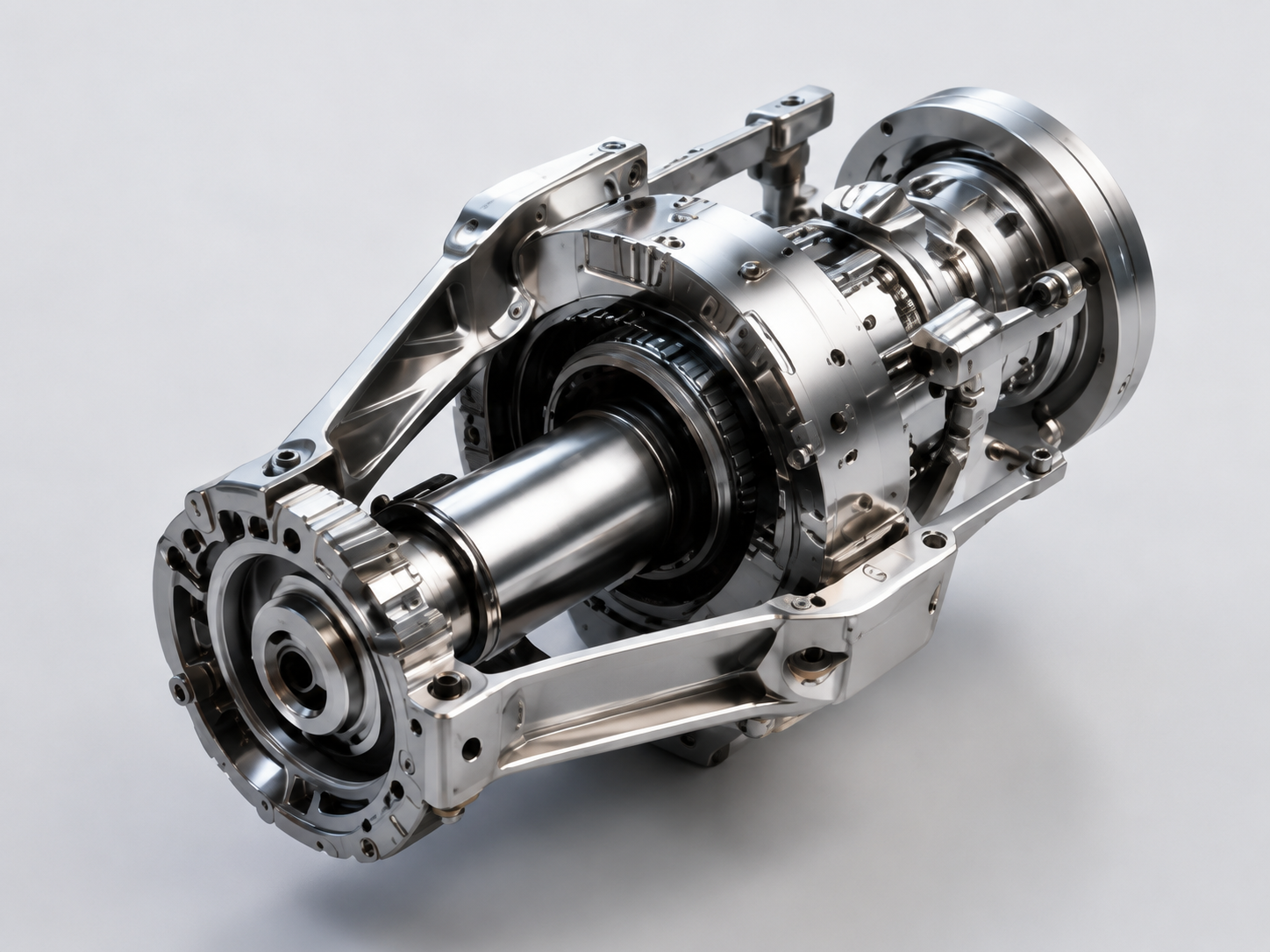
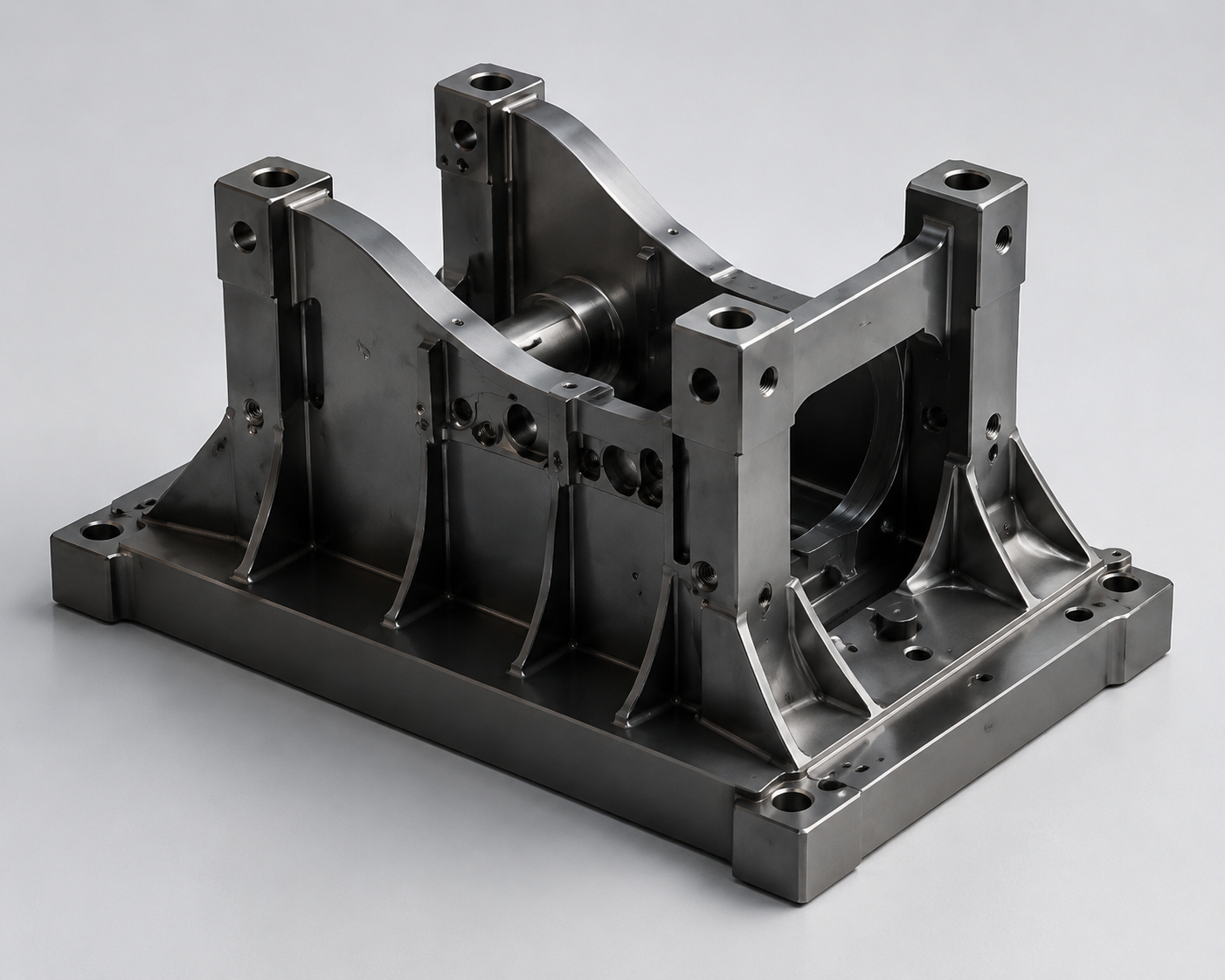
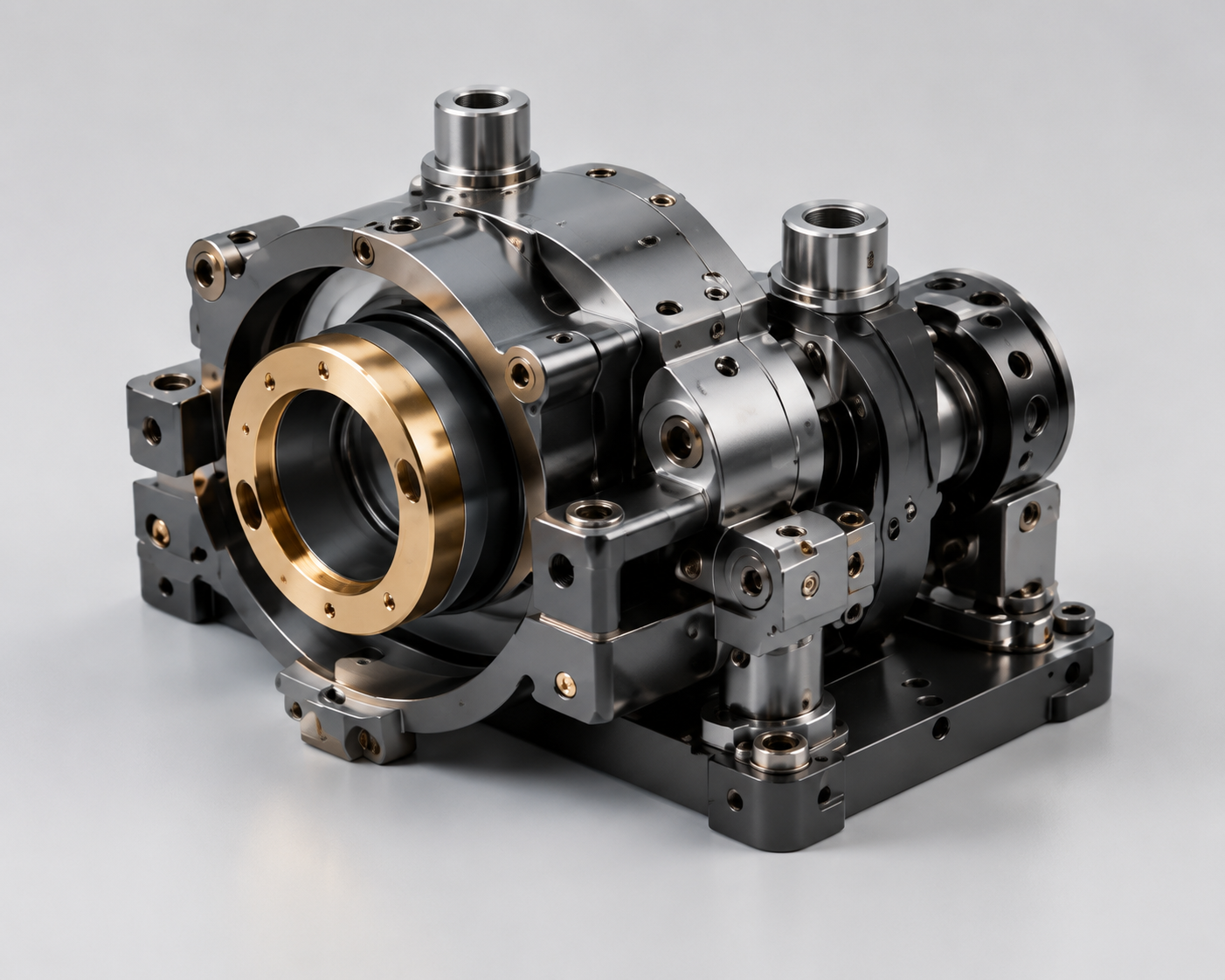
Amorphous alloys can be directly used in the following aerospace application directions:
These concise answers are written for human visitors and can also help search and AI systems identify the page’s core subject matter.
Ask a Technical QuestionAmorphous alloys, also called metallic glasses, are non-crystalline metals. Selected systems can combine high strength, elastic strain, hardness, corrosion resistance and precision-forming capability. Final suitability must be confirmed for the selected alloy, geometry, load case and operating environment.
Candidate areas include satellite brackets and deployment mechanisms, UAV and aircraft actuator parts, precision gears and flexures, inertial-navigation housings and elastic elements, propulsion valve components, injector features and selected thermal-control or protection hardware.
Not automatically. Replacement depends on component size, temperature, loads, joining method, corrosion exposure, qualification requirements and total manufacturing cost. The process begins with a component-level engineering review.
Yes. Support can include application review, material selection, DFM feedback, mold and process engineering, prototype production, dimensional inspection and planning for stable production.
Validation is program-specific and may include material verification, dimensional inspection, surface and hardness checks, mechanical testing, thermal cycling, corrosion or wear evaluation, functional testing and customer-required documentation.
Provide a drawing or 3D model when available, target performance, operating temperature, loads and environment, tolerance and surface requirements, prototype quantity, estimated annual volume and required quality documentation.
Share your application, geometry, target performance, quantity and qualification needs. Our team can review material fit, process feasibility and the next engineering step.