High Elastic Limit
Elastic strain of 2%–2.5%, much higher than crystalline alloys.
Flexible implants · Minimally invasive device structuresThe medical-device field is developing toward less invasive, more precise and more compatible solutions. Traditional stainless steel and titanium alloys are approaching physical limits in specific strength, elasticity and non-magnetic performance, while complex microstructures remain costly to manufacture.
Amorphous alloys (metallic glasses) combine high elastic limits, hardness, non-magnetic behavior, corrosion resistance and near-net-shape forming, creating new options for high-end surgical instruments, selected implant-grade devices and precision diagnostic equipment.
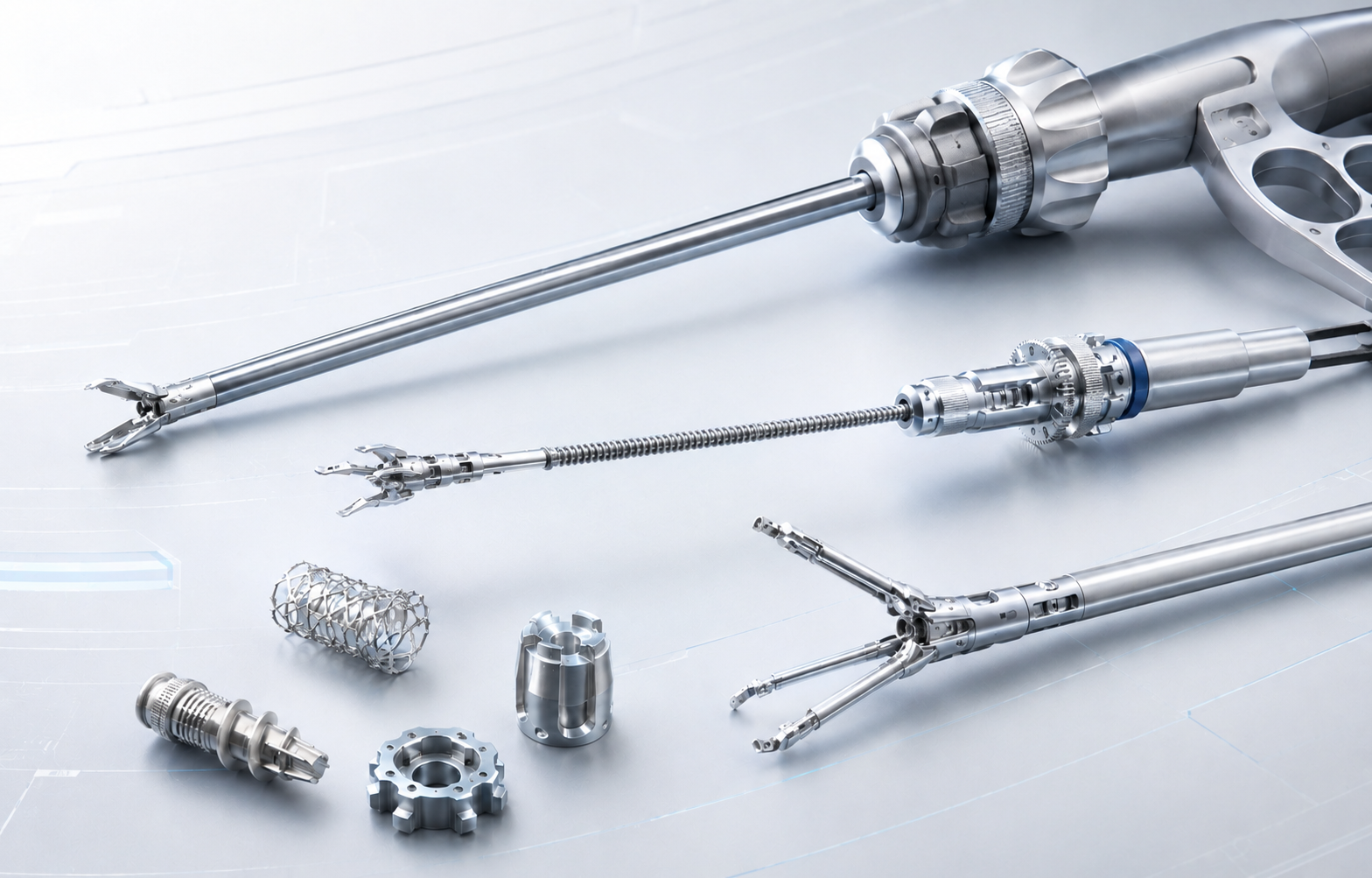
Amorphous alloys are non-crystalline metals whose structure can provide a distinctive combination of elasticity, hardness, wear resistance, corrosion resistance and precision-forming capability.
They are not a universal replacement for stainless steel, titanium, PEEK or tungsten. Their value is strongest where a compact device needs several properties at once—such as a sharp durable edge, elastic recovery, non-magnetic behavior, miniaturization or a complex near-net-shaped geometry.
Final use requires alloy-specific material verification, component validation and compliance with the applicable medical-device regulations.
The material properties that make amorphous alloys suitable for precision medical devices, surgical instruments and selected implants.
Elastic strain of 2%–2.5%, much higher than crystalline alloys.
Flexible implants · Minimally invasive device structuresHardness of 550–700 HV with a low friction coefficient.
Durable cutting edges · Wear-resistant jointsExtremely low magnetic permeability, approximately μr ≈ 1.001.
MRI compatible · No electromagnetic-navigation interferenceNo grain boundaries and resistant to body fluids and disinfectants.
Low ion release · Resistant to repeated sterilizationBetter strength-to-density ratio than stainless steel and titanium alloys.
Lightweight devices · Improved tactile feelPrecision die casting forms complex microstructures in one step.
Miniature forceps heads · Staples · Integrated microchannelsSelected Zr/Ti-based alloy systems have passed cytotoxicity tests.
Short-term contact · Long-term tissue-contact potentialModerate density can provide better imaging visibility than polymers in selected applications.
Interventional-device visualization · Imaging follow-upExplore five medical-device application groups where amorphous alloys can provide functional and manufacturing advantages.
| Advantages of Amorphous Alloys | Specific products | Product Advantages |
|---|---|---|
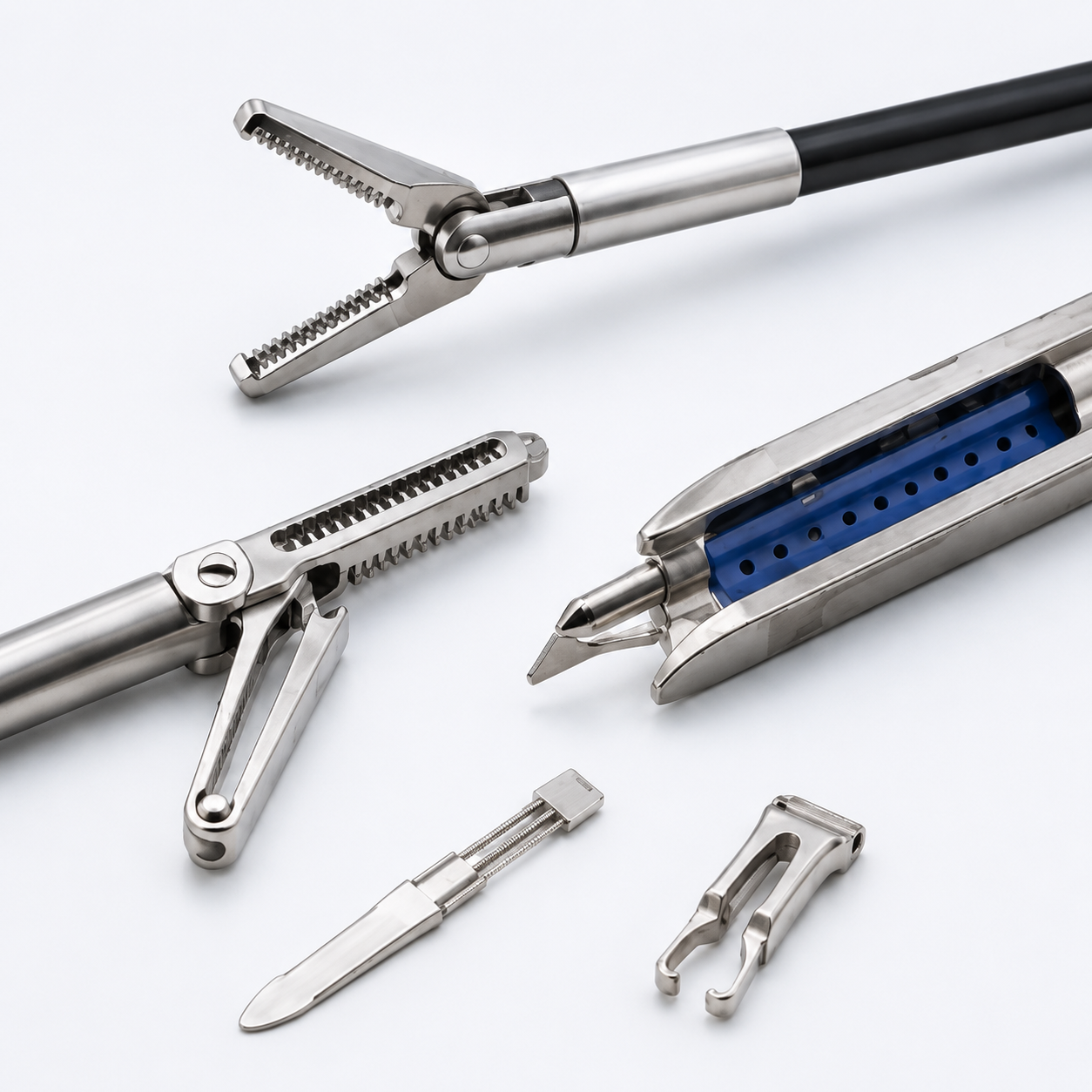
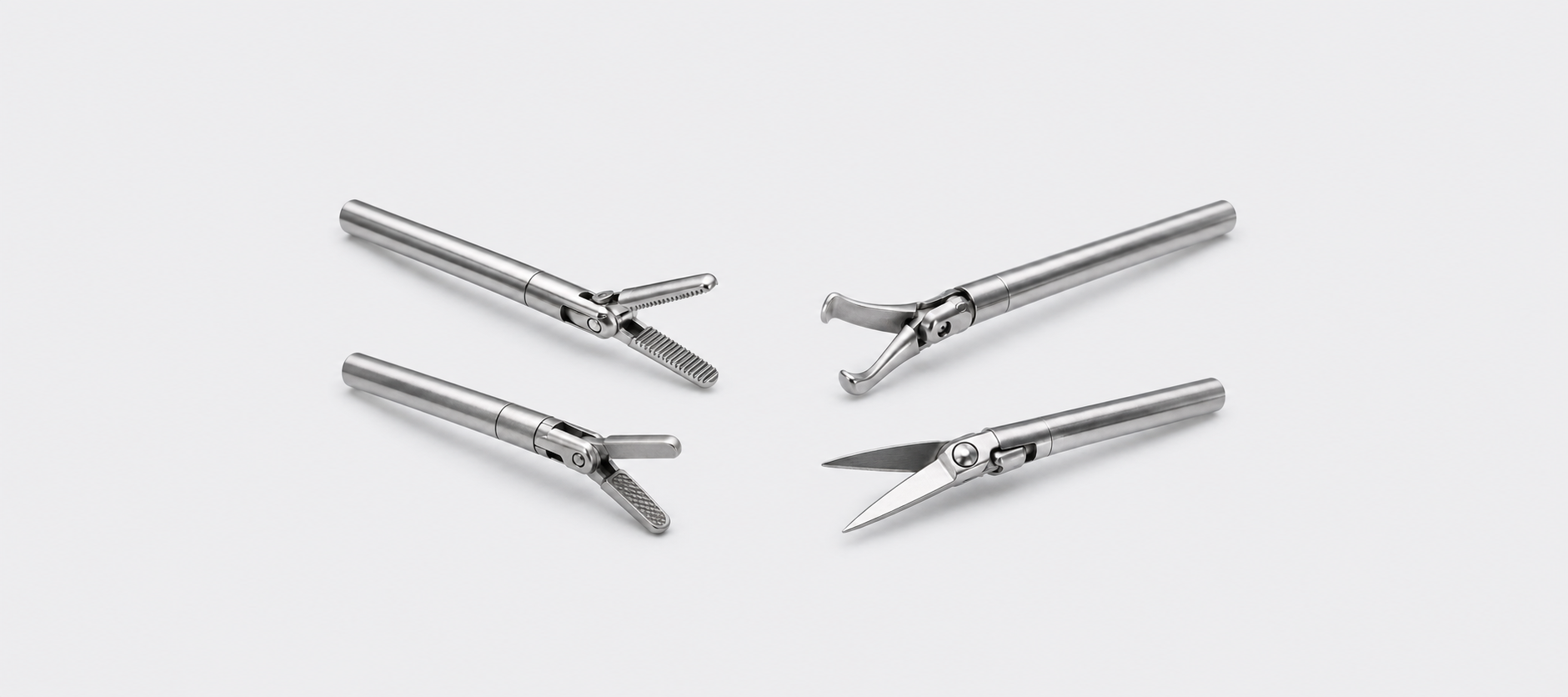
| High hardness and sharpness | Pliers head teeth surfaces, cutting edges | Sharp and durable blade edge, reducing tissue tearing |
| High elastic limit | Stapler push plate, elastic clamp arms | Fully recovers after large deformation, ensuring consistent anastomosis force |
| Near-net shaping | Microscopically complex pliers head formed in one-time casting | No need for wire cutting or micro-milling, significantly reducing costs |
| Corrosion resistance | Resistant to blood, saline, and high-temperature high-pressure sterilization | Reusable, extending the lifespan of instruments |
| Non-magnetic | Does not interfere with electromagnetic navigation or magnetic anchoring systems | Suitable for magnetic-controlled endoscopy and navigational surgery |
| Advantages of Amorphous Alloys | Specific Products | Product Advantages |
|---|---|---|
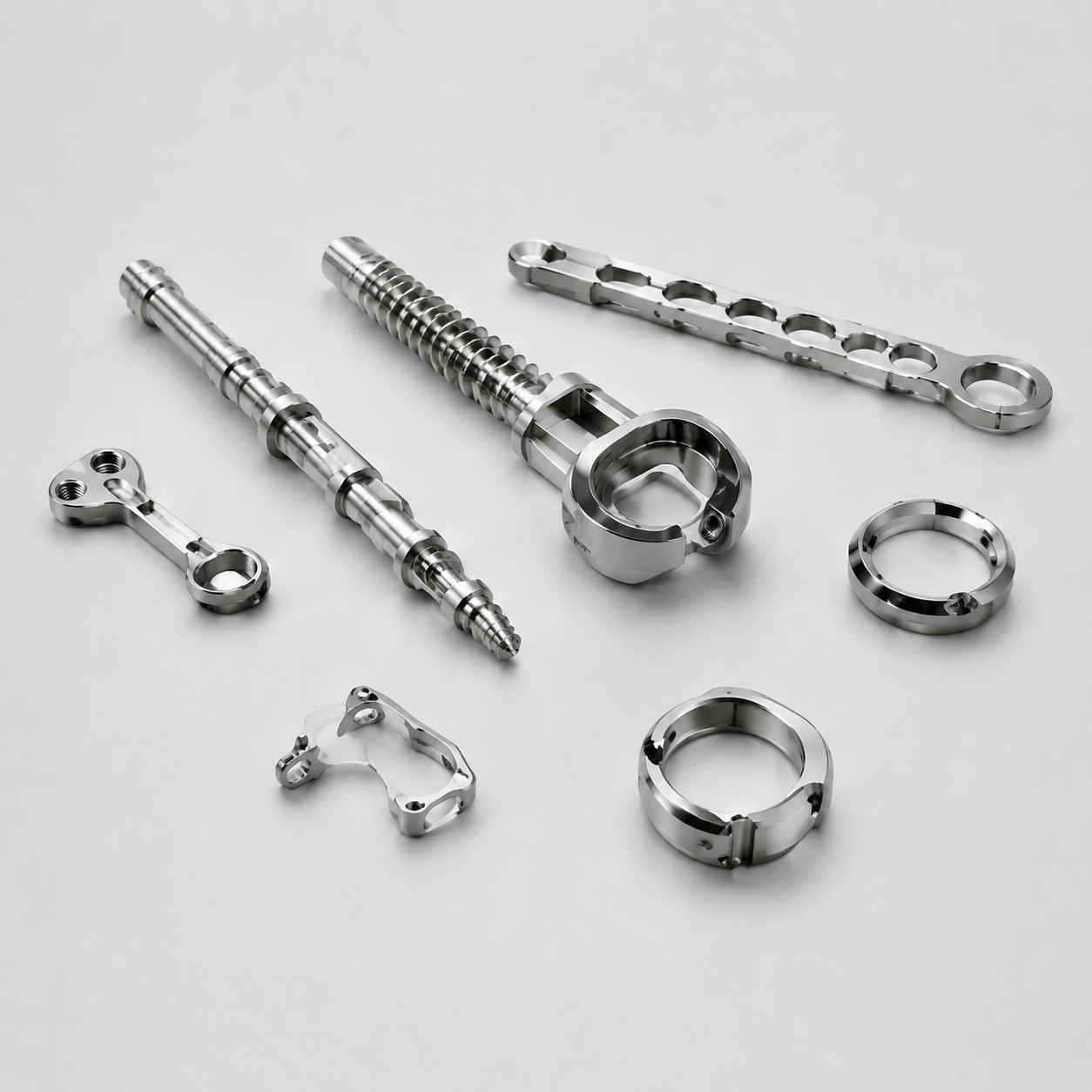
| High specific strength | Smaller and lighter implants at the same strength | Reduces tissue displacement and foreign body sensation |
| Non-magnetic | Does not interfere with postoperative MRI examinations | Patients can undergo MRI without removal |
| Corrosion resistant, low ion release | No grain boundaries, no pitting | Long-term implantation does not cause local inflammation |
| High elastic limit | Bone plates or fixation clips can provide dynamic elastic fixation | Promotes fracture healing and reduces stress shielding |
| X-ray visibility | Imaging is better than PEEK and other polymers | Clear postoperative imaging follow-up |
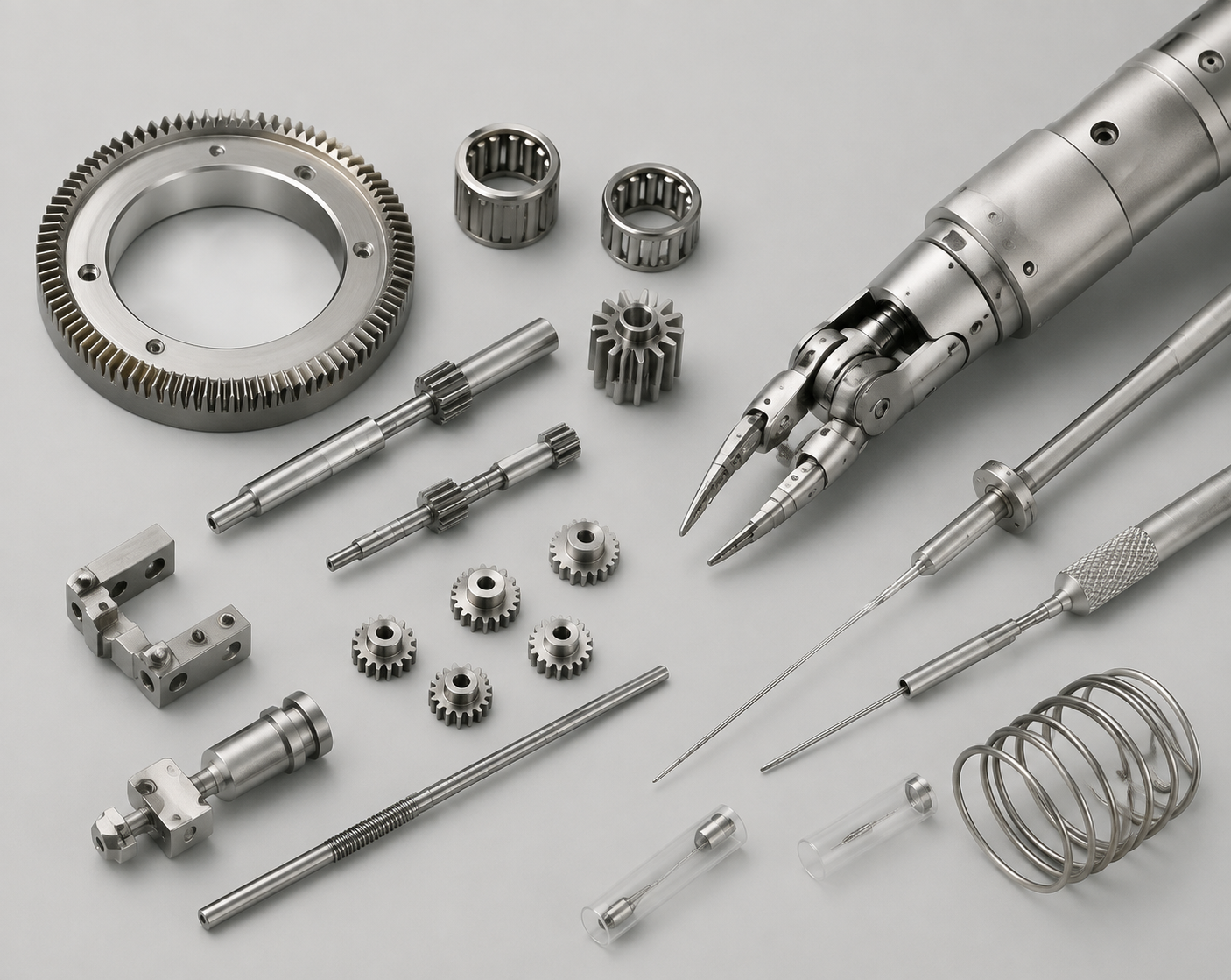
| Advantages of Amorphous Alloys | Specific Products | Product Advantages |
|---|---|---|
| High hardness, wear-resistant | Gears, bearings, shaft mating surfaces | Low wear under oil-free or low-oil conditions, extends service life |
| Non-magnetic | Gears near surgical robot joints | Does not interfere with position sensors and magnetic encoders |
| High elastic limit | Micro spring tubes, overload protection structures | Prevents damage to equipment from rough handling |
| Near-net shape forming | Micro gear trains formed by single casting | Gears with a module below 0.2mm do not require hobbing |
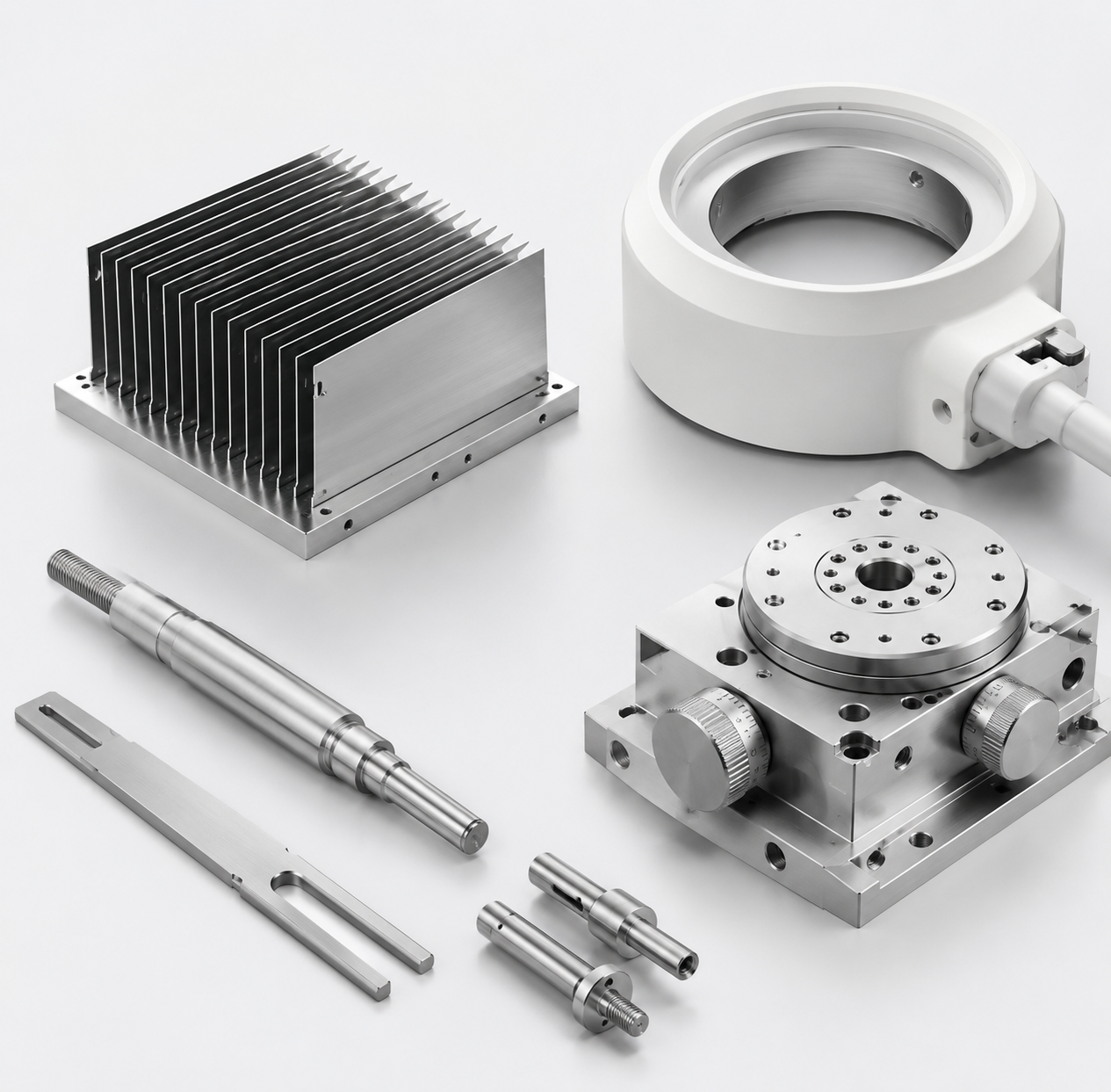
| Advantages of Amorphous Alloys | Specific Products | Product Advantages |
|---|---|---|
| Non-magnetic | Tools and accessories used in MRI rooms | Can be used in strong magnetic field environments without causing attraction or artifacts |
| High hardness, dimensional stability | Collimator blades, beam limiter blades | No wear during long-term operation, clear radiation edges |
| High density, absorption coefficient | CT collimators have a higher X-ray absorption rate | Thinner blades achieve the same shielding effect |
| Corrosion resistant | Can withstand cleaning with medical disinfectants | Long service life of the device surface |
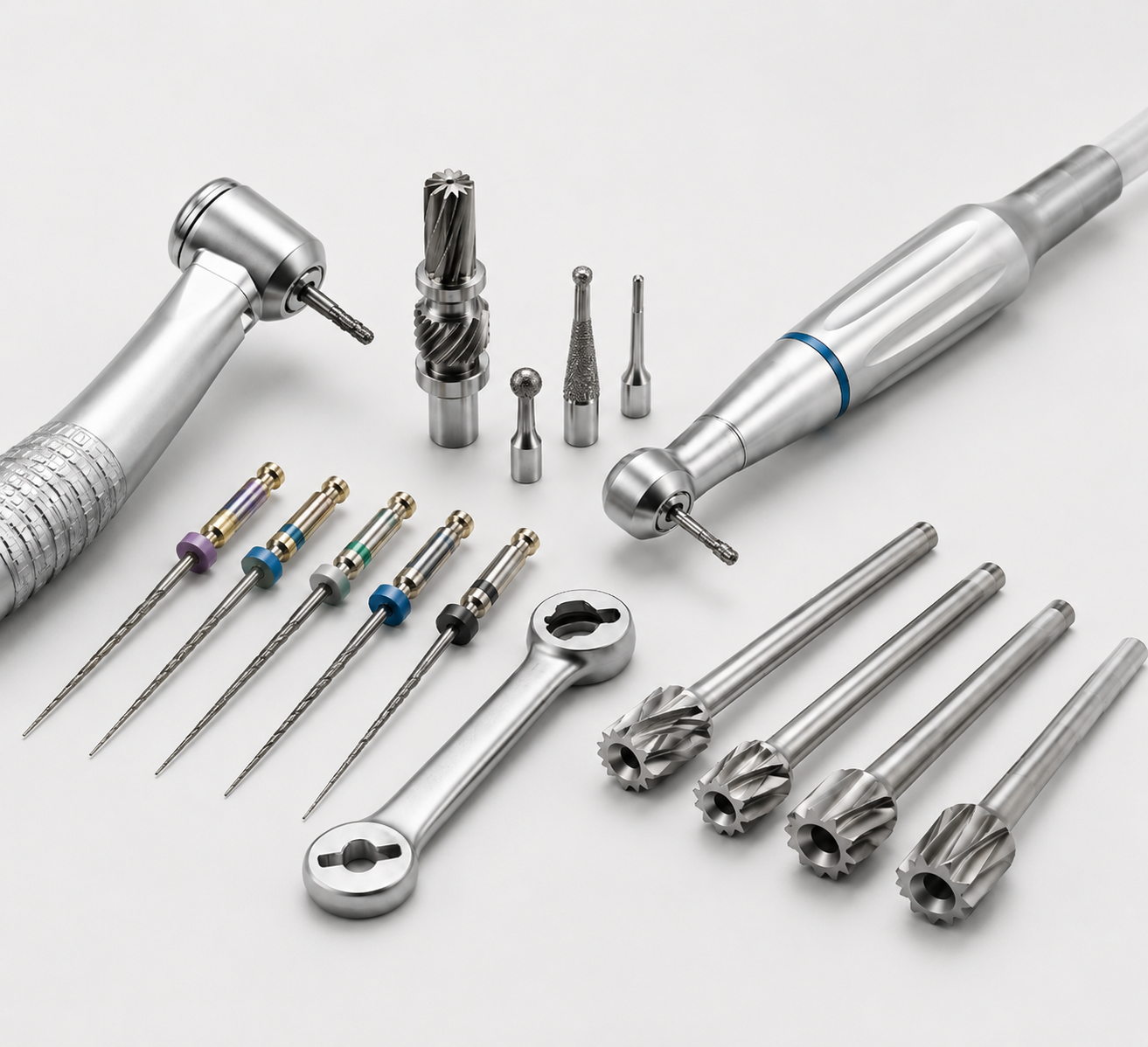
| Advantages of Amorphous Alloys | Specific Products | Product Advantages |
|---|---|---|
| High Hardness, Wear Resistant | Mobile phone gears, endodontic file tips | Remains sharp and precise even after frequent disinfection |
| Non-magnetic | Mobile phones that do not interfere with navigation systems or magnetic drives | Suitable for digital dental navigation surgery |
| Corrosion Resistant | Resistant to dental disinfectants and the oral environment | Odorless and corrosion-free |
| High Elasticity | Root canal reamers can achieve superelasticity | Adapts to curved root canals, reducing the risk of instrument breakage |
| Product Categories | Traditional Materials | Main Defects of Traditional Materials | Amorphous Alloy Solutions | Core Advantages |
|---|---|---|---|---|
| Laparoscopic Forceps Heads | Stainless Steel | The blade edge dulls easily and is magnetic | Amorphous Alloy Pliers Head | Sharp and long-lasting + Non-magnetic + Near-net shaping |
| Stapler Push Pins | Stainless Steel Stamping | Insufficient elasticity, plastic deformation | Amorphous Alloy Spring Plate | Good elastic recovery + Even force |
| Prosthetic Ossicles | Titanium/Platinum | High cost, difficult to process | Amorphous Alloy Auditory Ossicles | Die-castable + Low wear |
| Bone Drill Gears | Powder Metallurgy | Wears quickly, requires lubrication | Amorphous Alloy Gears | Wear-resistant + Lubrication-free + Sterile |
| CT Collimator Blades | Tungsten Alloy | Difficult to process, high cost | Amorphous Alloy Blades | Complex shapes formed in one go + Wear-resistant |
| MRI Surgical Instruments | Plastic/Titanium Alloy | Poor feel or weak magnetism | Amorphous Alloy Tools | Non-magnetic + Metallic feel + Sterilizable |
Technical performance is alloy- and process-specific. Published or project values should not be treated as universal without material verification and component-level testing.
| Performance Indicators | Amorphous Alloy (Zr/Ti-based) | Stainless Steel 316L | Titanium Alloy Gr.5 | PEEK (polymer) | Tungsten Alloy |
|---|---|---|---|---|---|
| Hardness (HV) | 550 ~ 650 | 200 | 350 | <30 | 300~400 |
| Elastic Limit | 2% ~ 2.5% | 0.70% | 0.80% | High elasticity but low strength | <0.5% |
| Non-magnetic | Yes | Weak magnetism | Weak magnetism | Yes | Weak magnetism |
| Corrosion Resistance to Body Fluids | Excellent | Good | Excellent | Excellent | Good |
| High Temperature and High Pressure Sterilization | Tolerable | Tolerable | Tolerable | Some grades are restricted | Tolerable |
| Near-net Shape Microstructure | Excellent | Poor | Poor | Injection molding feasible | Poor |
| Biocompatibility | Part of the systems have been verified | Suitable for long-term implantation | Gold standard | Suitable for long-term implantation | Not for implantation |
In the field of medical devices, amorphous alloys are not a minor improvement on traditional materials, but provide a combination of high elasticity, non-magnetic performance, superior hardness, wear resistance and complex formability, filling the gap between stainless steel, titanium alloys and advanced engineering materials.
Making minimally invasive instruments sharper and more durable: high-hardness cutting edges and near-net-formed complex clamp heads reduce surgical trauma and improve instrument service life.
Making medical imaging more patient-friendly: completely non-magnetic properties enable safer MRI-related applications, while high specific strength supports smaller and lighter medical devices.
Making surgical power systems more precise and reliable: wear-resistant oil-free gears and high-elasticity overload protection enhance equipment lifespan and reduce operational risks.
Our role is to help medical device engineers and sourcing teams identify where amorphous alloys can improve precision, durability, non-magnetic performance and long-term reliability—and where conventional materials remain the better choice.
About Amorphous AlloysLong-term focus on amorphous alloy research, precision forming technologies and advanced manufacturing solutions.
Structured quality control, inspection planning and production consistency for demanding medical applications.
Application evaluation, alloy selection, precision molding, prototype development and production optimization for medical device components.
Supporting medical device manufacturers with engineering collaboration and reliable supply solutions across global markets.
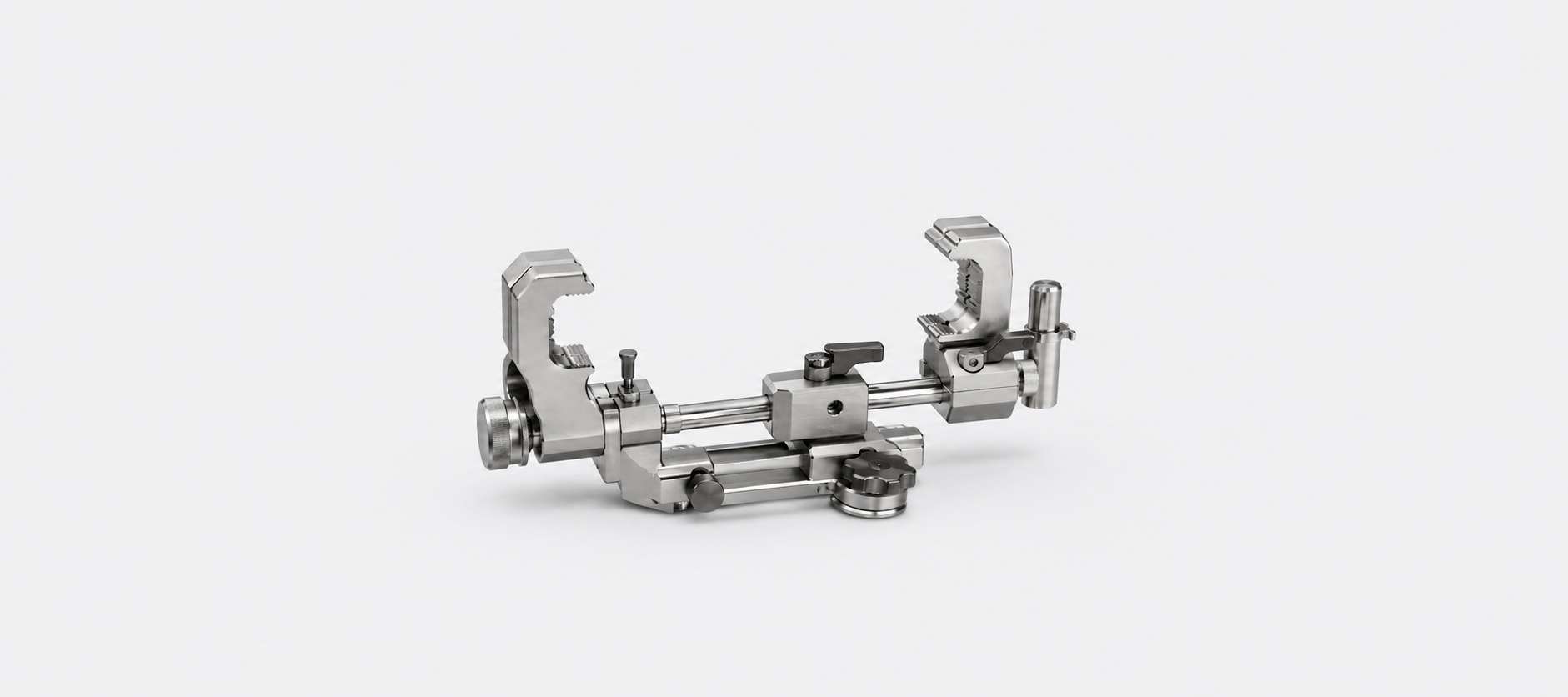
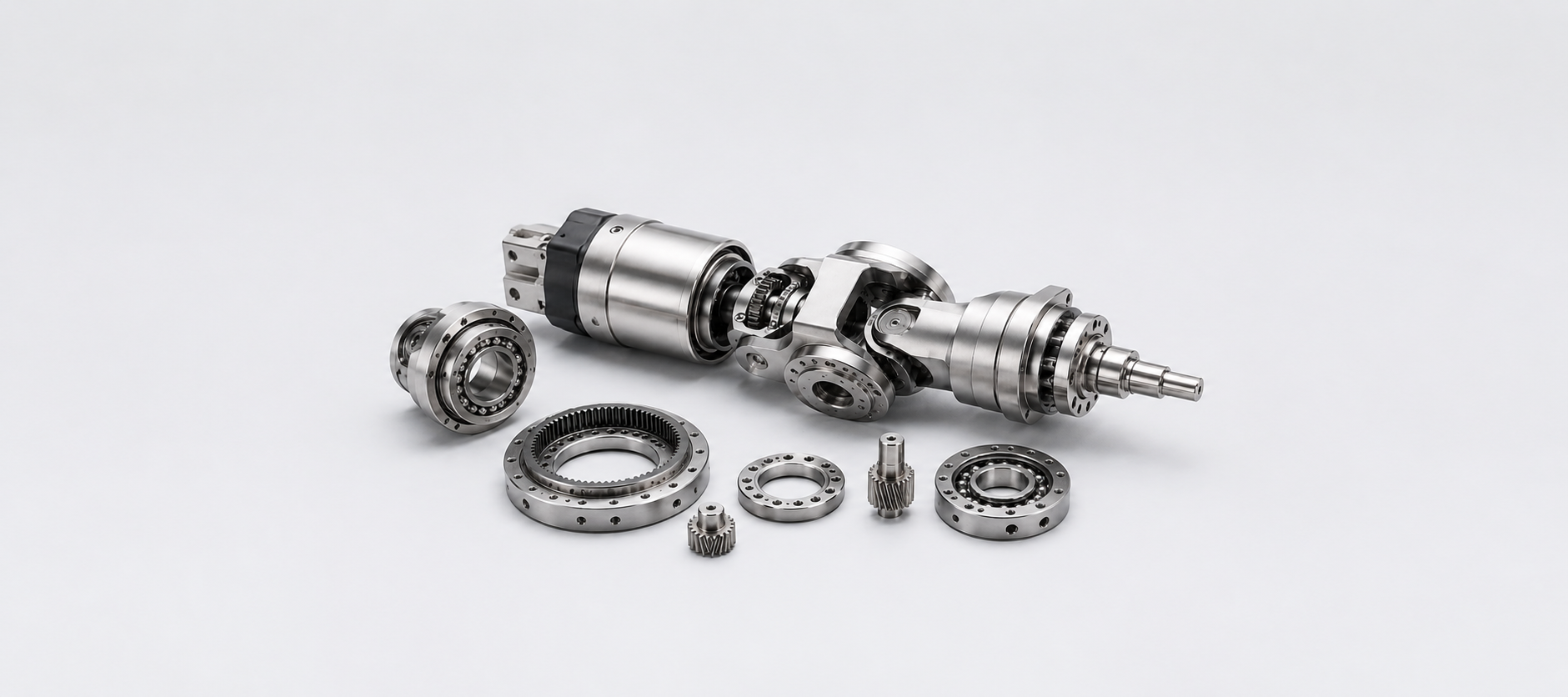
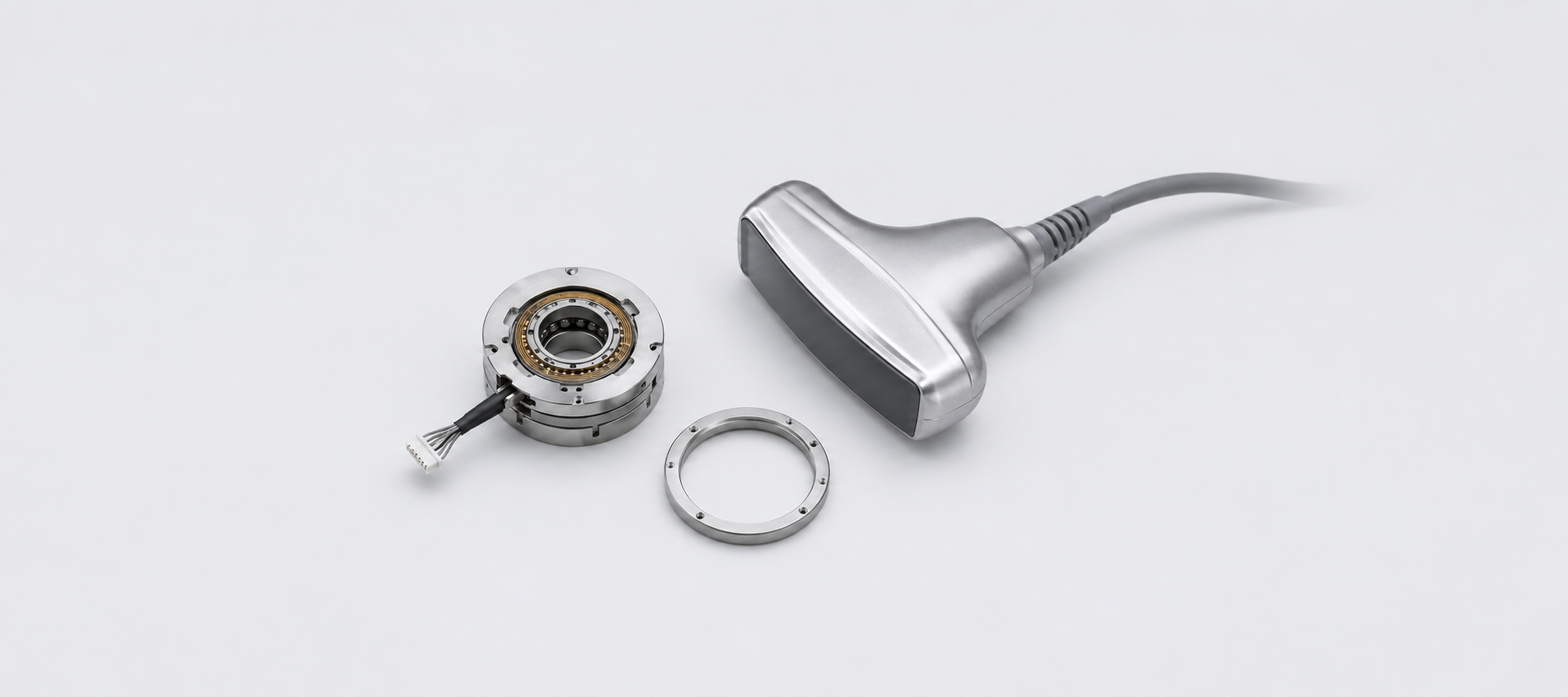
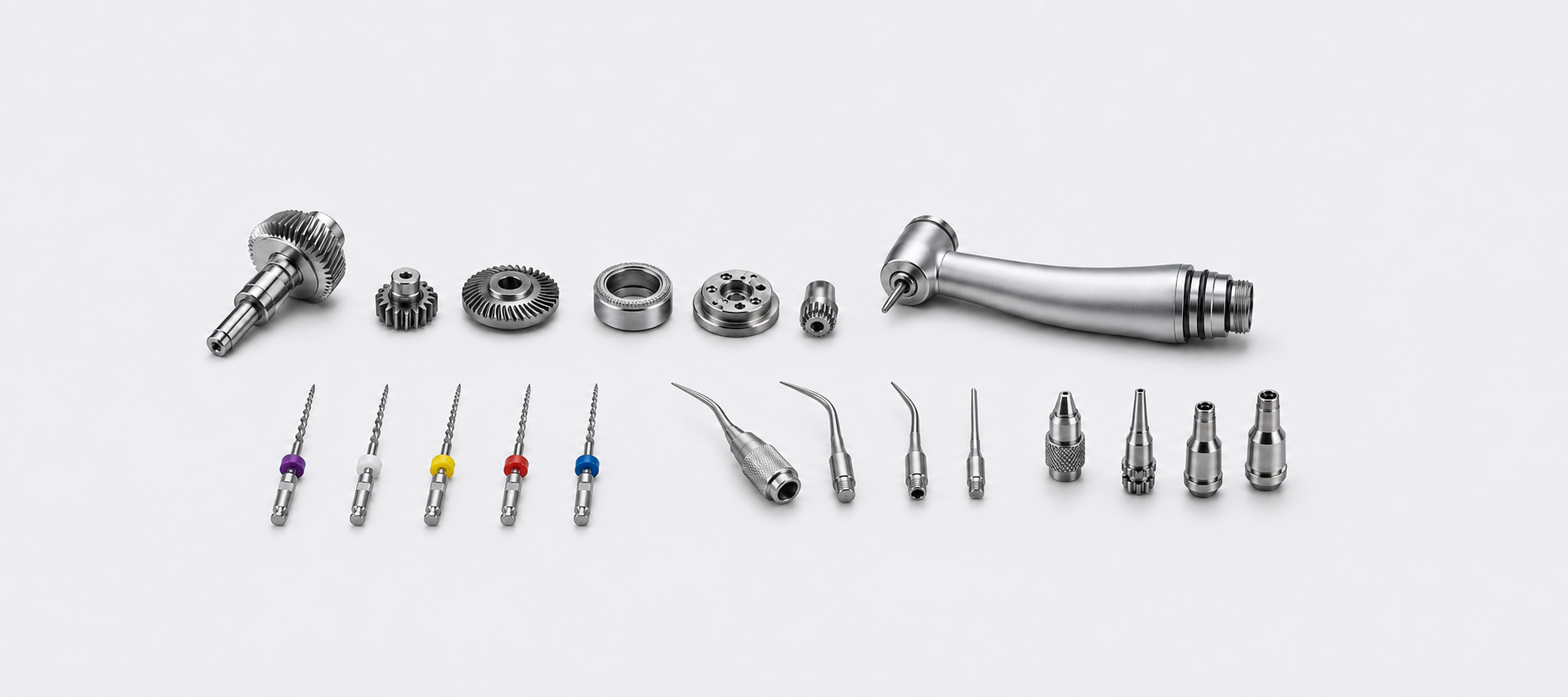
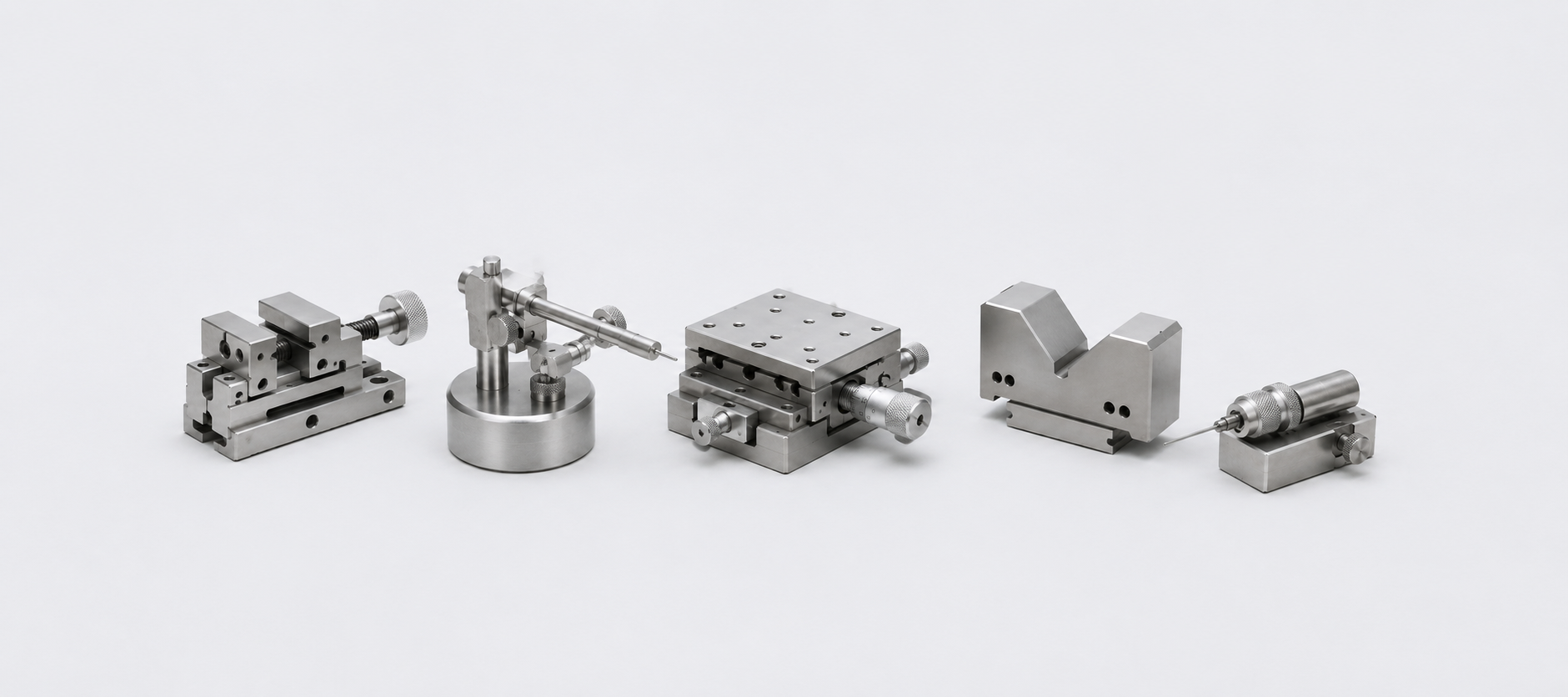
Amorphous alloys can be applied in the following medical device application directions:
These concise answers help medical device engineers, designers and sourcing teams understand where amorphous alloys can create value in precision medical applications.
Ask a Technical QuestionAmorphous alloys, also known as metallic glasses, can provide a unique combination of high hardness, elastic limit, corrosion resistance, dimensional stability and non-magnetic performance. These properties make them suitable for precision medical components requiring durability, reliability and complex geometries.
Potential applications include minimally invasive surgical instruments, laparoscopic forceps heads, stapler components, surgical power system gears, MRI-compatible tools, CT collimator blades, dental instruments, sterilization trays and other precision medical components.
Yes. Their high hardness, wear resistance and near-net-shape forming capability allow the production of sharp cutting edges, complex clamp structures and miniature precision components. These advantages can improve instrument durability and maintain consistent performance during repeated use.
Selected amorphous alloy systems have excellent non-magnetic properties, which can reduce interference in magnetic environments. This makes them suitable for MRI-compatible tools, fixtures and surgical accessories used around sensitive imaging systems.
Many amorphous alloy systems offer strong corrosion resistance and surface stability, allowing evaluation for repeated cleaning and sterilization conditions including high-temperature and high-pressure environments. Final suitability depends on the selected alloy, component design and sterilization requirements.
Certain amorphous alloy systems can be evaluated for implant-related applications due to their corrosion resistance, mechanical properties and potential biocompatibility. Material selection requires detailed evaluation according to implant duration, regulatory requirements and clinical application.
Yes. Amorphous Alloys can support medical device projects through application evaluation, material selection, precision molding, prototype development, dimensional inspection and production process planning. Engineering requirements are reviewed before selecting the most suitable manufacturing approach.
Validation plans may include dimensional inspection, surface analysis, hardness testing, corrosion evaluation, wear testing, mechanical performance verification, sterilization assessment and customer-specific qualification requirements. Testing is defined according to the final medical application.
Share your medical application, component design, performance targets and qualification requirements. Our engineering team can evaluate material selection, precision manufacturing feasibility and the next development step for your medical device project.