
High Elastic Limit
Elastic strain of 2%–2.5% with excellent energy storage capability.
Golf club rebound · Bow energy storage · Sports cushioningFaster. Higher. Stronger.
Amorphous alloys enable next-generation sports equipment with high specific strength, excellent elastic performance, superior hardness and corrosion resistance—helping manufacturers achieve lighter, stronger and more durable components.
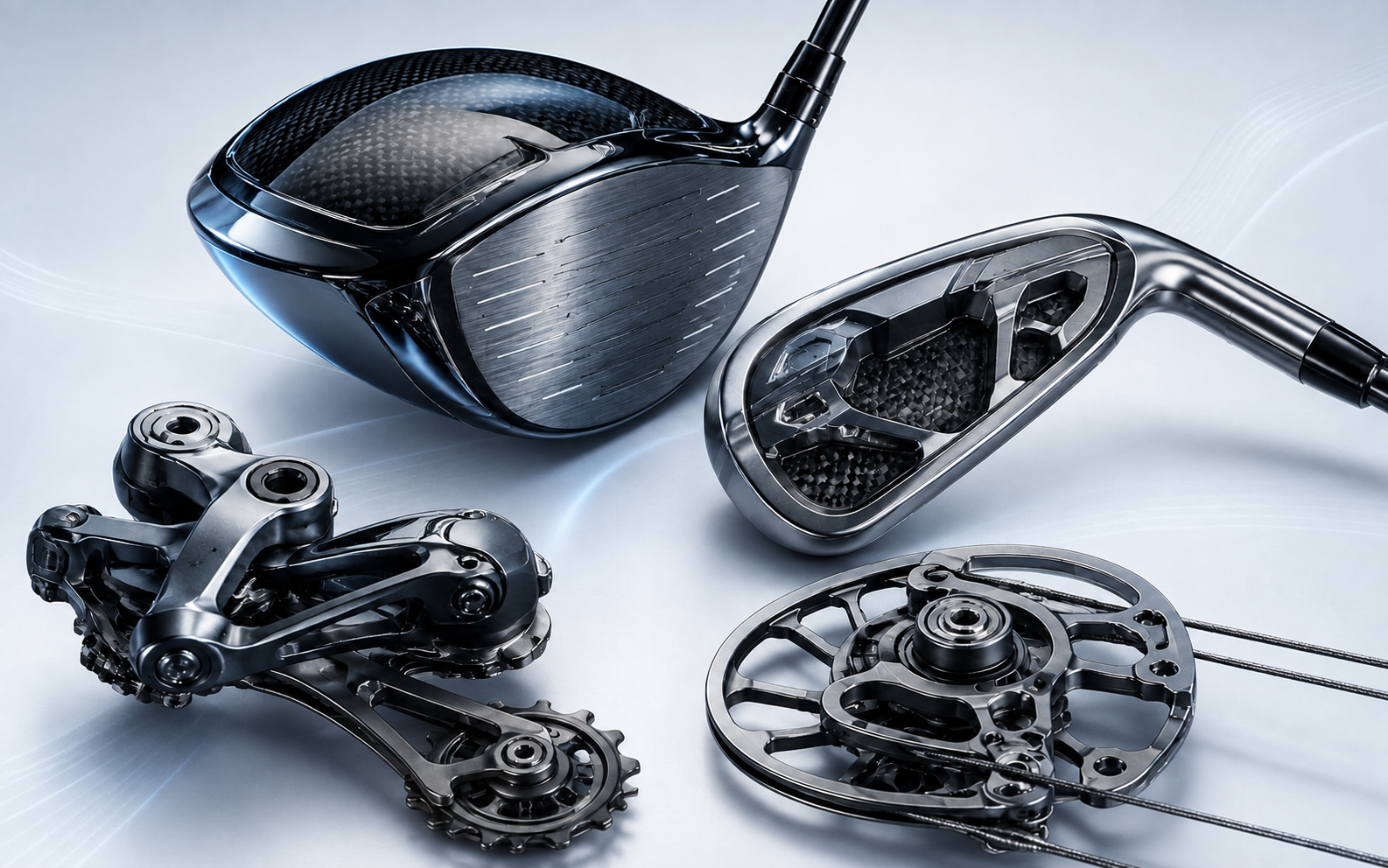
The design goals of high-end sports equipment have always revolved around four words: faster, higher, stronger. Whether it is the rebound efficiency of a golf club, the power transfer of a tennis racket, or the impact resistance and corrosion resistance of outdoor gear, traditional materials such as titanium alloys, carbon fiber, and stainless steel have, in some aspects, approached their physical limits.
Amorphous alloys (metallic glass), with their high elastic limit, high specific strength, high hardness, and excellent corrosion resistance, are becoming key materials for the next generation of competitive and high-end sports equipment.
Final material selection depends on component geometry, mechanical requirements, operating conditions, manufacturing feasibility and production targets. Amorphous Alloys evaluates each application through an engineering review rather than recommending a universal material replacement.
The core advantages and characteristics of amorphous alloys in high-end sports equipment.
Elastic strain of 2%–2.5% with excellent energy storage capability.
Golf club rebound · Bow energy storage · Sports cushioningStrength-to-density ratio exceeding titanium alloys and stainless steel.
Lightweight design · Higher maneuverability · Performance equipment550–700 HV hardness with a low friction coefficient for long service life.
Skis · Bearings · Pulley grooves · Wear-resistant partsControlled plastic deformation capability provides improved impact resistance.
Helmets · Protective equipment · Cycling accessoriesNo grain boundaries, resistant to sweat, seawater and salt spray environments.
Outdoor equipment · Water sports · Long durabilityExtremely low magnetic permeability for compatibility with electronic sensors.
Smart sports devices · Sensor compatibilityPrecision forming enables complex curved and thin-wall structures.
Special-shaped springs · Integrated structuresBalanced density and metallic texture create a high-end product experience.
Sports accessories · Premium equipment · Product differentiationSix application groups connect amorphous alloy material advantages with sports equipment implementation and product performance improvements.
| Advantages of Amorphous Alloys | Specific Products | Product Advantages |
|---|---|---|
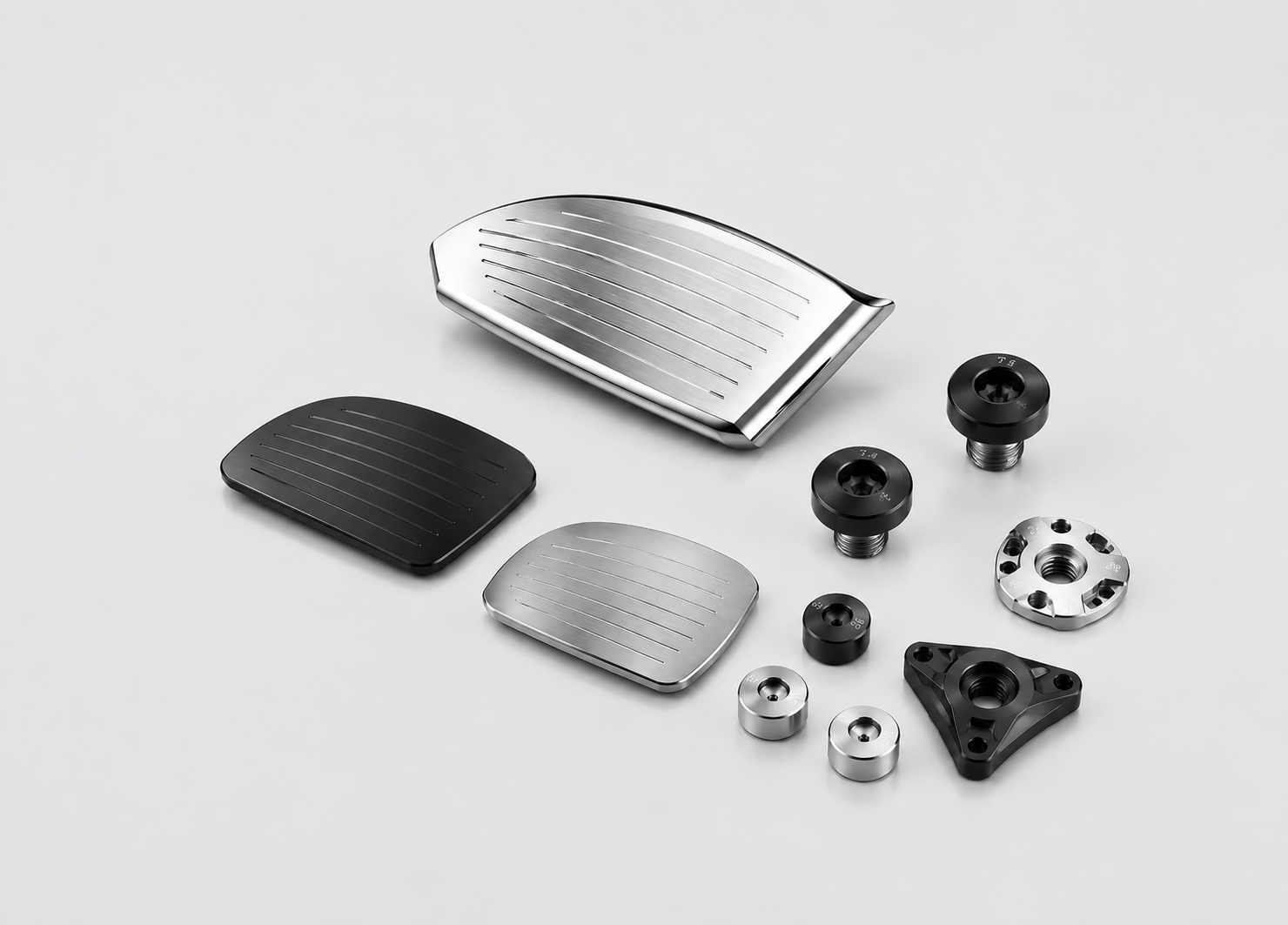
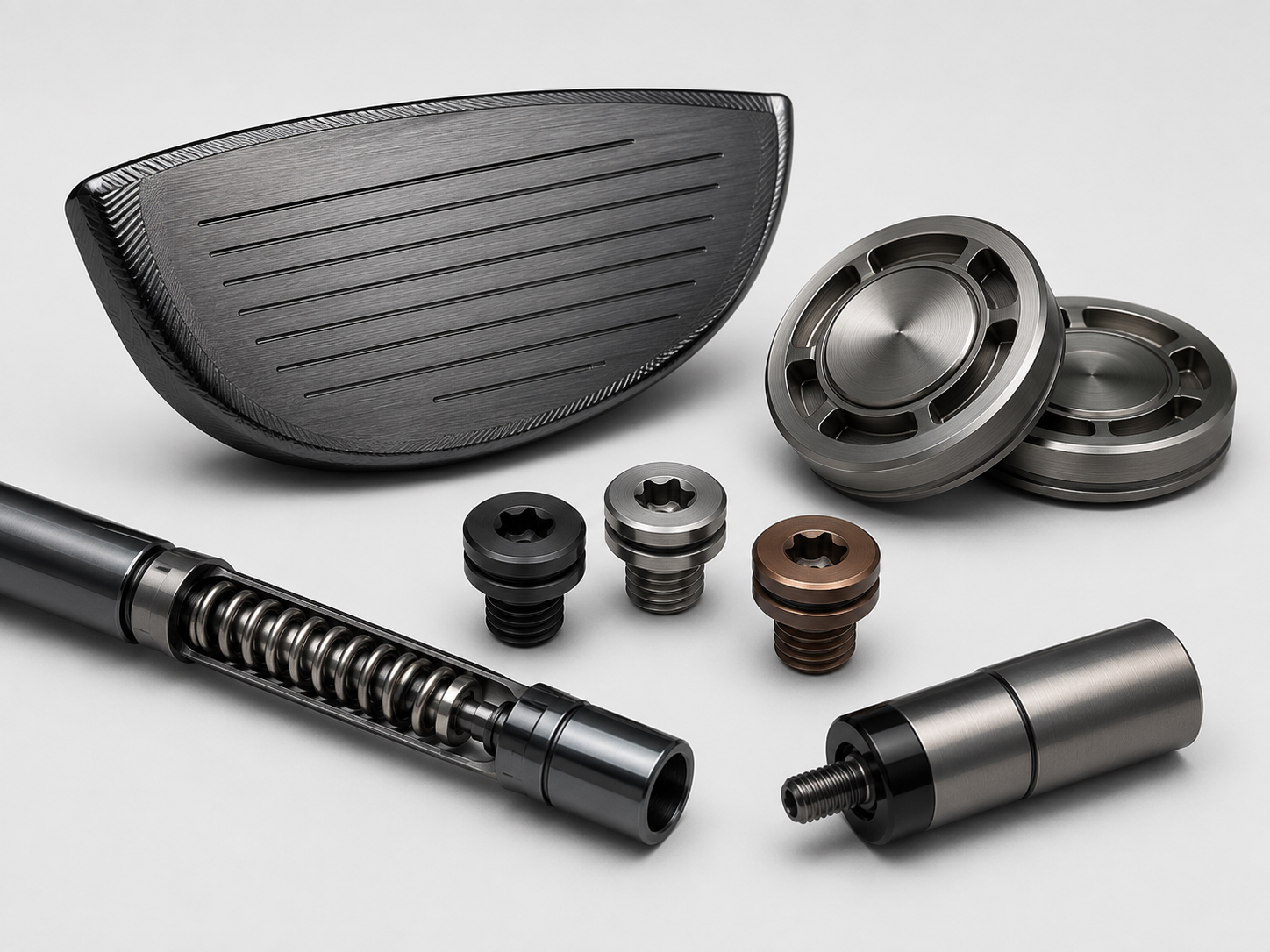
| High Elastic Limit | Face Inserts | Increase the coefficient of restitution (COR) when hitting the ball, extending shot distance. |
| High Density, Easy to Counterweight | Putter Weights / Club Head Weights | Low center of gravity design, improving forgiveness and putting stability. |
| High Hardness, Durable | Face Surface | Clubface does not deform after long-term use, rebound performance does not degrade. |
| Near Net Shape Forming | Special-Shaped Weights, One-Time Forming | Save CNC costs, enabling complex center of gravity distribution. |
| Advantages of Amorphous Alloys | Specific Products | Product Advantages |
|---|---|---|
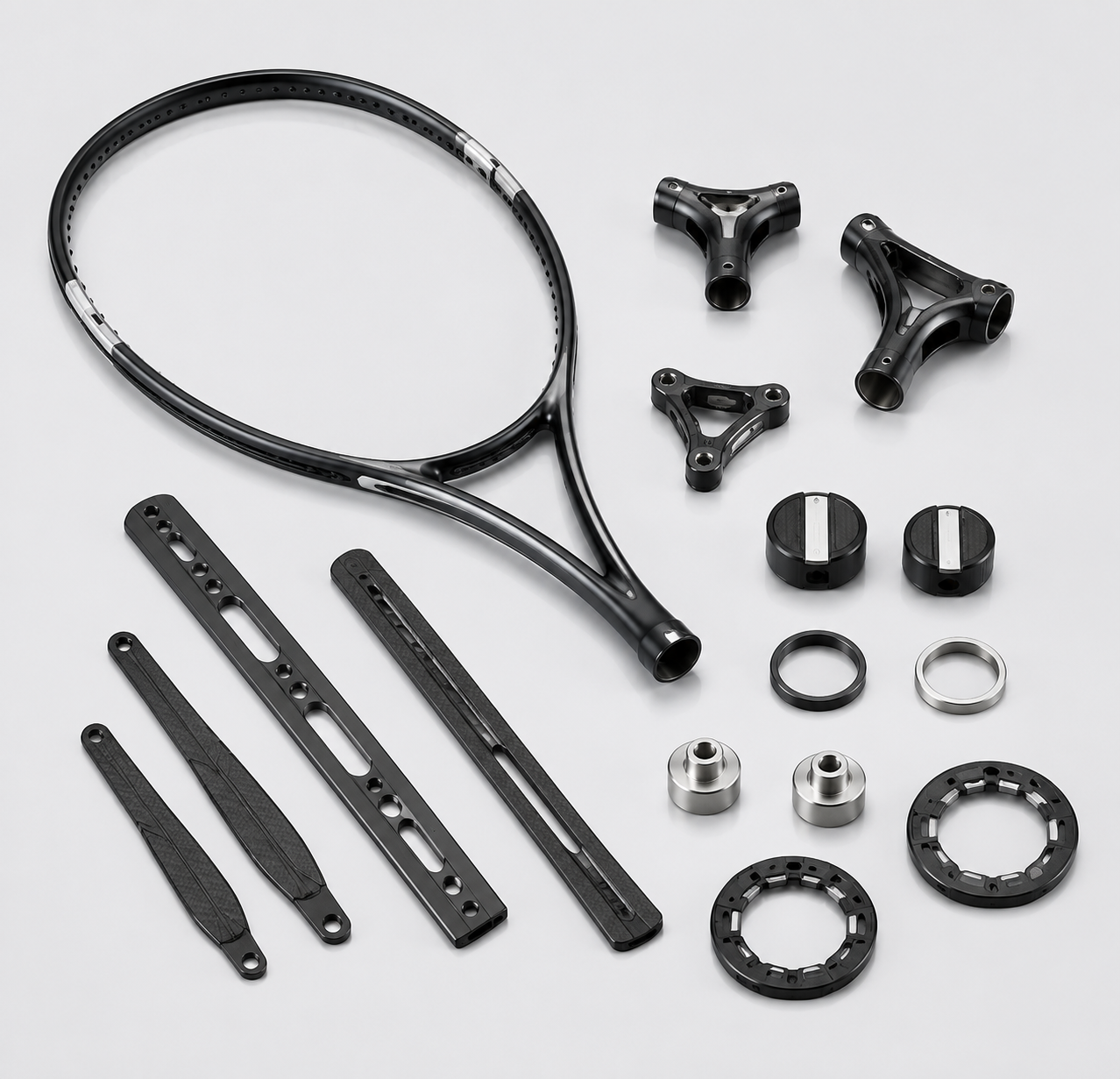
| High Specific Strength | Partial reinforcement parts for the racket frame | Enhances torsional rigidity without increasing weight. |
| High Elasticity | Shock-absorbing modules or energy-absorbing structures | Reduces impact vibration and protects the arm. |
| High Hardness | Stringing hole protective rings | Maintains shape during long-term stringing and reduces string wear. |
| Non-Magnetic | Components near electronic scoring or Hawk-Eye systems | Compatible with tournament-level equipment. |
| Advantages of Amorphous Alloys | Specific Products | Product Advantages |
|---|---|---|
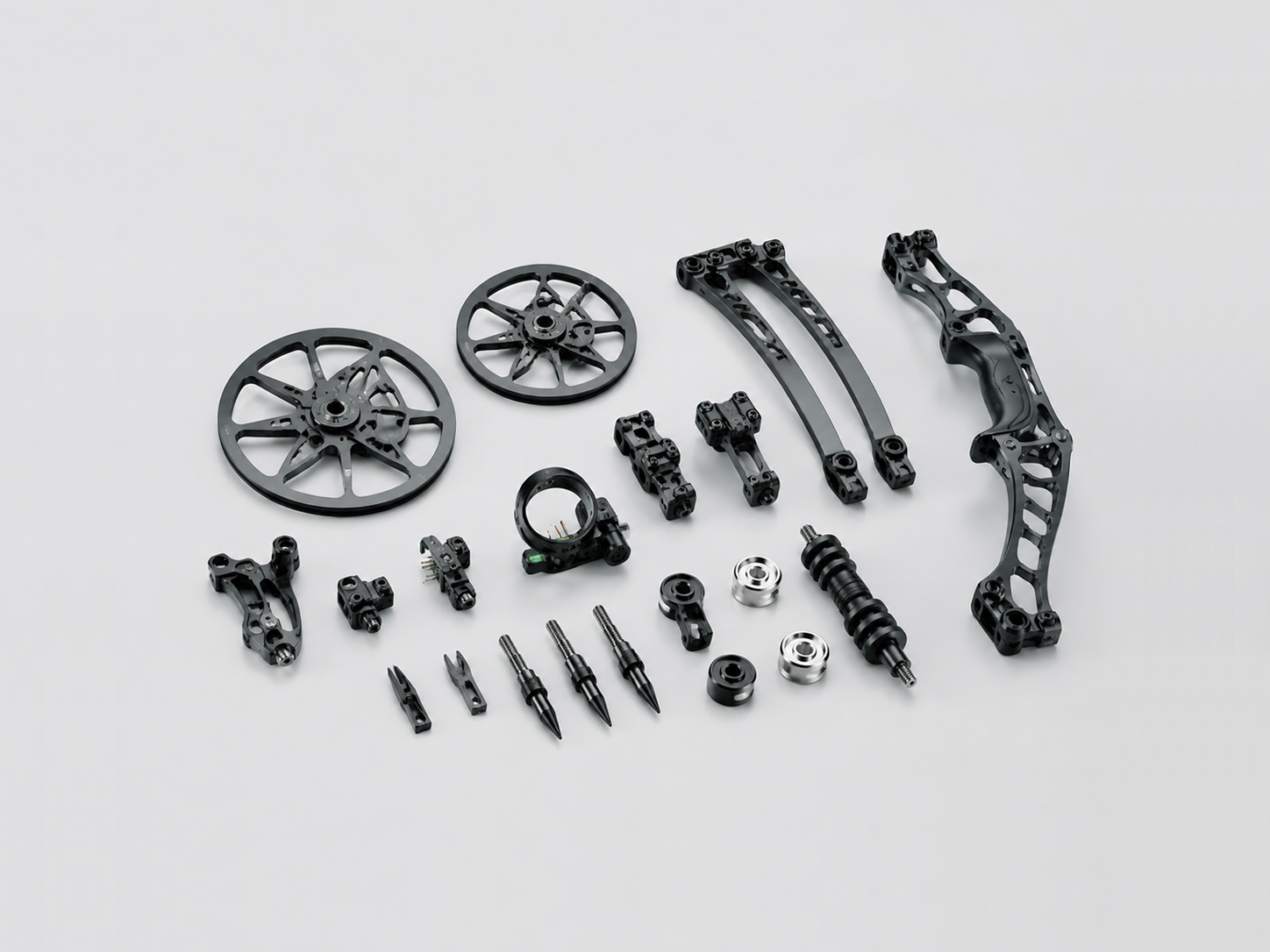
| High Specific Strength & Rigidity | Eccentric wheels, bow limb mounts | Reduces deformation and improves energy transfer efficiency. |
| High Hardness & Wear Resistance | Arrow rest contacts, trigger parts | Enables long-term use without wear, ensuring consistent release performance. |
| Near-Net Shape Forming | Special-shaped eccentric wheels formed in one piece | Complex curved pulley sets do not require multi-axis CNC machining. |
| Non-Magnetic | Components near magnetic arrow rests or electronic sights | Suitable for high-end electronic assist systems. |
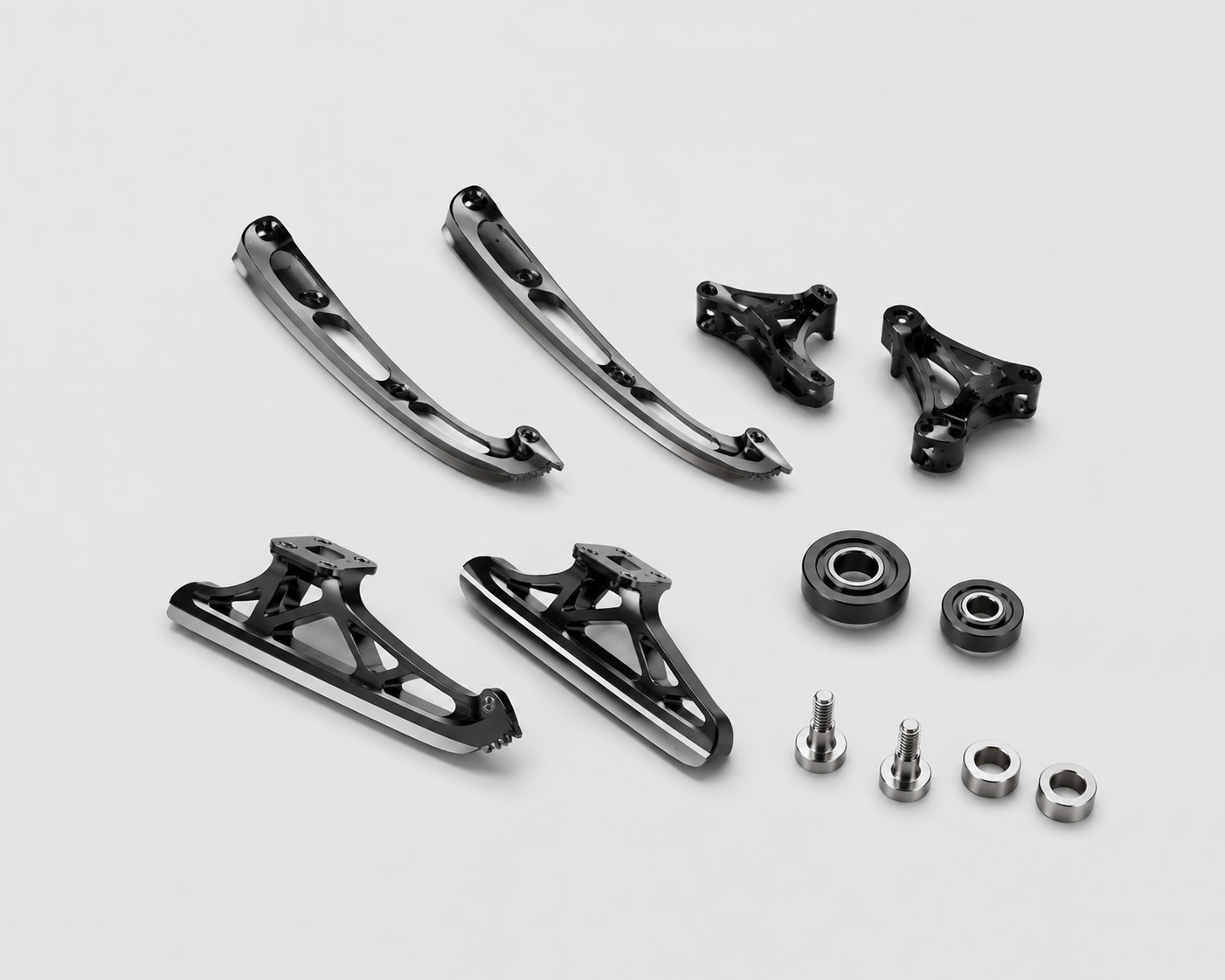
| Advantages of Amorphous Alloys | Specific Products | Product Advantages |
|---|---|---|
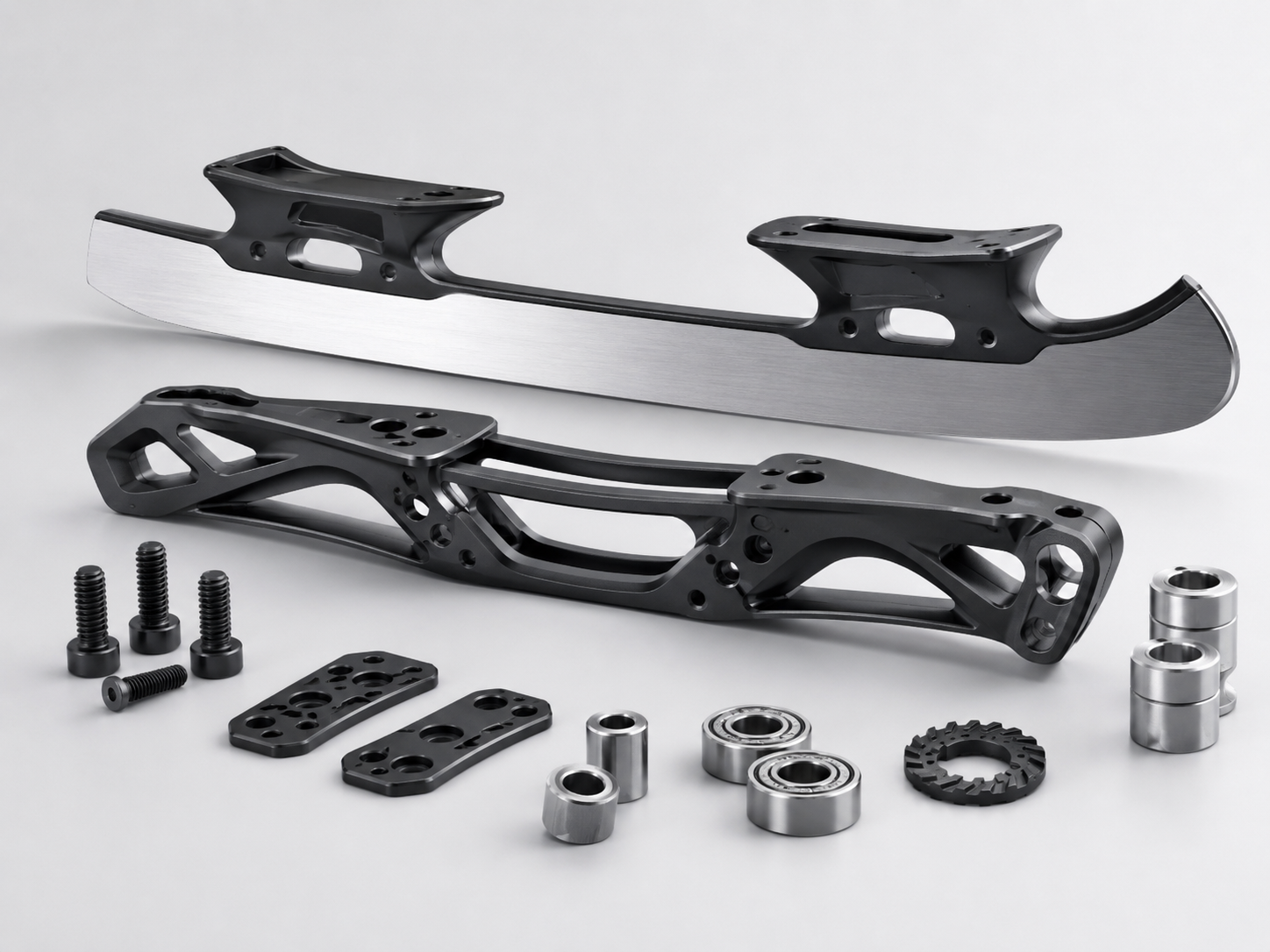
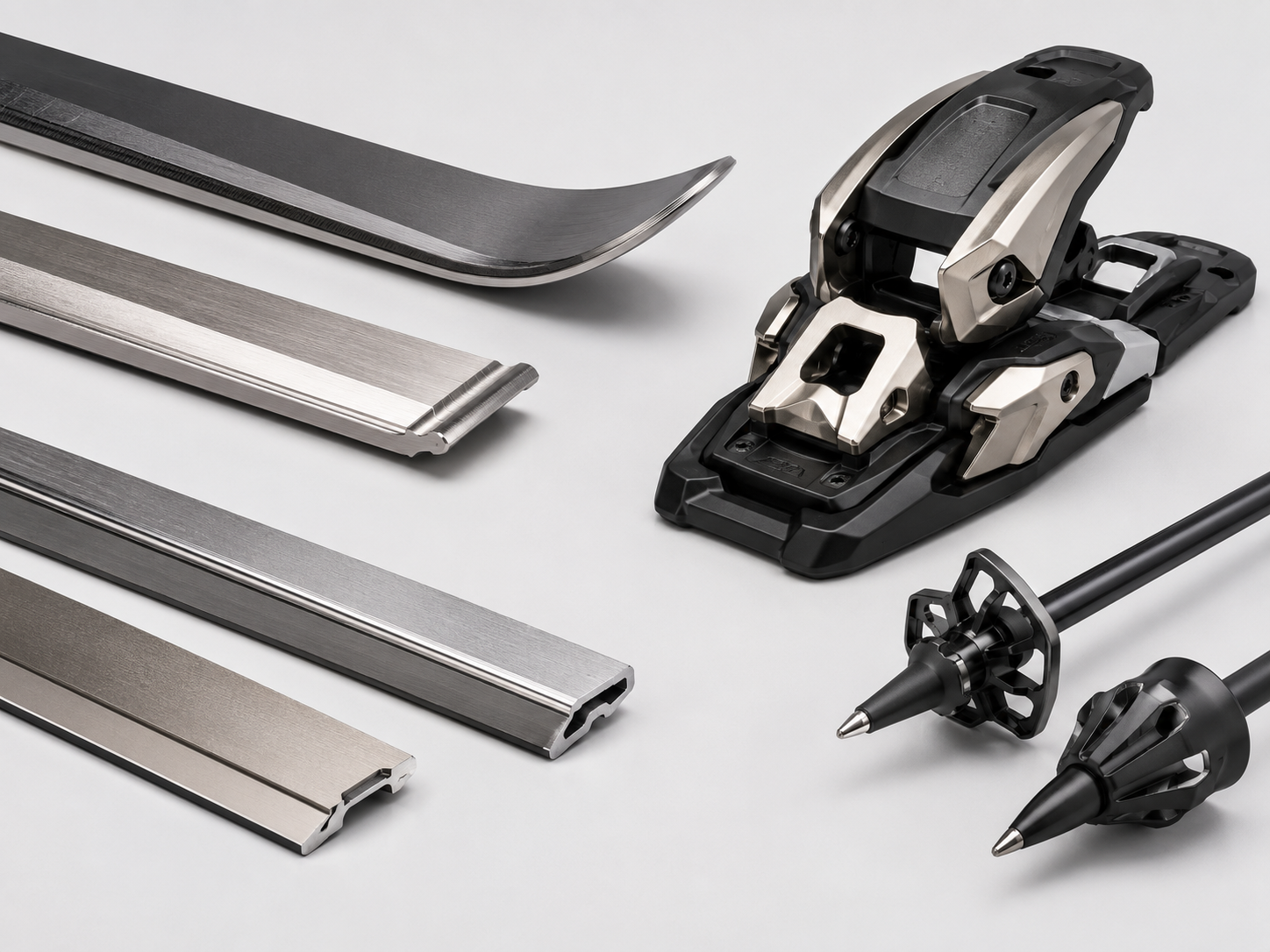
| High Hardness & Wear Resistance | Ice skate blades, snowboard steel edges | Long-lasting sharpness, reducing the frequency of sharpening. |
| Corrosion Resistance | Components exposed to ice, snow and melted saltwater | Does not rust and requires minimal maintenance. |
| High Specific Strength | Bindings and base plates | Lightweight while ensuring safety. |
| Near-Net Shape Forming | Complex buckles and connectors formed in one piece | Reduces processing costs and improves fitting accuracy. |
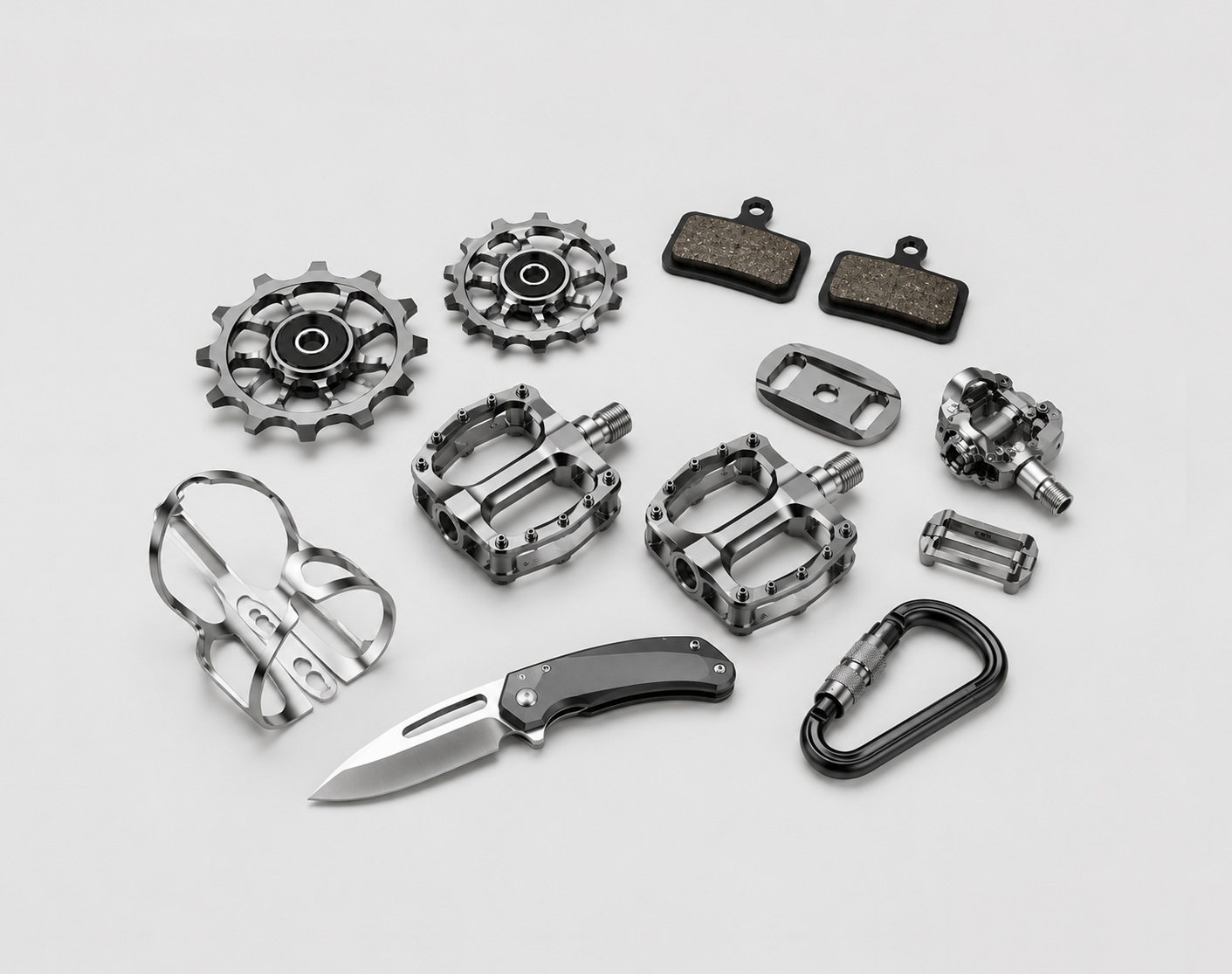
| Advantages of Amorphous Alloys | Specific Products | Product Advantages |
|---|---|---|
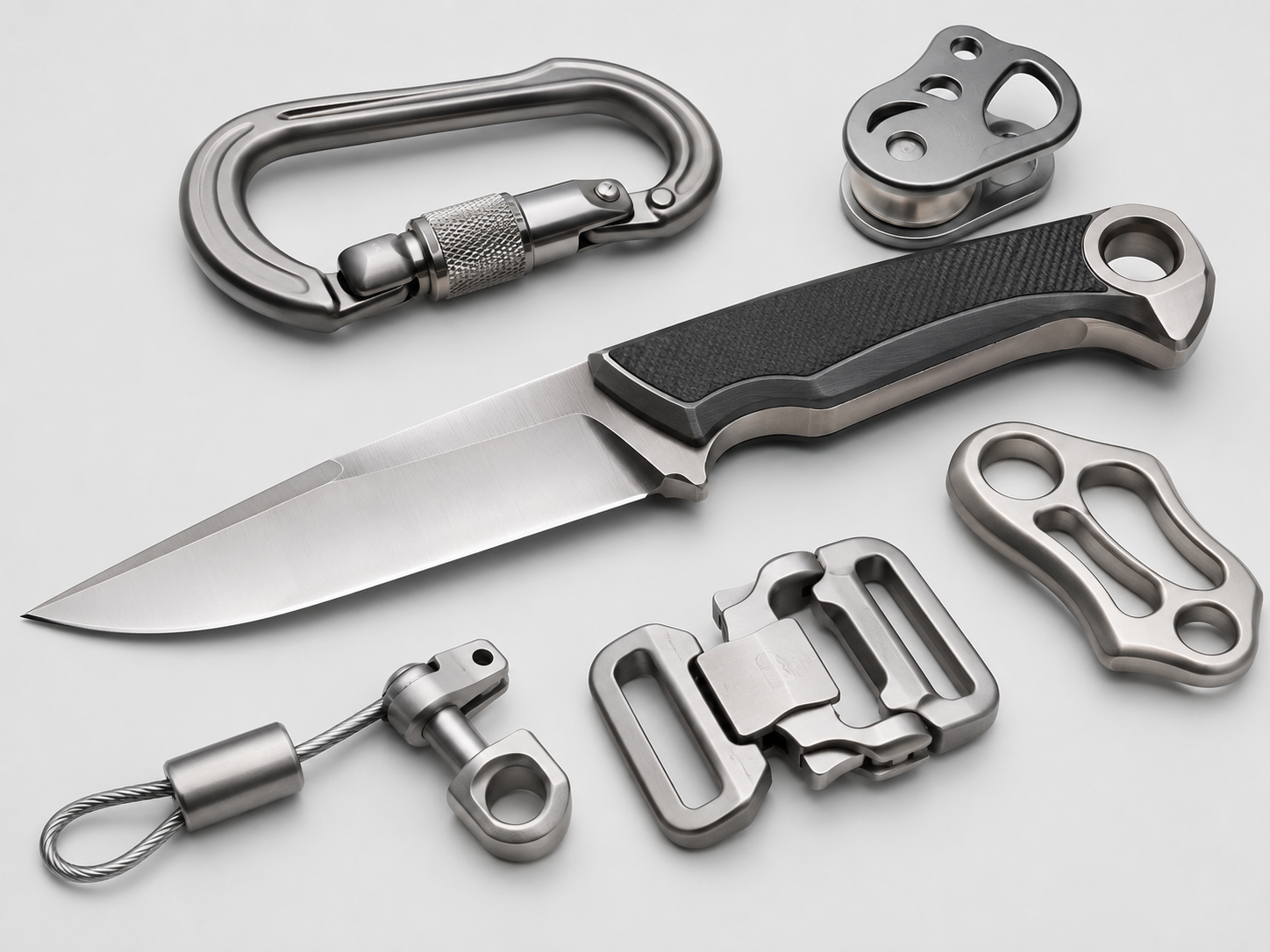
| High Hardness & Wear Resistance | Transmission guide wheel, brake pads | Reduces chain wear and lowers brake noise. |
| High Specific Strength | Pedal axle, climbing buckle | Lightweight and high strength, reducing weight while ensuring safe load. |
| Impact Toughness | Helmet frame, protective gear pieces | Disperses impact energy and enhances protection. |
| Corrosion Resistance | Outdoor knives, water bottle holder | Resistant to sweat, rain and seawater, suitable for long-term outdoor use. |
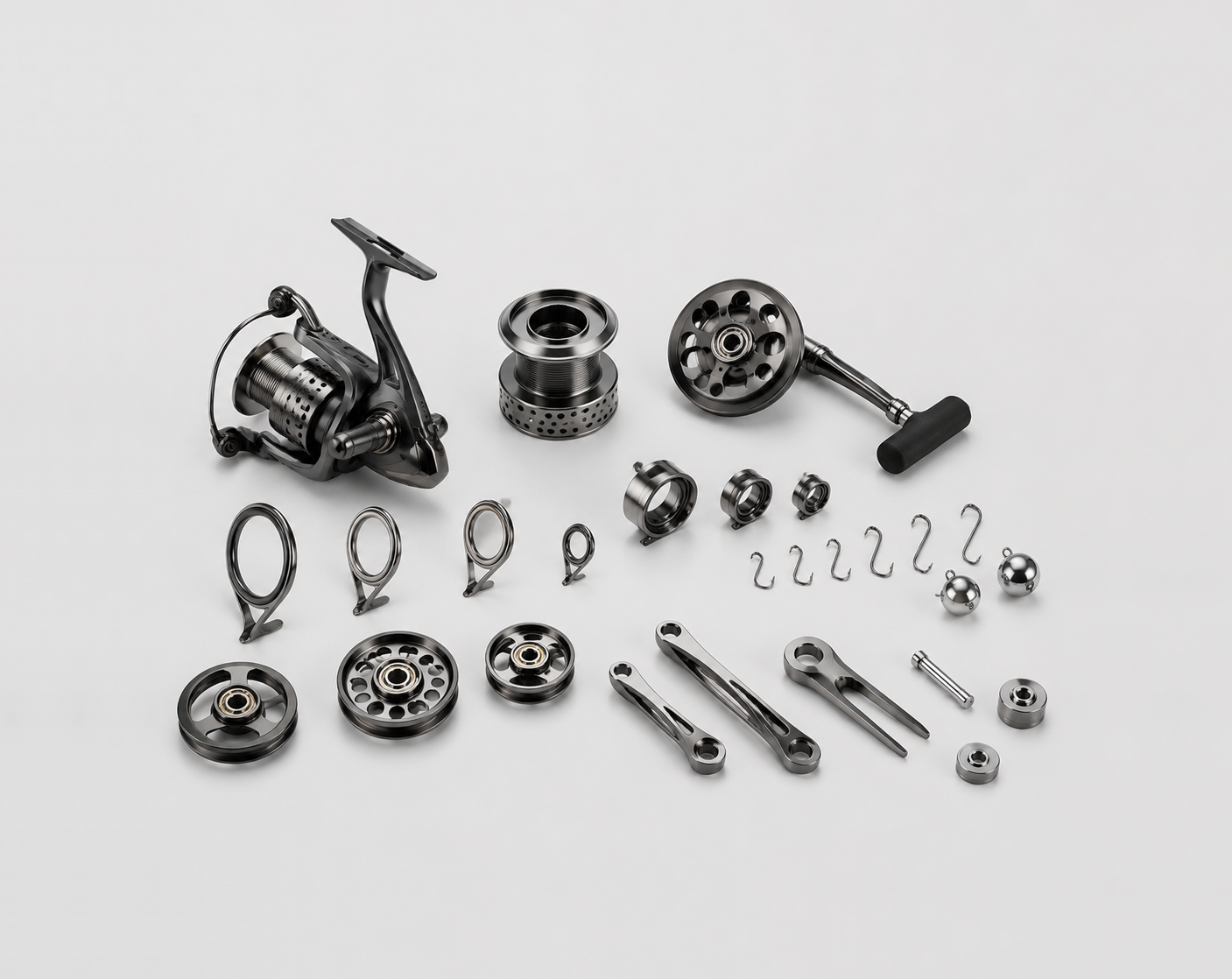
| Advantages of Amorphous Alloys | Specific Products | Product Advantages |
|---|---|---|
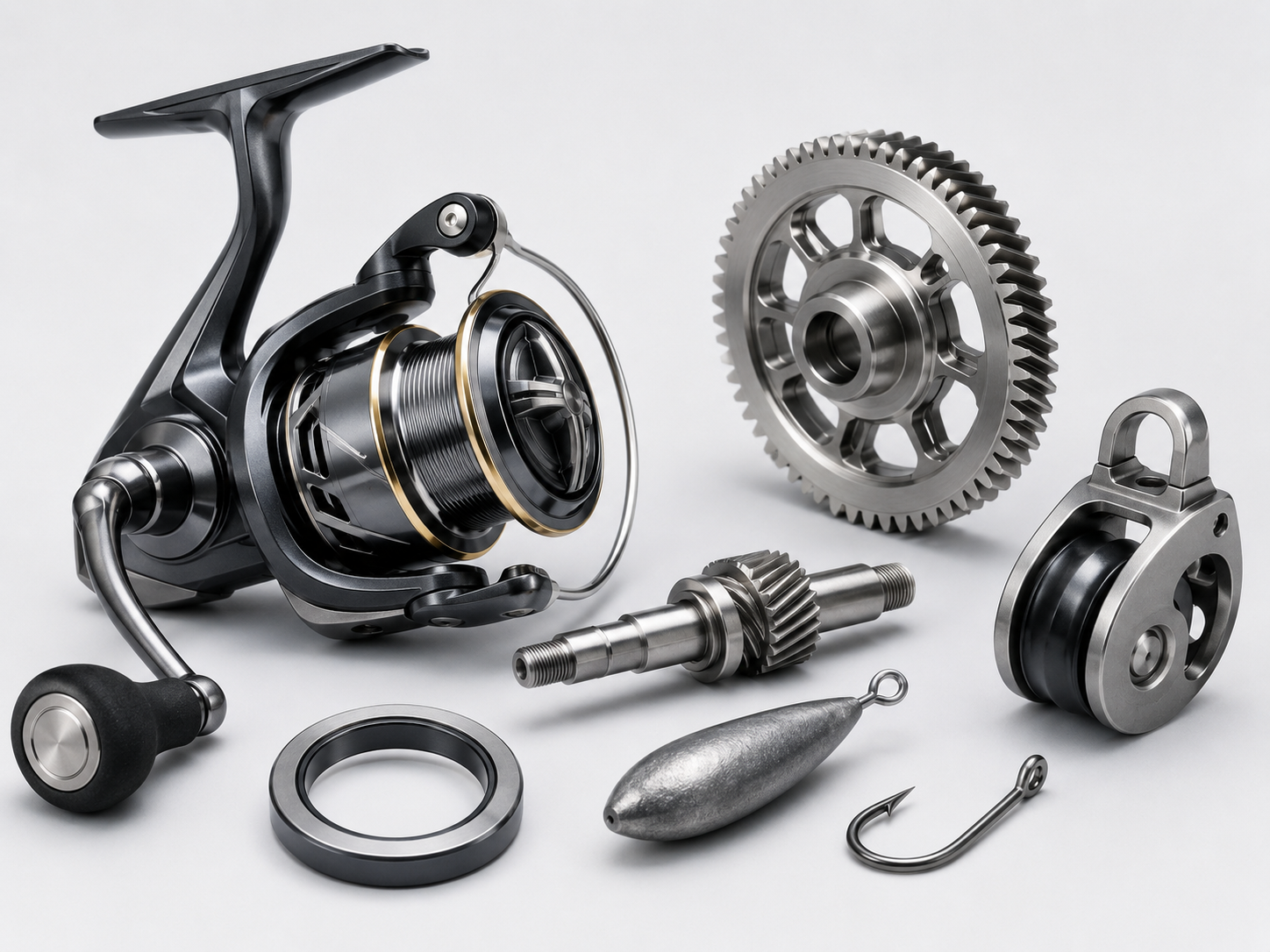
| High Hardness & Wear Resistance | Fishing reel gears, line guide inner rings | Reduces friction, increases casting smoothness and extends service life. |
| Corrosion Resistance | Components for seawater environments | Corrosion-resistant, requiring less frequent cleaning and maintenance. |
| High Specific Strength | Fishing reel main frame | Reduces weight while maintaining structural rigidity. |
| Non-Magnetic Performance | Components near fish finders or magnetic hook bite alarms | Compatible with electronic fish-finding devices. |
This table compares traditional material limitations with amorphous alloy solutions and their performance advantages across key high-end sports applications.
| Product Categories | Traditional Materials | Main Defects of Traditional Materials | Amorphous Alloy Solutions | Core Advantages |
|---|---|---|---|---|
| Golf Club Faces | Titanium Alloy | Fixed elastic limit, thickness difficult to reduce | Amorphous Alloy Clubface | Higher COR, increases hitting distance |
| Tennis Racket Reinforcement Plates | Carbon Fiber / Titanium | Insufficient torsional stiffness | Amorphous Alloy Triangular Reinforcement Part | Increases torsional resistance by 20% without adding weight |
| Composite Bow Cam | Aluminum Alloy | Long-term deformation, decreased accuracy | Amorphous Alloy Wheelset | Long-term dimensional stability, high energy retention |
| Ice Skate / Ski Blades | Carbon Steel / Stainless Steel | Prone to rust, frequent sharpening | Amorphous Alloy Edge | Wear-resistant + corrosion-resistant + long-lasting sharpness |
| Transmission Idler Pulley | Aluminum Alloy / Plastic | Fast wear, high noise | Amorphous Alloy Guide Wheel | Wear-resistant and noise-reducing, extended chain life |
| Fishing Reel Gears | Brass / Stainless Steel | Seawater corrosion, wear | Amorphous Alloy Gear | Resistant to seawater corrosion + no lubrication needed |
Technical performance is alloy- and process-specific. Published or project values should not be treated as universal without material verification and component-level testing.
This comparison highlights the mechanical, durability, forming and cost characteristics that influence material selection for high-performance sporting goods.
| Performance Indicators | Amorphous Alloy (Zr/Ti-based) | Titanium Alloy TC4 | 6061 Aluminum Alloy | 17-4PH Stainless Steel | Carbon Fiber Composites |
|---|---|---|---|---|---|
| Elastic Limit | 2%–2.5% | 0.80% | 0.70% | 0.80% | 1%–1.5% |
| Specific Strength | High | Medium–high | Medium | Medium–low | Extremely High (Directional) |
| Hardness (HV) | 550–650 | 350 | 60 | 350 | Low (Requires Coating) |
| Wear Resistance | Excellent | Good | Poor | Good | Poor |
| Resistance to Seawater Corrosion | Excellent | Excellent | General | Average (pitting) | Excellent |
| Complex Forming Capability | Near-net shape forming | Poor | Moderate | Poor | Molded Formation |
| Non-magnetic | Yes | Weak magnetism | Yes | Weak magnetism | Yes |
| Cost Level | Medium–high | High | Low | Medium | High |
In the field of high-end sports equipment, amorphous alloys are not a simple replacement for traditional materials, but provide a unique combination of high elastic energy storage, ultra-high wear resistance, complex precision forming and extreme environmental durability.
Making equipment more "springy": high elastic limits translate into higher energy return, providing better dynamic performance for hitting, releasing and sliding movements.
Making equipment more "durable": high hardness and corrosion resistance significantly extend the lifespan of wear parts such as edges, gears and rails, reducing maintenance frequency for intensive use.
Making designs more "flexible": near-net-shape forming enables complex mechanical optimization structures such as special-shaped counterweights, curved springs and integrated transmission components without increasing weight.
Our role is to help sports equipment engineers and manufacturers identify where amorphous alloys can improve energy return, structural performance, wear resistance and design flexibility—and where conventional materials remain the better choice.
About Amorphous AlloysLong-term focus on amorphous alloy research, development and precision manufacturing.
Material evaluation based on elastic limit, hardness, wear resistance and specific strength requirements.
Supporting alloy selection, structural optimization, mold development, precision forming and production coordination.
Supporting high-end sports equipment manufacturers with engineering communication and production solutions worldwide.
Amorphous alloys can be applied in the following high-end sports equipment application directions:
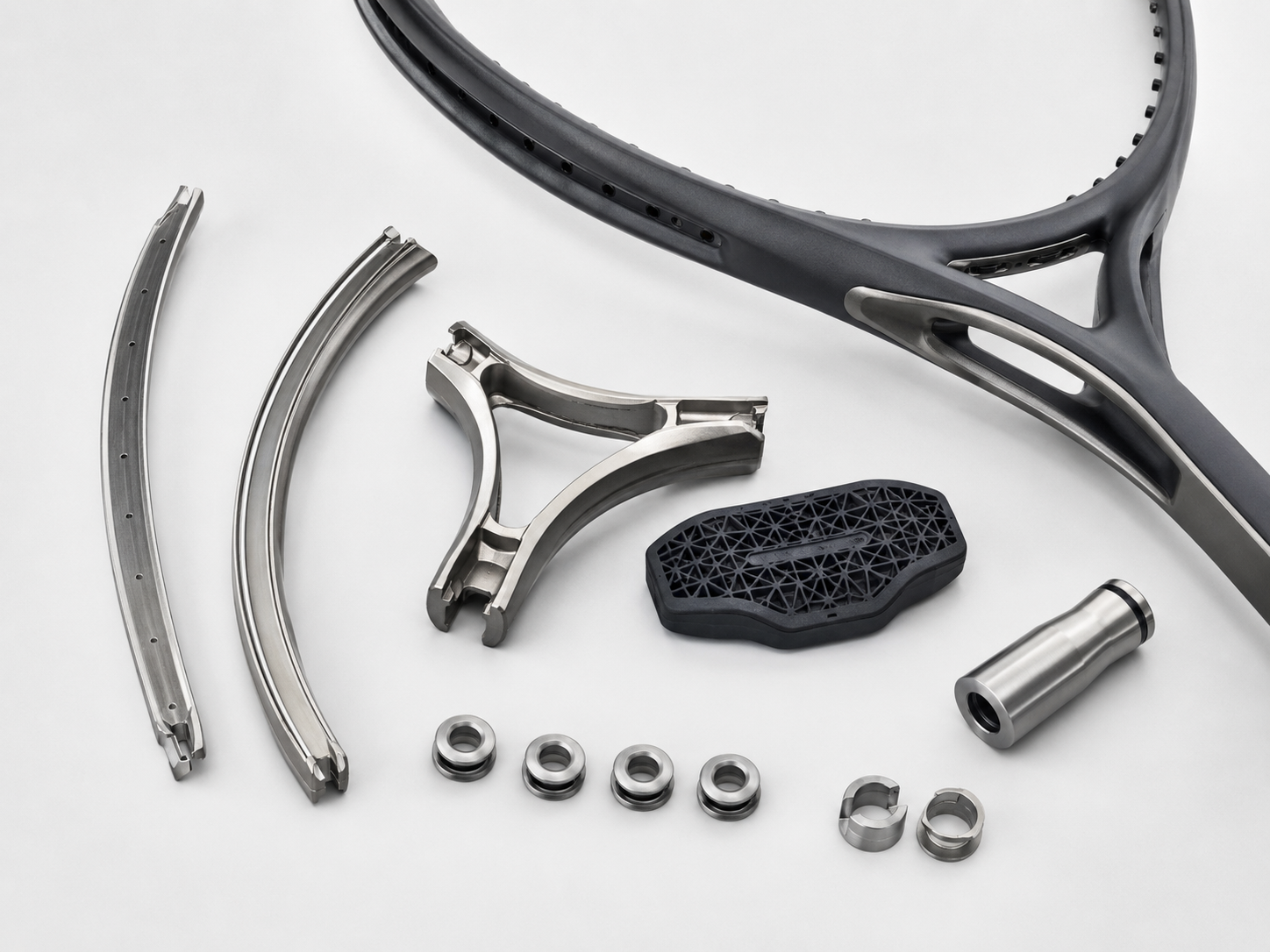
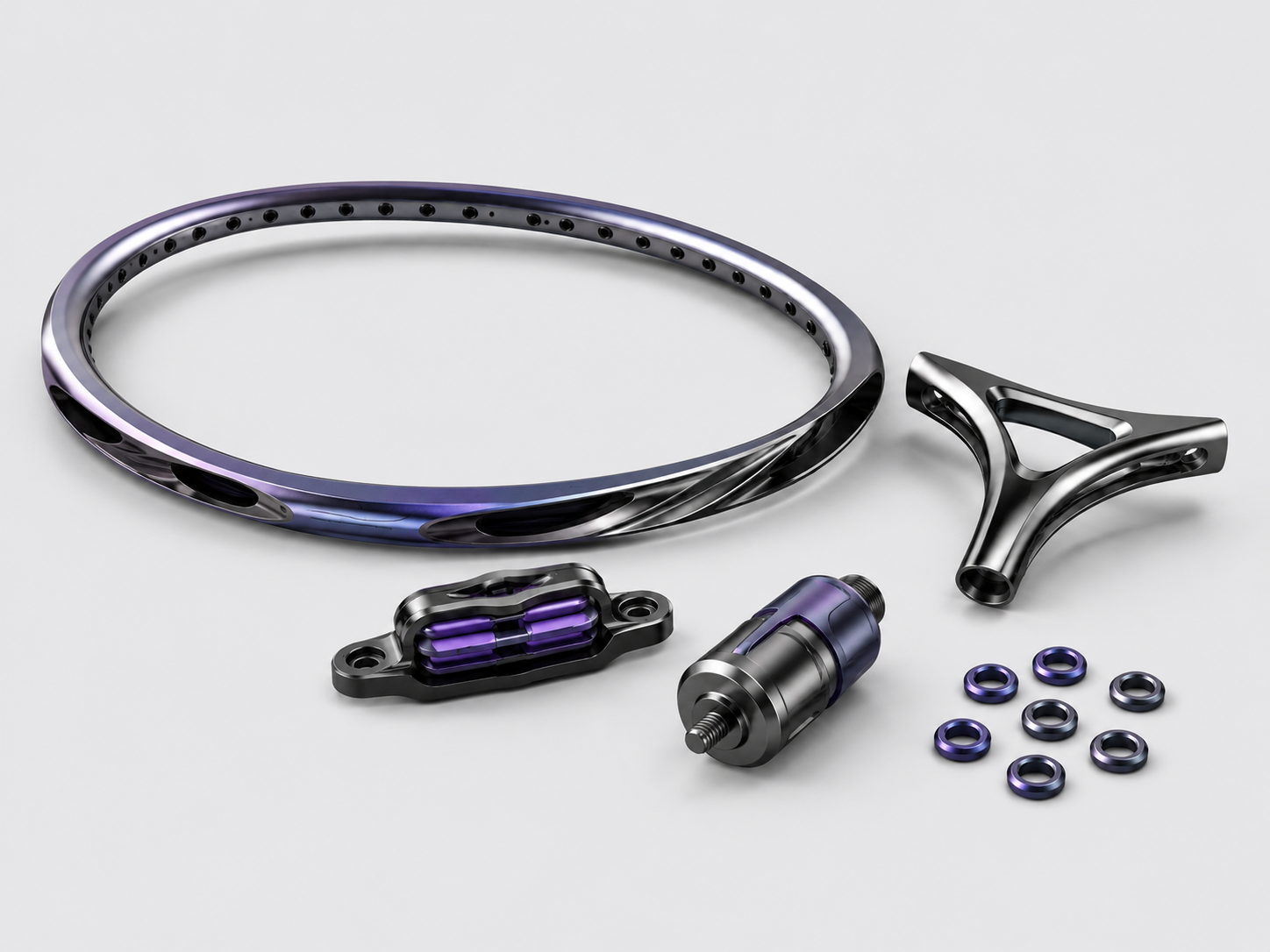
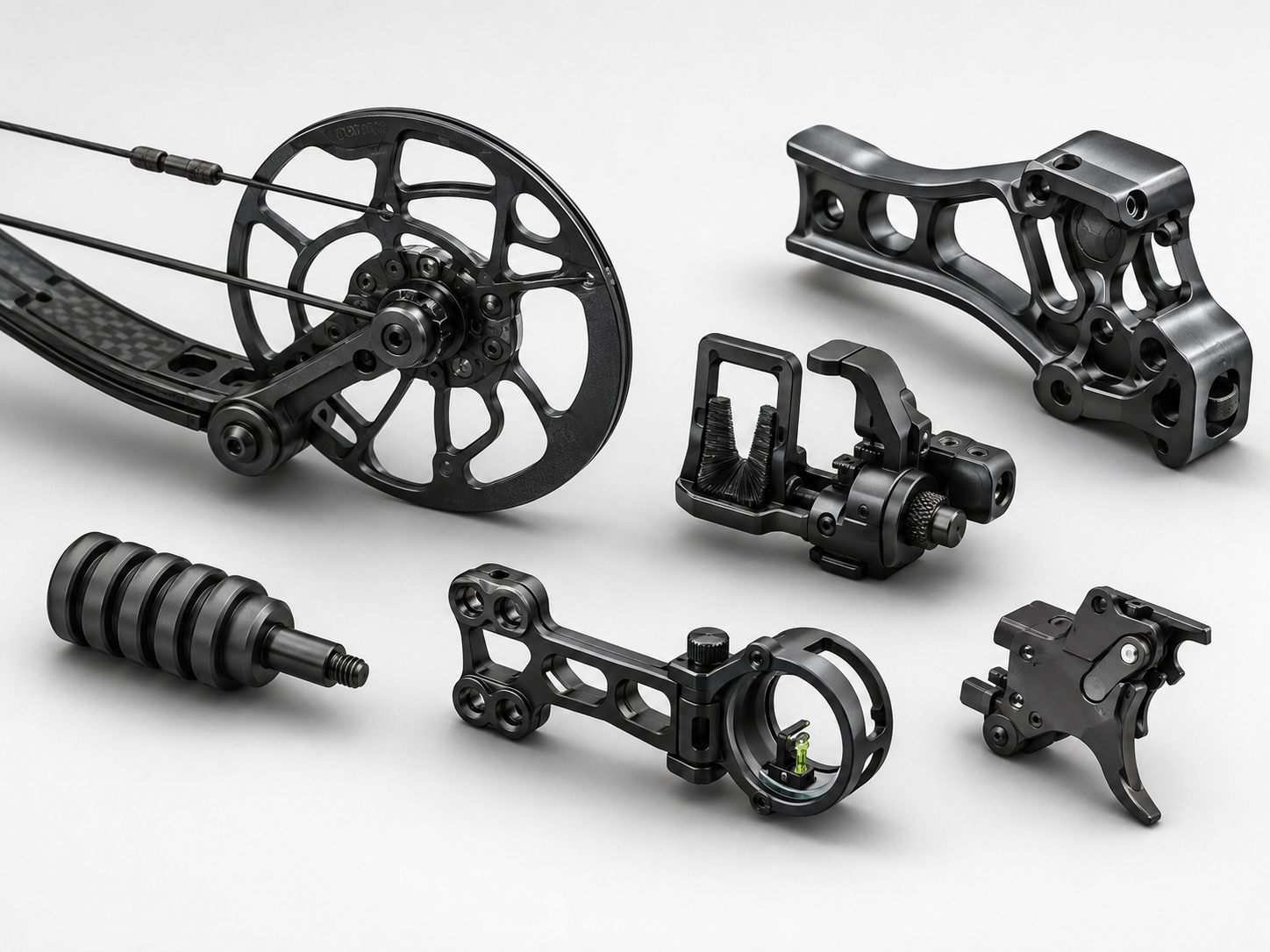
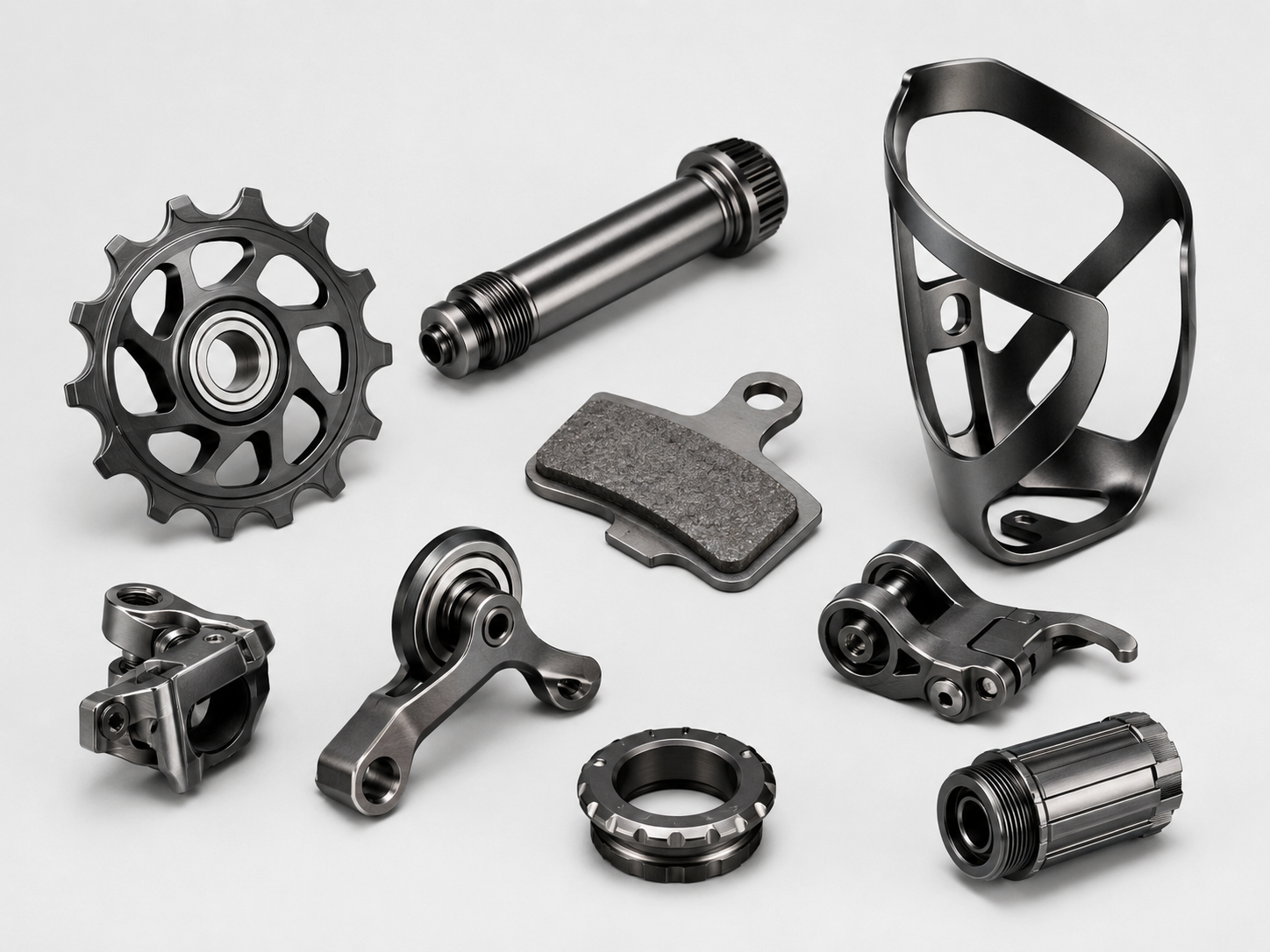
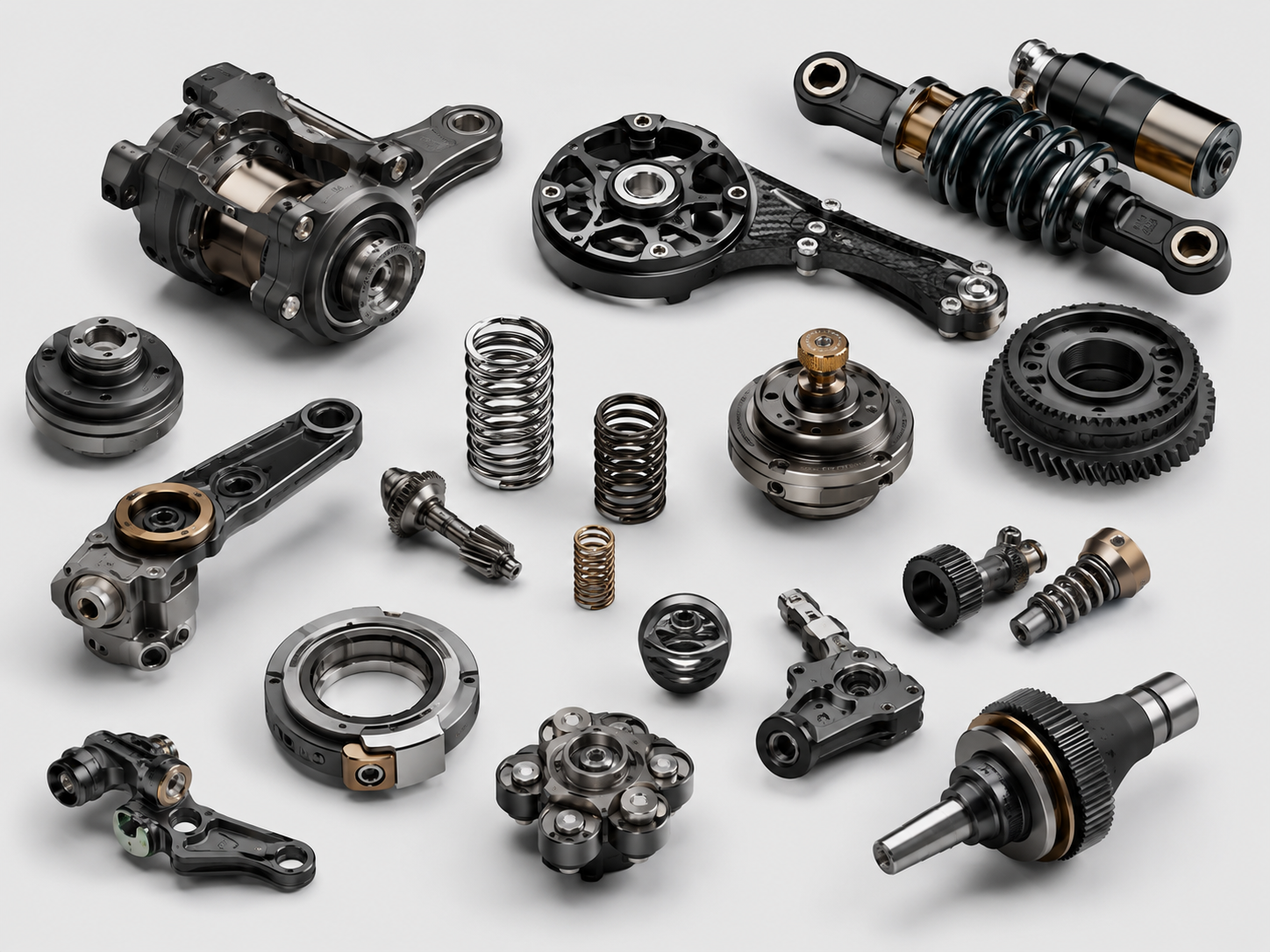
These concise answers help sports equipment engineers, designers and sourcing teams understand where amorphous alloys can create value in high-performance sporting applications.
Ask a Technical QuestionAmorphous alloys, also called metallic glasses, provide a unique combination of high elastic limit, high specific strength, hardness, wear resistance, corrosion resistance and near-net-shape forming capability. These properties help improve energy return, durability and structural performance in high-end sports components.
Potential applications include golf club faces and weights, tennis racket reinforcement parts, bow components, ice skate blades, ski edges, bicycle transmission components, fishing reel gears, outdoor equipment parts and other precision sporting components requiring high strength, wear resistance or complex structures.
Amorphous alloys are not a universal replacement for traditional materials. Material selection depends on component requirements, including weight targets, elastic performance, impact conditions, wear environment, manufacturing process and cost objectives. Amorphous Alloys evaluates each application based on engineering needs.
Selected amorphous alloy systems can achieve elastic strains of approximately 2%–2.5%, significantly higher than many conventional metals. This allows components such as club faces, springs and bow parts to store and release more mechanical energy during operation.
Yes. Their corrosion resistance and wear resistance make them suitable for components exposed to sweat, rain, seawater and repeated friction, including fishing equipment, outdoor tools, ski components and other long-life sporting products.
Yes. Amorphous Alloys supports application evaluation, material selection, structural optimization, mold development, precision forming, prototype validation, inspection and production planning for customized high-end sports components.
Recommended information includes component drawings or 3D models, target performance requirements, loading conditions, weight targets, surface requirements, production volume and quality expectations. These inputs help determine the most suitable amorphous alloy solution.
Share your component design, performance objectives, operating conditions, production requirements and quality expectations. Our engineering team can evaluate amorphous alloy suitability, process feasibility and support the transition from prototype development to stable production.